Cuba’s ration book still vital as shelves empty, shortages deepen
José Luis Amate López said his Havana bodega had almost no customers for nearly two weeks. Cuba’s libreta now covers only a fraction of the rice, milk, coffee and eggs families need.
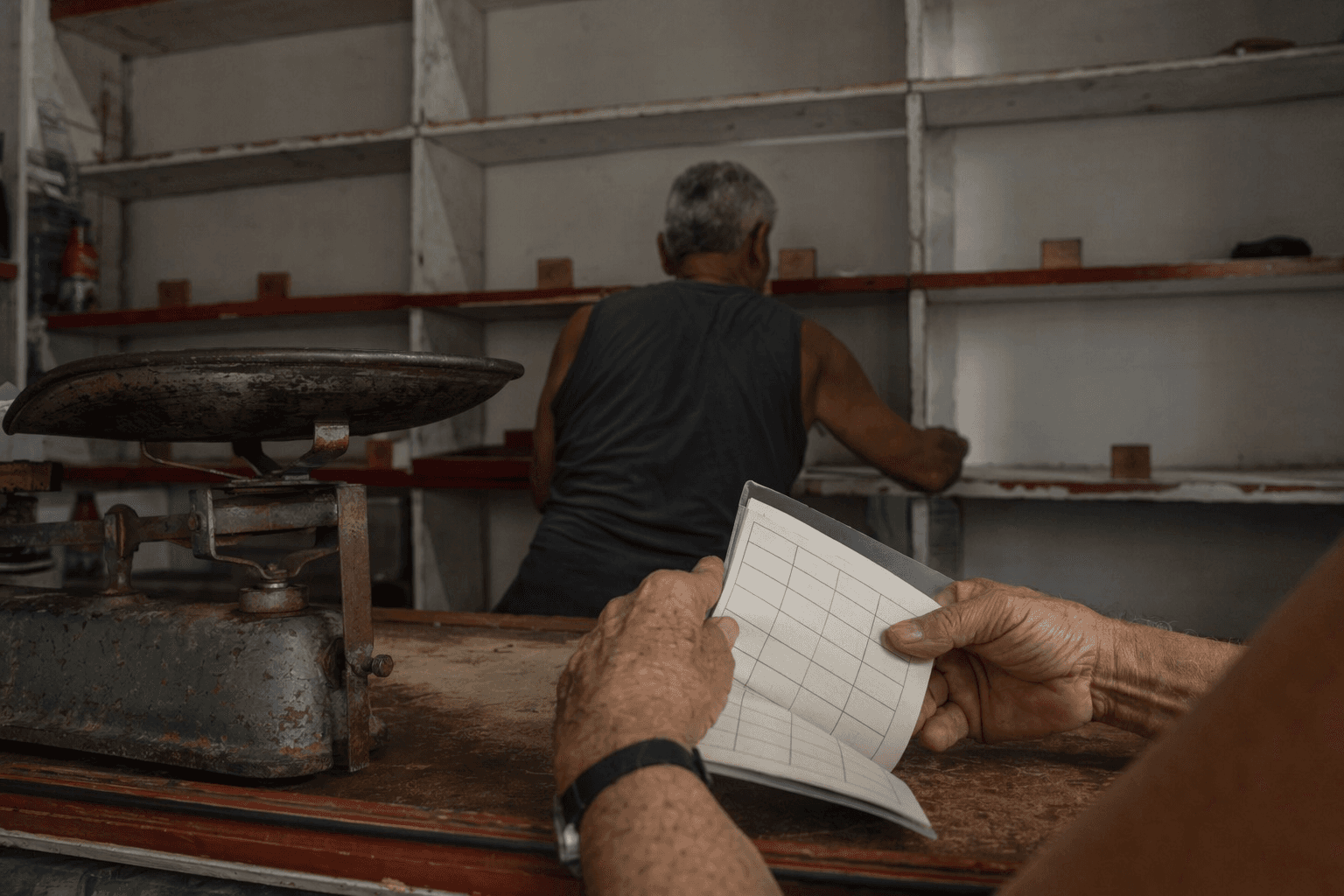
The little ration book in Cuban pockets has become a shrinking lifeline. In Central Havana, bodega worker José Luis Amate López said he had seen almost no customers for nearly two weeks, a stark sign of how empty shelves and unreliable deliveries have turned the libreta from a guarantee of basic food into a monthly reminder of scarcity.
For more than six decades, the libreta de abastecimiento has structured household survival. It was formally established in March 1962 under Law No. 1015, when the state promised a baseline of staples for every family. That promise still shapes daily life, but the basket has thinned so much that many Cubans now treat the ration book as only one piece of a much larger calculation: what the state will provide, what can be bought with cash, what can be bartered, and what must be sent from relatives abroad.
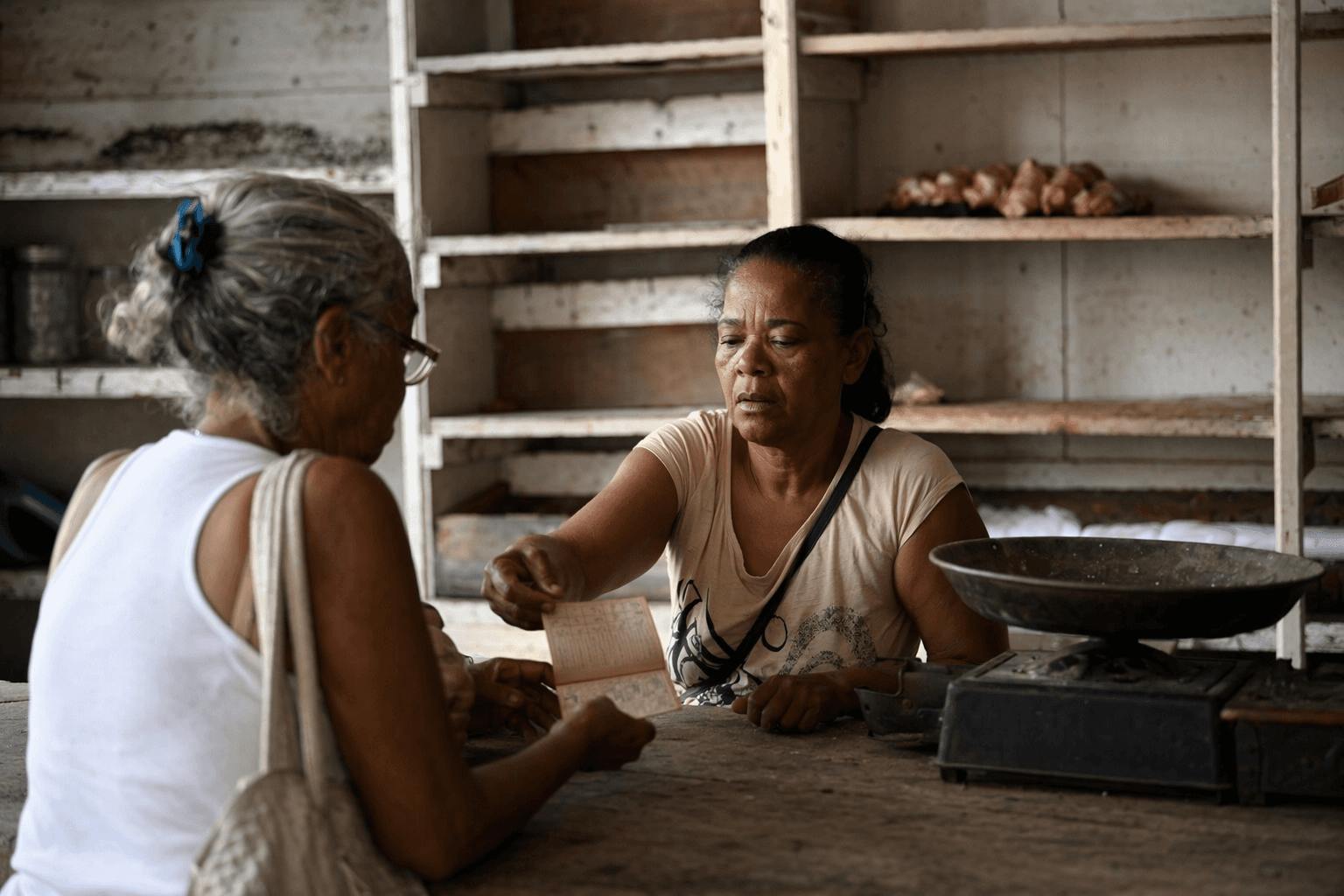
The gap is widening. The World Food Programme says Cuba faces growing difficulties for food security and nutrition, with limited access to foreign currency sharply reducing the availability of both domestic and imported food. It says the island depends heavily on food imports and has limited access to diverse, good-quality and safe foods. The agency also said Cuba’s economy contracted by 1.1 percent in 2024, while inflation, declining fiscal resources and fuel shortages continue to strain supply.
That pressure is visible in state-run stores and rationed sales. In March 2025, domestic trade minister Betsy Díaz Velázquez was reported to have acknowledged declining regulated sales and the state’s inability to guarantee basics such as rice, milk, coffee and eggs. Cuban officials have long spoken about replacing broad subsidies with more targeted assistance, but the ration book remains one of the few mechanisms still linking the state to the family kitchen, even as the basket it offers grows smaller and less reliable.
The erosion is also changing how people cope. Many families now depend on informal markets, private sellers or remittances just to fill the gaps left by the libreta. For Cubans who lived through the Special Period in the 1990s, the comparison is grim. Food Monitor Program has said the current crisis surpasses that era in intensity, depth and accumulated deterioration, while Human Rights Watch and Amnesty International have described a broader emergency marked by shortages of food, medicine and other essentials. In Havana and beyond, the ration book still matters because so little else is dependable.
This article was produced by Prism’s automated news system from verified source data, official records, and press releases, then run through automated quality and moderation checks before publishing. The system is built and supervised by the people who set the standards it runs under. Read our full AI policy.
Did this article answer your question?