Cuba’s transport collapse makes even short domestic trips nearly impossible
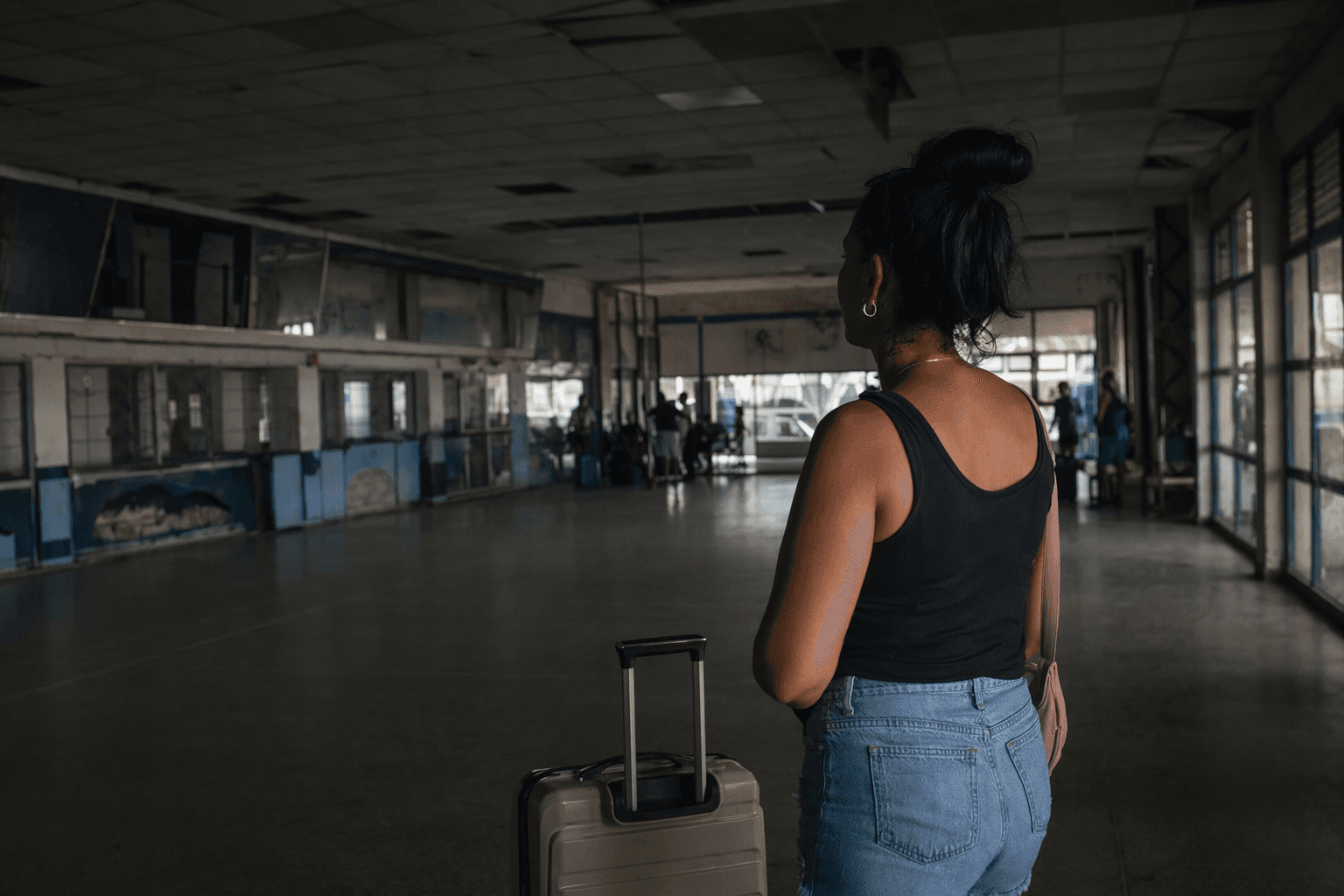
Lien Estrada went to Holguín’s terminal for a trip to Camagüey and found no buses, no lights, and no real way out.
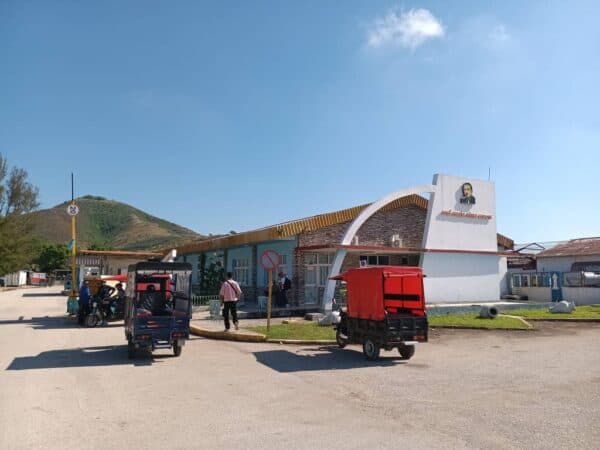
Lien Estrada set out for Camagüey from Holguín and hit the same wall that is trapping people all over Cuba: there was no reliable way to leave. At the usual terminal, she found an empty building in the dark after a blackout, with buses not departing and staff unable to offer anything close to a normal schedule. What should have been a short domestic trip turned into a lesson in how little control ordinary Cubans now have over movement inside the island.
Estrada wrote that it was extremely difficult just to get out of Holguín itself, a comparison that captured how internal travel has begun to feel like a form of confinement. That is not exaggeration. When the terminal has no power, the buses are gone, and ticketing no longer gives people a dependable answer, the distance between provinces becomes less like a road and more like a barrier. A trip to Camagüey stops being a simple errand and starts looking like a multi-day gamble.
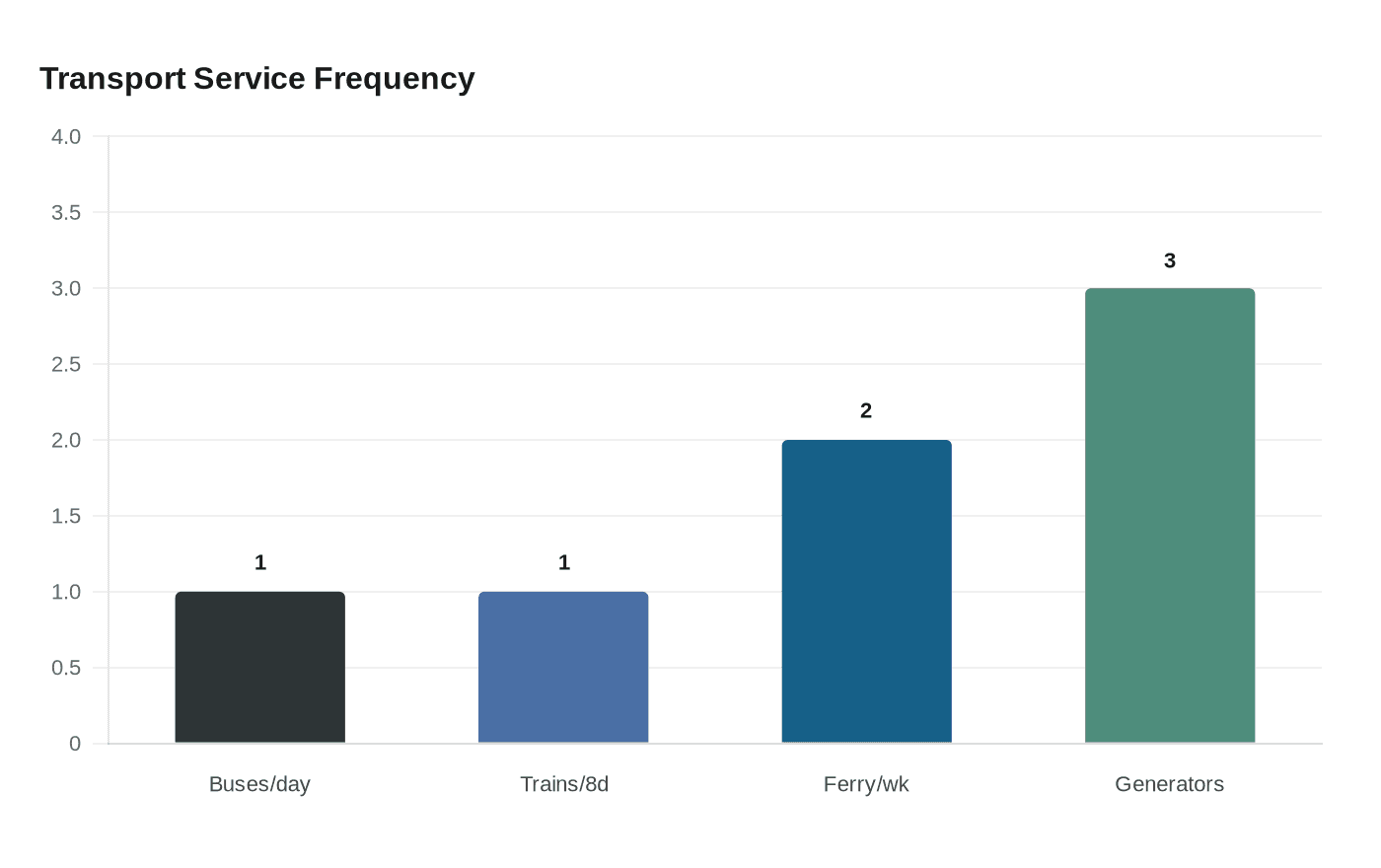
The transport system’s breakdown is no longer hidden. In March 2025, state reporting said only three national bus terminals had generators during a massive blackout, a stark sign that electricity failures can shut down interprovincial travel as easily as fuel shortages can. The transport minister, Eduardo Rodríguez Dávila, has publicly acknowledged the collapse of the sector and said 2024 was not the year the ministry expected. He also laid out how thin the system had become: national buses were running once a day, trains once every eight days, and the ferry to Isla de la Juventud only twice a week.
That makes the Holguín-Camagüey corridor especially revealing. On May 27, 2025, the Holguín-Havana passenger train derailed near Camagüey, leaving 18 people with minor injuries. It was a reminder that the same routes people depend on for work, family visits, medical appointments, and business travel are already operating under constant strain. When a train line or bus terminal fails, there is usually no easy backup.
The wider energy crisis has only made the problem worse. Cuba has endured repeated nationwide blackouts and chronic daily outages, and those power cuts hit transport first: terminals go dark, communications fail, schedules collapse, and stations stop functioning. Fuel shortages and labor shortages have added another layer of friction, turning even routine domestic movement into an ordeal.
Estrada’s failed trip was not a travel anecdote. It showed how Cuba’s transport collapse shrinks the island’s geography in real time, leaving families farther apart, work harder to reach, and a province-to-province journey nearly impossible to trust.
This article was produced by Prism’s automated news system from verified source data, official records, and press releases, then run through automated quality and moderation checks before publishing. The system is built and supervised by the people who set the standards it runs under. Read our full AI policy.
Did this article answer your question?