Cubans in Spain face bottlenecks in legalization, appointments sold online
Cuban migrants in Spain were stuck at the Havana consulate, where criminal-record legalization delays, blackouts and resale of appointments threatened June legalization deadlines.

The bottleneck was not in Spain’s immigration offices. It was at the Spanish consulate in Havana, where Cubans trying to legalize criminal-record paperwork for residency found the process slowed by missing appointments, power cuts and a backlog that could push them past Spain’s June 30 regularization deadline.
For many applicants, the Havana consulate was the mandatory step because Cuban documents are not covered by the Hague Convention. That meant every file had to pass through Cuba’s own paperwork chain and then through the Spanish consular system, a route immigration expert Mario Dueñas said could take at least four months. With Spain’s extraordinary regularization open from April to June 30, the delay was turning into a race against the calendar.
The pressure showed up in the appointment market. Cubans interviewed for the report said slots were being sold by intermediaries online, with prices ranging from about 200 to 500 euros, and in some cases 300 to 500 euros. The shortage had already created a familiar shadow economy: in May 2025, intermediaries were reported charging up to 500 euros for a free Spanish-embassy appointment, and Facua denounced the resale of consular slots.
The consulate tried to ease the squeeze in February by raising legalization appointments 35 percent, from 1,000 to 1,350 a week. Even so, the queue remained long enough that people said they were still waiting months for basic criminal-record papers. In March, the consulate said it would keep scheduled appointments going despite Cuba’s nationwide electricity outages, after repeated grid collapses including the blackout of March 16, 2026.
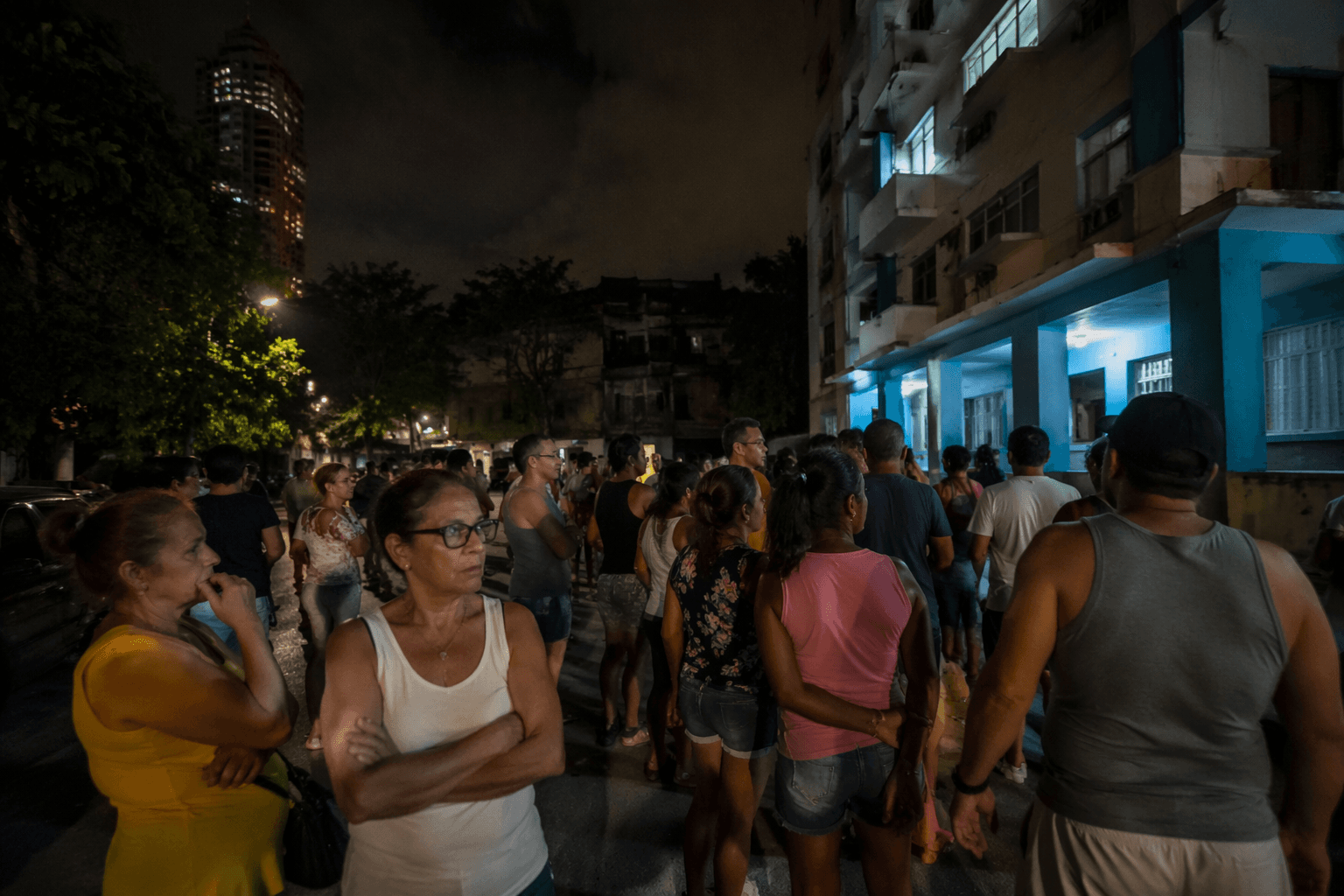
That blackout problem hit directly at the paperwork chain in Cuba. Offices that depend on electricity and internet access could lose hours, and sometimes whole days, just when applicants needed documents processed and legalized in sequence. Bladimir Navarro, the priest behind Proyecto Cobijo, described the situation as a mix of inefficiency, prolonged blackouts and opportunists cashing in on the scarcity of appointments, warning that many people feared their papers would not arrive in time to stay legal.
The human cost was plain in the cases described. Luis Ángel said he had spent months waiting for documents even though he had already been in Spain for more than a year and had worked in care, gardening and construction. David said he had secured his documents through a company that handles paperwork, only to see the process stall at the consulate. For both men, the problem was not a formality; it threatened residence, work authorization and family stability.
The stakes were especially high because Spain’s regularization was expected to benefit roughly 500,000 undocumented migrants already in the country, while the Cuban community in Spain had reached about 287,490 registered people by the end of 2025, after more than 35,200 Cuban arrivals that year. As the June 30 window kept shrinking, the Havana consulate remained the choke point, and every missed appointment risked turning a legalization file into an overstay.
This article was produced by Prism’s automated news system from verified source data, official records, and press releases, then run through automated quality and moderation checks before publishing. The system is built and supervised by the people who set the standards it runs under. Read our full AI policy.
Know something we missed? Have a correction or additional information?
Submit a Tip