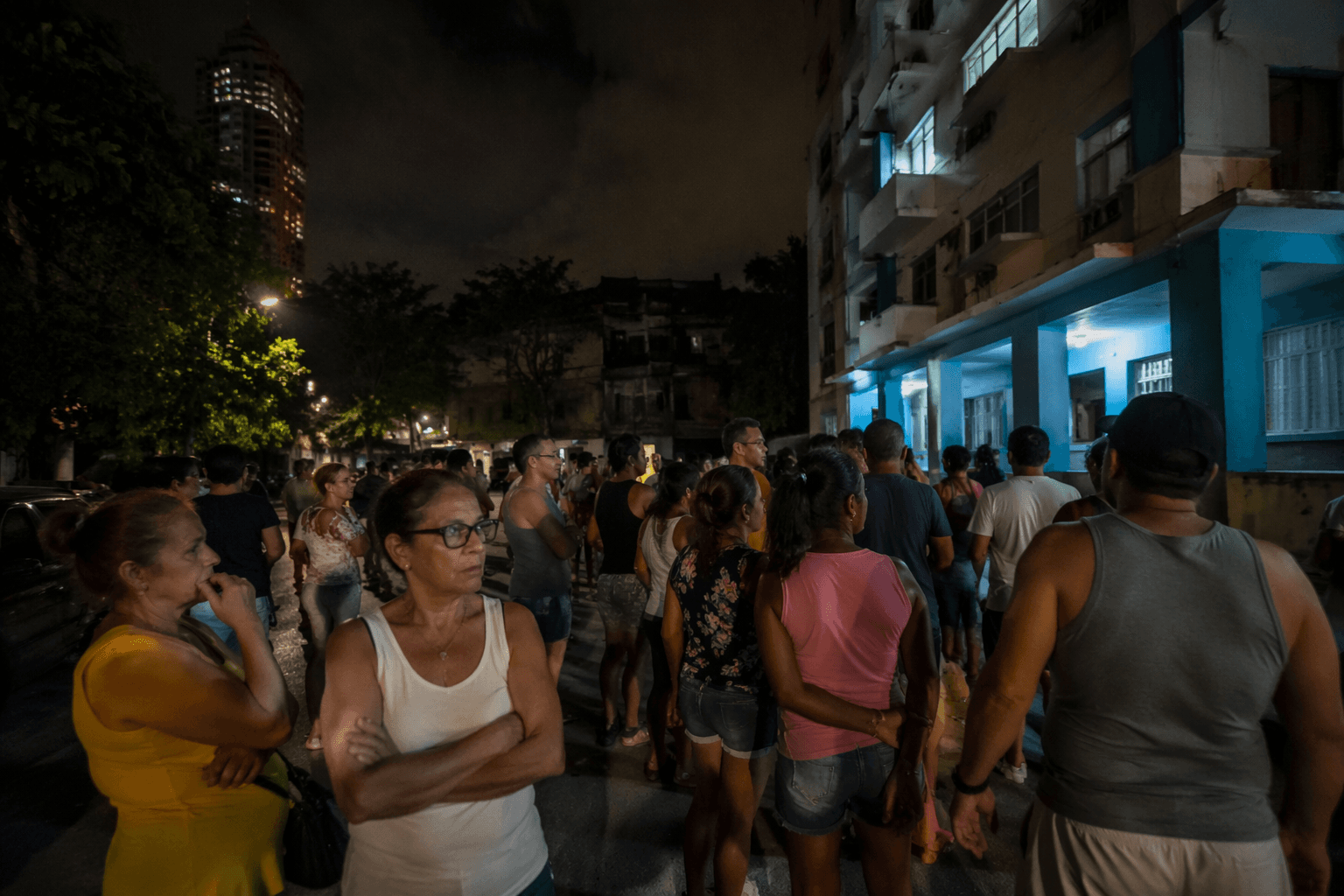
Cuba’s 1990s crisis generation raises children in a deeper collapse
Cuba’s parents are raising children through shortages, blackouts, and school loss that feel harsher than the 1990s. The old crisis at least had a ration book and functioning services.
What the children are really saying
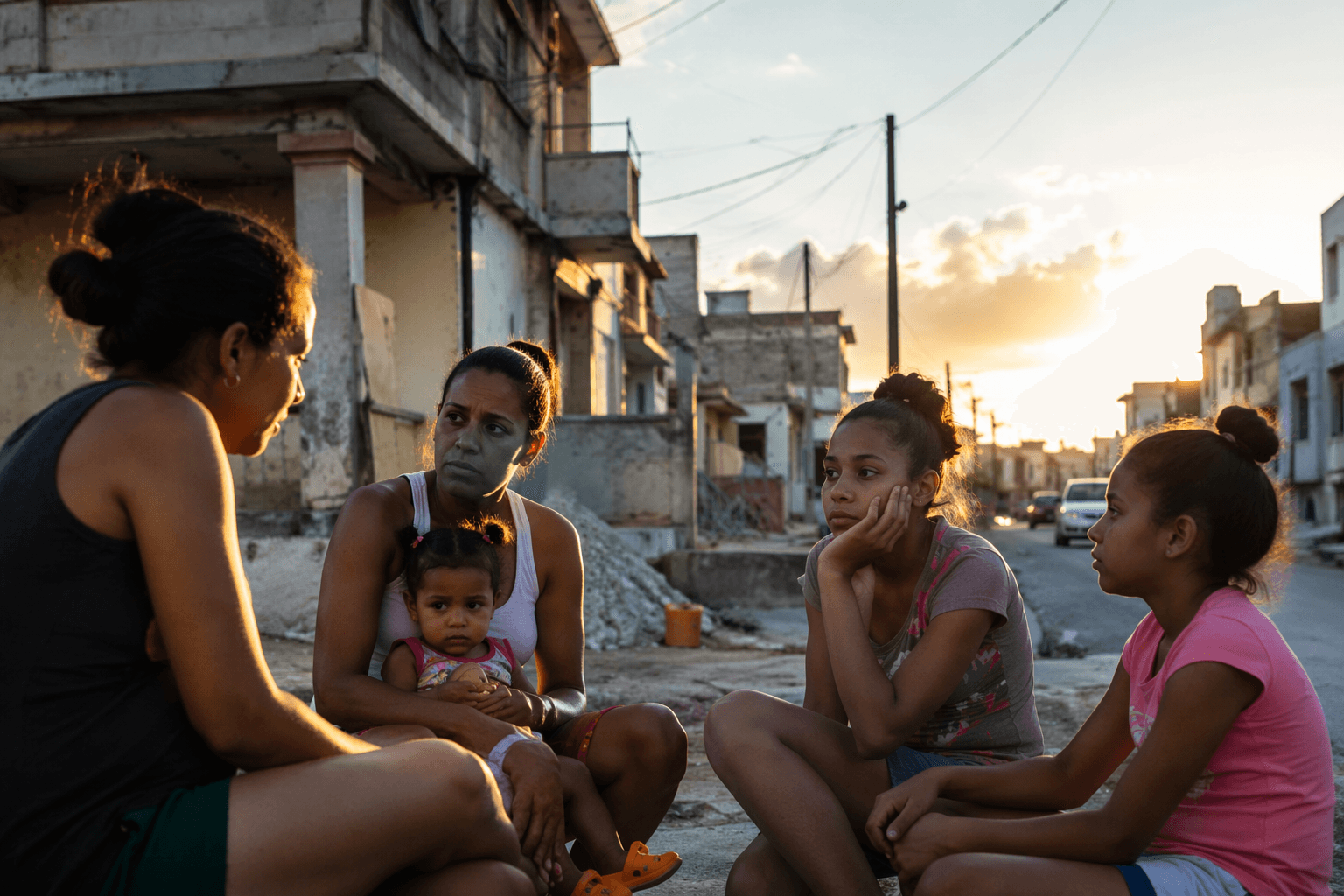
“I never had a childhood,” a teenage daughter tells Yanetsy Leon Gonzalez, and the line lands like a verdict. Leon, who also grew up through the 1990s Special Period, cannot honestly pretend her own childhood was comparable to what her daughter is living through now. That is the hard truth in Cuba’s newest family crisis: the generation that learned to endure ration lines, thin meals, and blackouts is now trying to raise children in a collapse that has stripped away even the old buffers.
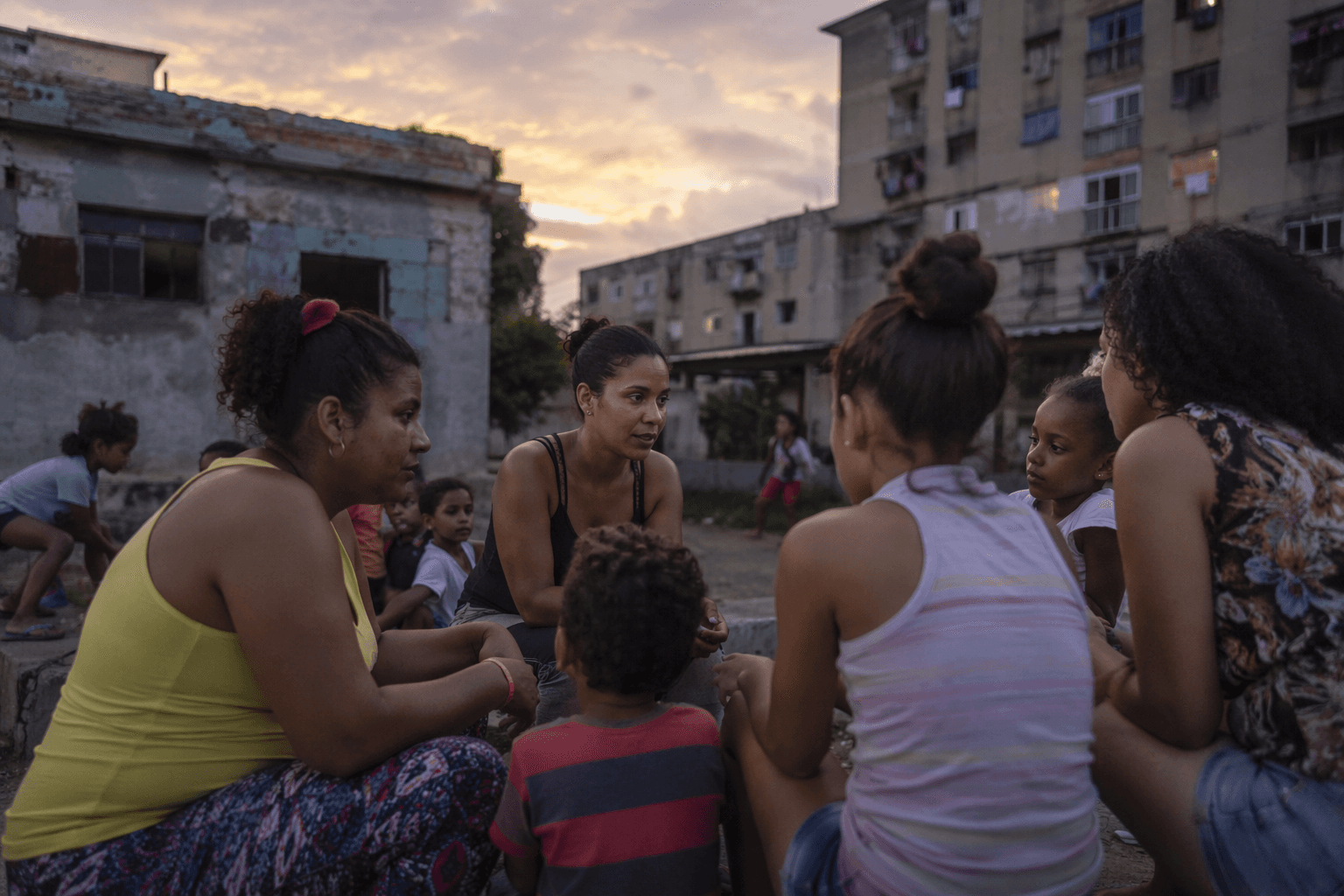
The comparison to the Special Period matters, but not because people want to relive the 1990s. It matters because older Cubans remember a state that was damaged and poor, yet still had a ration system, more predictable food deliveries, and schools and hospitals that, for all their limits, kept much of their staffing. The present crisis is different because the social guarantees that once made hardship manageable are thinner, more unreliable, and in many places gone.
The libreta is no longer enough
The ration book, or libreta, used to be the island’s baseline promise. By late April 2026, state stores in Havana were often down to rice, sugar, and split chickpeas, and Associated Press reported in May that Cubans were increasingly unable to survive on ration-book goods alone. That is not a temporary inconvenience. It is the collapse of a system people once counted on to make famine-level scarcity at least partially legible.
What makes this moment harsher is that families are not just counting calories. They are counting decisions: whether to have another child, whether to skip essentials for this month, whether to lean harder on relatives abroad, whether to keep pretending patience will pay off. In the old crisis, the state still offered enough structure to make sacrifice feel like a bridge to somewhere better. Now many parents feel they are asking children to live inside the bridge itself.
When education stops paying back
One mother from Camagüey puts it bluntly: there is no point romanticizing the 1990s because those years were brutal, but at least there was still hope that things would improve. Her sharper complaint is about status, and it is one many Cuban parents will recognize immediately. Children now see professionals struggling to make ends meet while people with little education, and even criminals, drive luxury pickup trucks.
That is why the story of the physical-therapy graduate hits so hard. She left her profession for a better-paying private-sector job, and her son now throws that choice back at her when she pushes him to study. In one exchange, the old social contract falls apart: education no longer reliably leads to dignity, and work no longer guarantees a decent life. Parents are left defending the idea that school still matters, even when the labor market says otherwise.
School is missing the adults
The education system is not just under strain in theory, it is short on bodies. At the start of the 2024-2025 school year, Cuba had roughly 1.6 million students and about 24,000 teacher vacancies, with 12.5% of teaching posts unfilled. The shortages were especially acute in secondary and pre-university education, the very stages where the country is supposed to convert childhood into mobility.
That is where the crisis becomes generational. Teachers leave for emigration, for private work, or simply because the public salary no longer makes sense. The result is a school system that still exists on paper but cannot always deliver the daily discipline, attention, and continuity that parents depend on when they tell children to keep studying.
Blackouts, disease, and the shrinking of normal life
UNICEF’s 2024 Cuba report makes clear that this is not one problem but a stack of them: a decade of low growth, U.S. sanctions since 2021, COVID-19 fallout, and global food and commodity price shocks all fed into the squeeze. UNICEF also reported three nationwide blackouts between October and December 2024, along with recurring power cuts that hit health services, education, water supply, and food distribution. In a country already running short of food and fuel, the lights going out repeatedly turns every routine task into a logistical problem.
UNICEF’s child nutrition analysis pushed the picture further. Cuba appeared in the agency’s child food-poverty report for the first time, and independent reporting on that work said 9% of Cuban children suffered severe food poverty while 33% of children under five faced moderate poverty. That is the kind of statistic parents do not need explained to them, because they live it in the lunchbox, the dinner table, and the child who goes to bed hungry after another long cut in service.
A health system under siege
The Pan American Health Organization says Cuba is facing an unprecedented crisis shaped by converging disasters, an energy emergency, shortages, and the migration of healthcare personnel. It is a blunt description, but it fits the daily reality: a system with fewer supplies, fewer staff, and more patients than it can comfortably absorb. PAHO also reported 23,639 suspected Oropouche cases and 626 confirmed cases as of January 30, 2025, including neurological complications.
That kind of pressure does not stay inside hospitals. It bleeds into classrooms, kitchens, and workplaces because illness on this island is never just a medical event. It is a transport problem, a food problem, a power problem, and increasingly a family problem.
Disaster piled on disaster
Late 2024 was especially punishing. UNICEF says Cuba suffered three nationwide blackouts in that period, and then nature piled on with hurricanes and earthquakes in quick succession. Hurricane Oscar alone affected nearly half a million people in eastern Cuba, damaged schools, health facilities, electricity and water infrastructure, and food crops, and left 150,000 people with severe damage.
The response was real but limited. The Central Emergency Response Fund allocated $3.5 million on October 30, 2024, and said assistance reached 149,693 people. That kind of aid helps people survive the immediate shock, but it does not rebuild the conditions families need to parent with confidence, or keep a child convinced that tomorrow will look better than today.
The economy keeps tightening the vise
The broader economy is still contracting, and that is what turns every shortage into a pattern instead of a glitch. ECLAC estimated that Cuba’s economy contracted in 2024 and remained in recession in 2025, while its 2025 profile said GDP was still shrinking and agricultural production had fallen sharply. One Columbia economic analysis described the country as operating in permanent emergency mode, and that phrase fits because the crisis is no longer a spike. It is the climate.
That climate is exactly why the comparison with the 1990s cannot be sentimental. Research on the Special Period found average body-weight loss of 5% to 25% during the worst years, and one medical paper documented more than 50,000 cases of epidemic optic and peripheral neuropathy from 1991 to 1993. Cubans who lived through that era know what hunger can do. What frightens them now is that the old crisis still had a ration book, a functioning school system, and enough state capacity to suggest recovery. This time, when a teenager says she never had a childhood, the parents answering her have to explain not just what was lost, but why the next generation is being asked to live with less than they did.
This article was produced by Prism’s automated news system from verified source data, official records, and press releases, then run through automated quality and moderation checks before publishing. The system is built and supervised by the people who set the standards it runs under. Read our full AI policy.
Know something we missed? Have a correction or additional information?
Submit a Tip