Cuba’s air routes shrink as fuel crisis and tourism slump deepen
Cuba still had 20 airlines in June, but Varadero was down to one U.S. carrier and two resort airports had no international flights at all.
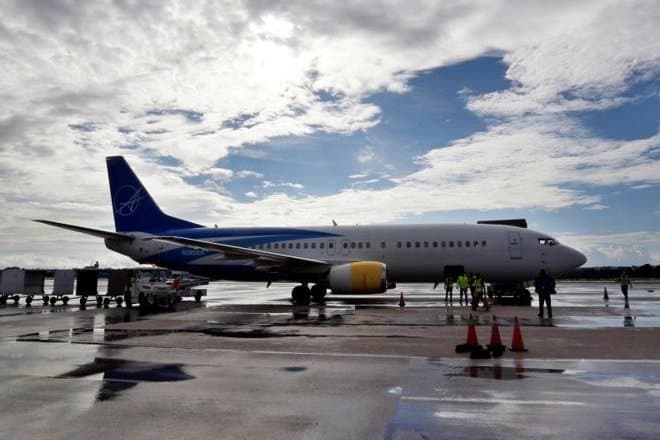
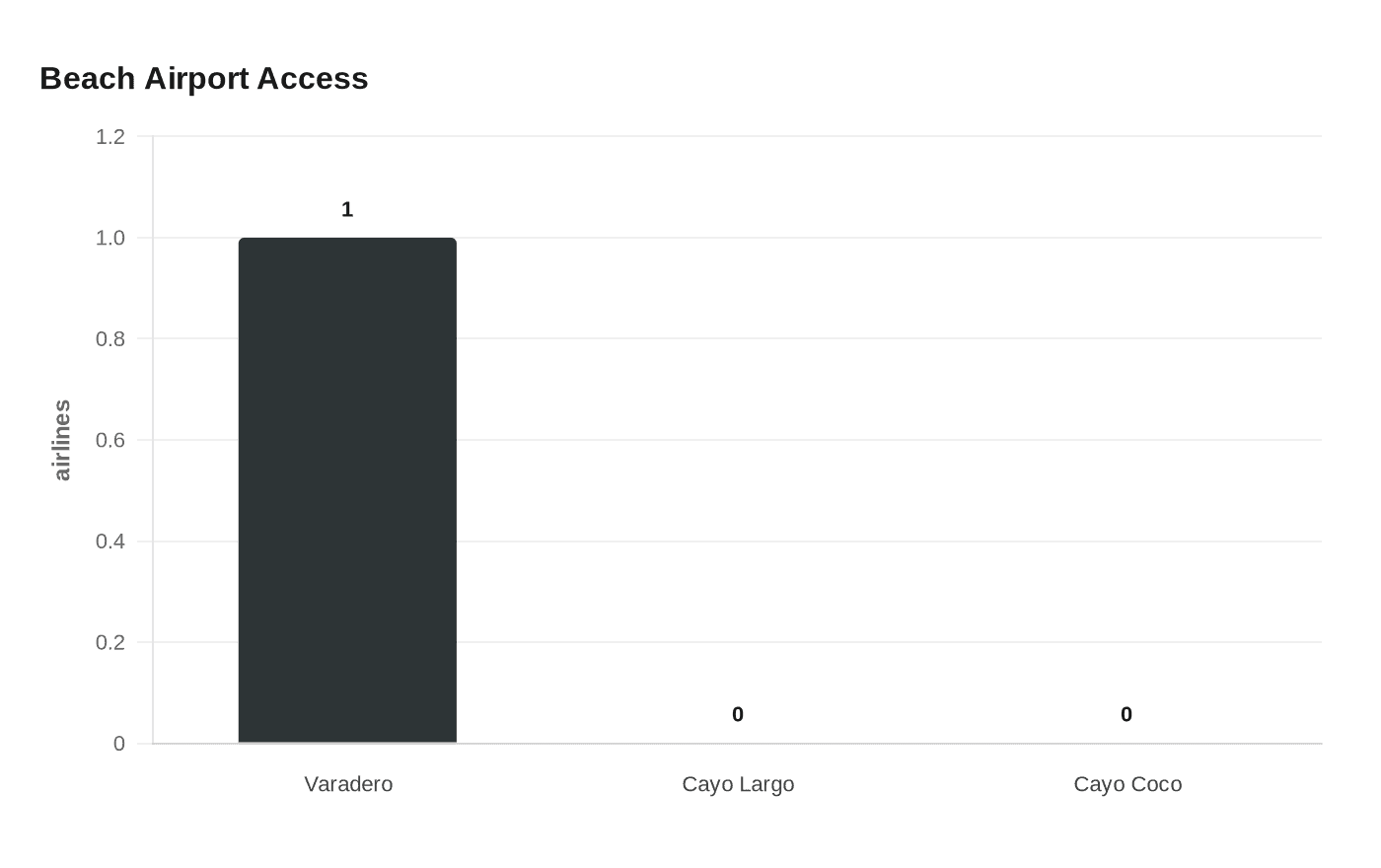
Cuba’s air map had narrowed fast by June, even though 20 international airlines were still operating in and out of the island. Havana remained the main gateway, but the damage showed up where travelers feel it most: Varadero, the flagship beach market, had only American Airlines in June, while Cayo Largo and Cayo Coco had no international flights registered at all.
That squeeze was rooted in the Jet A-1 fuel crisis that hit nine international airports after Cuba’s February aviation notice said fuel would not be available from February 10 through at least March 11. The affected airports included Havana, Varadero, Santa Clara, Holguín, Santiago de Cuba, Camagüey, Cienfuegos, Cayo Coco and Manzanillo. Airlines were pushed toward carrying extra fuel, making technical stopovers or cutting flights outright, and that pressure kept showing up in the route map well into June.
American Airlines had become the biggest carrier on the island, with multiple daily Miami-Havana flights and service to several provincial airports. That made Miami the most reliable bridge into Cuba’s strained network, especially for travelers who can still reach the island but no longer have the same choice of beach-airport nonstop options. On the other side of the Atlantic, Air Europa remained the only Spanish airline still flying directly to Cuba, after Iberia temporarily suspended its Madrid-Havana route.
The broader market told the same story. Canadian airlines delayed returns or paused sales for months, and Russian operators suspended regular operations. With fewer European and Canadian options, Cuba’s air access has become more dependent on a handful of U.S. and regional connections, which leaves the island more exposed when demand dips or fuel tightens again.
The collapse in tourism helps explain why the network has thinned so sharply. Cuba received 328,608 international visitors in the first four months of 2026, down 55.8% from the same period in 2025. April alone brought just 30,551 visitors. Canada was still Cuba’s largest source market, but arrivals from there fell 63.8% year over year to 125,444. The result is a stripped-down route map with Havana holding the system together, while resort airports that once carried far more of the load are now the first places to go quiet.
This article was produced by Prism’s automated news system from verified source data, official records, and press releases, then run through automated quality and moderation checks before publishing. The system is built and supervised by the people who set the standards it runs under. Read our full AI policy.
Know something we missed? Have a correction or additional information?
Submit a Tip