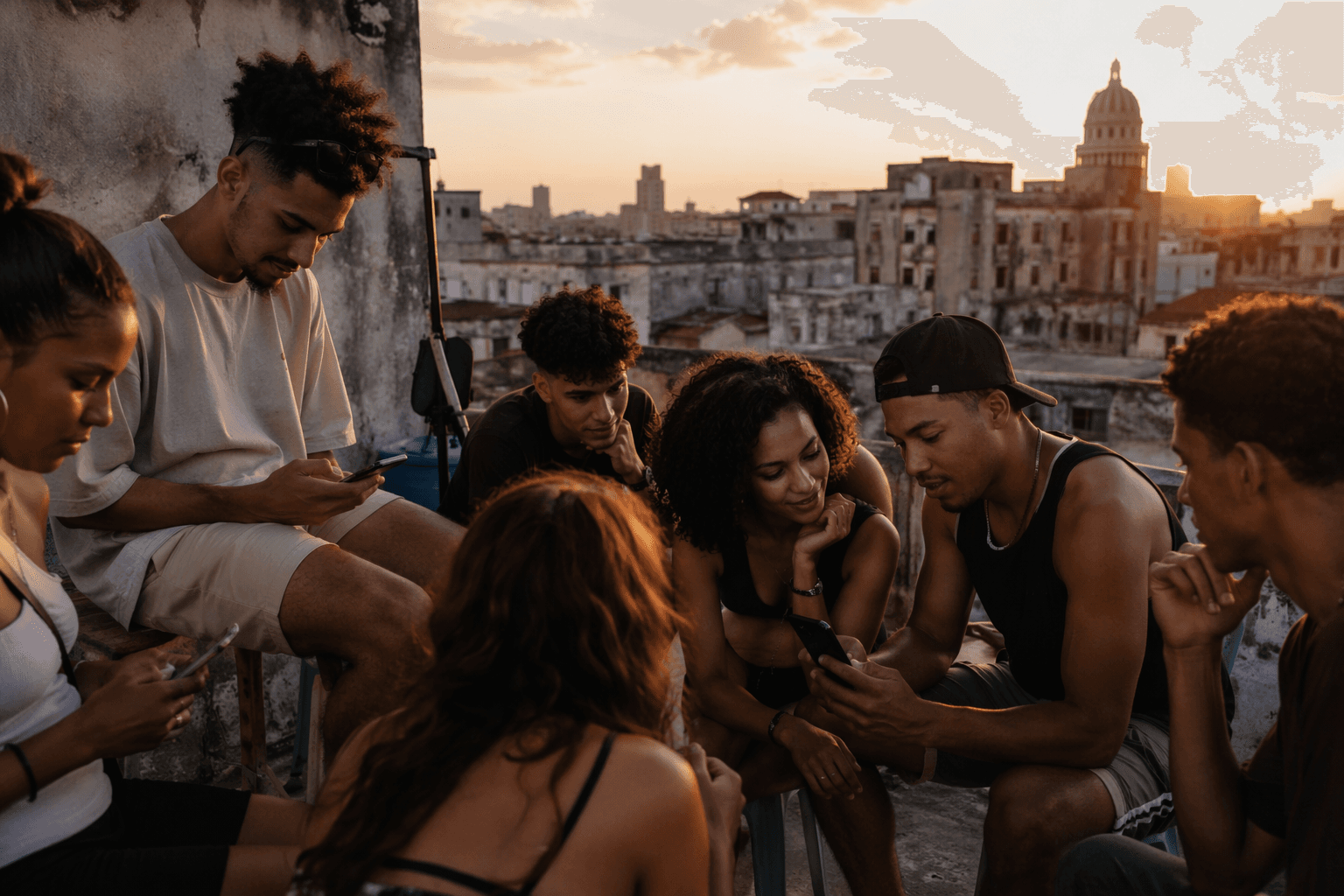
Cuba’s doctors abroad, U.S. force at home, solidarity forgotten
Cuba’s crisis is real, but so is its medical diplomacy: 605,000 health workers abroad, while Washington answers with sanctions and a military posture in the Caribbean.
Cuba’s doctors abroad, U.S. force at home, solidarity forgotten
The argument behind the headline
Cuba is being talked about as a country in free fall, but that picture leaves out one of the island’s most defining exports: people. For more than 60 years, Cuba has sent doctors, nurses, technicians, and disaster teams abroad, building a reputation for medical solidarity that has reached far beyond its size.
That history matters now because the United States is responding to Cuba through pressure and security framing, not relief. The result is a debate that treats the island mainly as a target to be contained, even as Cuban health cooperation remains one of the clearest ways the country has shaped life across the Global South.
What Cuba has actually sent into the world
Cuba’s first medical brigade left for Algeria on May 23, 1963, with 58 healthcare professionals. That mission became the starting point for a system that official Cuban sources say has since deployed more than 605,000 health professionals and technicians to 165 countries over six decades.
The scale is not just historical. Cuba’s foreign ministry says current medical cooperation includes 57 brigades with 22,632 collaborators in 57 countries. Independent review articles also say more than 50,000 Cuban health professionals are working overseas in at least 67 countries, and a 2008 academic article reported that Cuba had more medical personnel working abroad than all of the G-8 countries combined.
That is why Cuba’s medical diplomacy still carries political weight. It is not a side project or a slogan. It is part of how the island has built influence, earned gratitude, and projected itself as something more than a small, sanctioned state.
Why the blackout changed the story but not the facts
The latest round of attention came when much of Cuba lost power, including Havana, and millions were left in the dark. Reuters reported in March 2026 that the outage hit most of the island amid curtailed oil shipments and pressure from the Trump administration. That same month, the wider economic strain was impossible to miss: fuel shortages, blackouts, and a battered daily life that made the crisis visible in homes, hospitals, and transport.
That is real suffering, and it should not be minimized. But the question raised by Cuba’s defenders is sharper: does hardship at home erase the record of what Cuba has done for others?
The answer, if the numbers are taken seriously, is no. The island’s health missions have helped define its international identity, and they have also brought in foreign currency that supports the health system. That creates a painful contradiction. Cuba’s social model depends on the very outward-looking medical diplomacy that critics often ignore when they describe the country as a purely failed state.

Washington’s security-first lens
The U.S. response has been framed less as humanitarian concern than as leverage. In April 2026, U.S. Southern Command said American military forces were deployed to the Caribbean for operations tied to disrupting illicit drug trafficking and protecting the homeland. That broader regional posture, paired with the language of pressure around Cuba, helps explain why the current debate feels so hard-edged.
The article’s comparison between doctors and a destroyer is not just rhetorical flourish. It captures two very different instincts: Cuba’s long tradition of sending health workers outward, and Washington’s habit of treating the region through force, deterrence, and strategic messaging. In practical terms, that means one side is remembered for clinics and brigades, while the other is seen through ships, sanctions, and command structures.
The point is not that security concerns are invented. It is that security has become the dominant lens, even when the humanitarian record should matter just as much.
Trump-era pressure and the prison release
The pressure campaign is not abstract. The Associated Press reported in April 2026 that the Cuban government said it would release 2,010 prisoners while the Trump administration intensified pressure on the island. That detail is important because it shows how the confrontation is playing out not only in trade and fuel policy, but in domestic political strain.
Recent coverage has tied that pressure to oil-related restrictions and broader sanctions. In that setting, Cuba is being pushed to absorb economic pain while Washington frames the problem largely as one of coercion and regime change. The language matters because it shapes what the public notices. If Cuba is seen only as a collapsing communist state, then its record of sending physicians, responding to outbreaks, and participating in regional health cooperation disappears from view.
Why the solidarity story still matters
Cuba’s medical internationalism has always carried moral and political meaning. It is one of the reasons many governments and communities in Latin America, Africa, and beyond react strongly to U.S. policy toward the island. They do not see only sanctions and shortages. They see a country that, for decades, exported care while enduring scarcity at home.
That is the central contradiction this moment exposes. Cuba’s economy is strained, its power grid is fragile, and its public mood is under pressure. Yet its international health record remains unusually large for a country of its size. It has sent 605,000 health professionals and technicians to 165 countries, created dozens of active brigades, and left a footprint that independent scholarship has repeatedly found to be outsized compared with wealthier powers.
A fair reading of Cuba today has to hold both truths at once: the island is hurting, and its humanitarian reach has been real. If that balance is lost, the debate stops being about Cuba and becomes only about punishing Cuba. That is a much smaller story than the one the island’s doctors have been writing for six decades.
This article was produced by Prism’s automated news system from verified source data, official records, and press releases, then run through automated quality and moderation checks before publishing. The system is built and supervised by the people who set the standards it runs under. Read our full AI policy.
Did this article answer your question?