Cuba’s elderly turn to churches, charity as crisis deepens
Elderly Cubans filled a church hall in Old Havana for one of the few meals they could count on. Carmen Casado’s 2,000-peso pension, worth about $4, could not cover food or medicine.

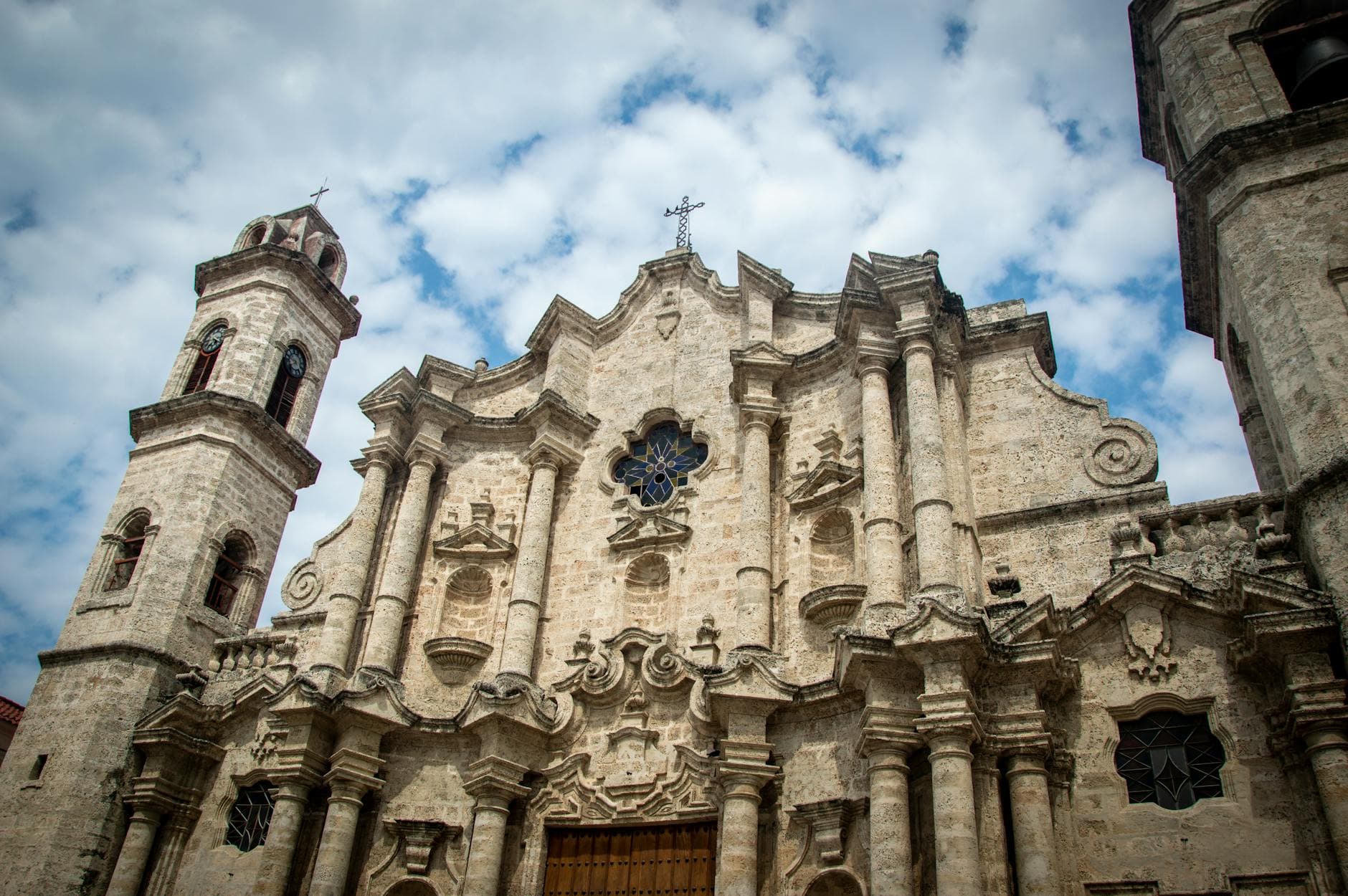
At the Church of the Holy Spirit in Old Havana, elderly Cubans gathered three times a week for a meal that had become less a kindness than a survival routine: ground meat, rice, red beans, crackers topped with mayonnaise, and strong Cuban coffee. The line inside the church captured how deeply Cuba’s crisis had reached into daily life. For many of the island’s oldest residents, the meal filled gaps that state pensions and ration books no longer could.
Carmen Casado, 84, stood out among them as a retired chemical engineer who lived alone, had no children, and received no remittances from relatives abroad. Her monthly pension was 2,000 Cuban pesos, about $4 at the informal exchange rate used by ordinary Cubans. Casado said the church meals were a lifeline because the free rations available from state-run stores were not enough. For her, and for many like her, the question was no longer how to stretch a budget, but how to get through the day.
The people leaning on church meals in Havana were not outsiders to the Cuban system. Many had spent their working lives in the state sector as teachers, doctors, nurses, custodians, technicians, or lawyers. Now they were selling cigarettes on the street, queuing for bread, or depending on informal help from neighbors, churches, and charities. Their vulnerability deepened as younger Cubans left the island, taking with them the family support that once helped cushion old age. These elders had lived through the revolution, the Bay of Pigs, the Missile Crisis, the Soviet collapse, and the Obama thaw, only to find themselves in a new round of scarcity marked by empty shelves and unreliable meals.
Cuba’s demographic reality made the strain sharper. World Bank data showed that people ages 65 and over made up about 18% of the population in 2024, while ECLAC-linked reporting said Cuba had more than two million people over 60, roughly 19% of the country, making it Latin America’s oldest population. A census planned for 2024 was postponed, leaving fresh population data uncertain even as the island’s older residents became increasingly visible in ration lines and charity kitchens.
The government approved a partial pension increase in 2025, with payments taking effect in August and September, and officials said it would benefit more than 1.5 million people, including old-age, disability, and survivor pensioners. But even after the increase, many retirees still said the money fell far short of basic needs. In February 2026, the United Nations Human Rights Office warned that Cuba’s deepening socio-economic crisis, worsened by restrictions on oil shipments, was threatening food, health, and water systems across the country. In Havana, that warning was already visible at the church table.
This article was produced by Prism’s automated news system from verified source data, official records, and press releases, then run through automated quality and moderation checks before publishing. The system is built and supervised by the people who set the standards it runs under. Read our full AI policy.
Did this article answer your question?