Cuba’s fuel crisis deepens into a water shortage for millions
Fuel shortages have left nearly 3 million Cubans without reliable water, turning blackouts into a daily household emergency. Havana residents are hauling containers while pumps run on just 37% of needed fuel.
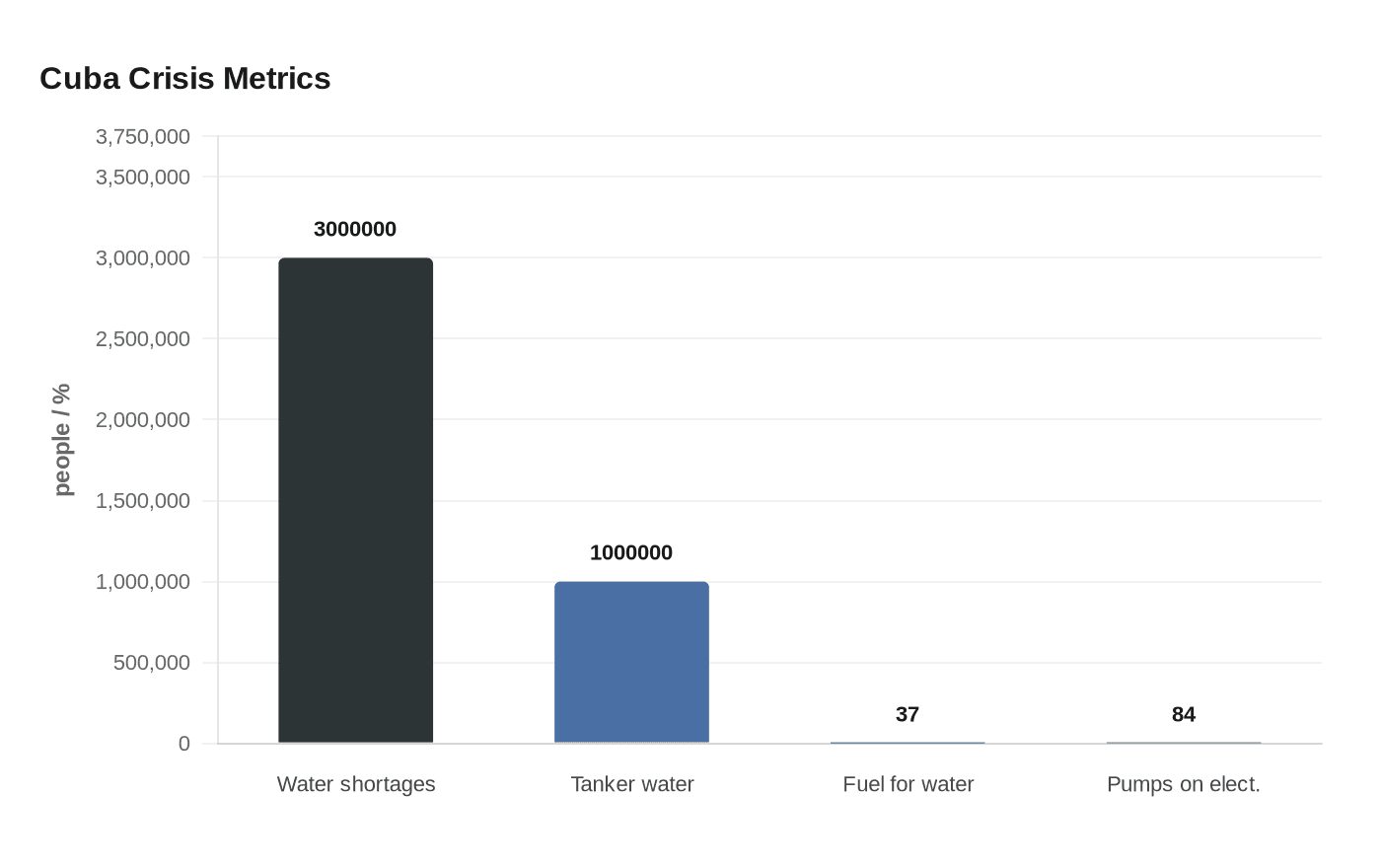
Cuba’s fuel crisis has moved from the power grid into the kitchen, the bathroom and the street. Cuban officials said nearly 3 million people were dealing with water shortages every day because the island did not have enough fuel to keep pumping, transport and distribution systems working. The water network, already strained by repeated blackouts, was operating on just 37% of the fuel it required.
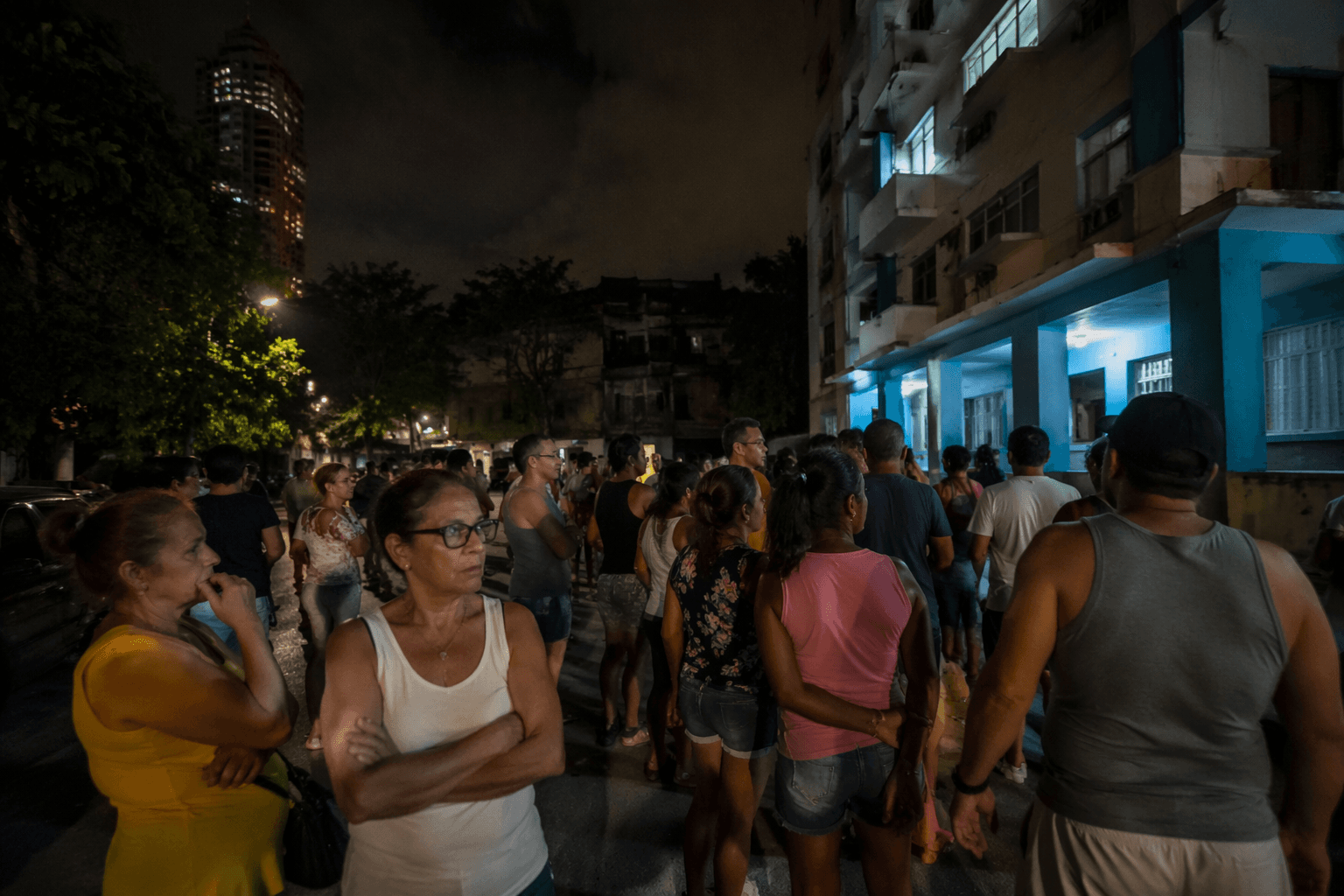
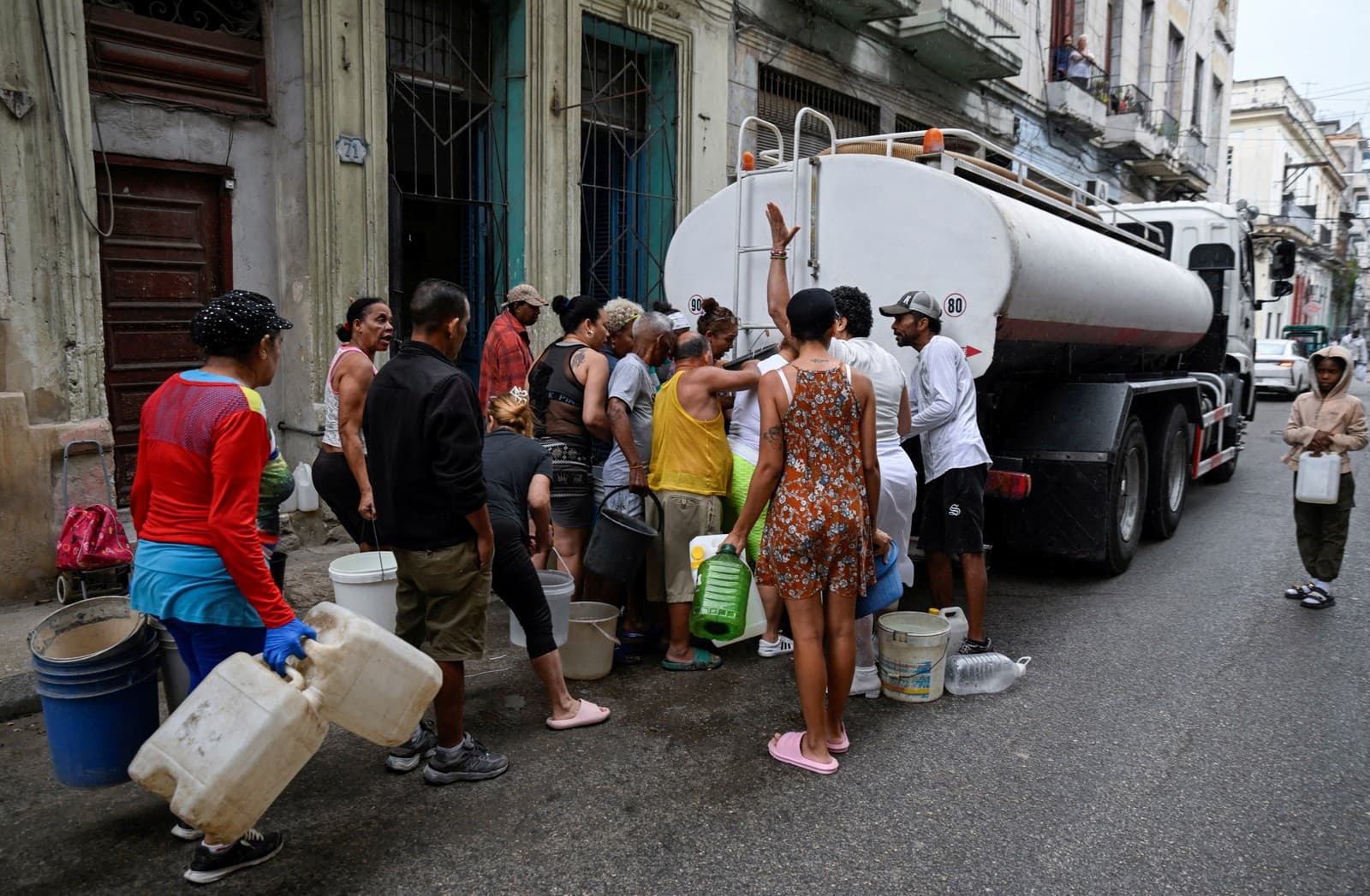
That is what the crisis looks like now in ordinary homes: no steady electricity, no reliable water and no easy way to make up the difference. In Havana, residents have been carrying plastic containers through the streets, trying to fill them wherever water is available and building daily routines around interruptions instead of schedules. When a household cannot count on taps, washing, cooking and sanitation all become harder at once.
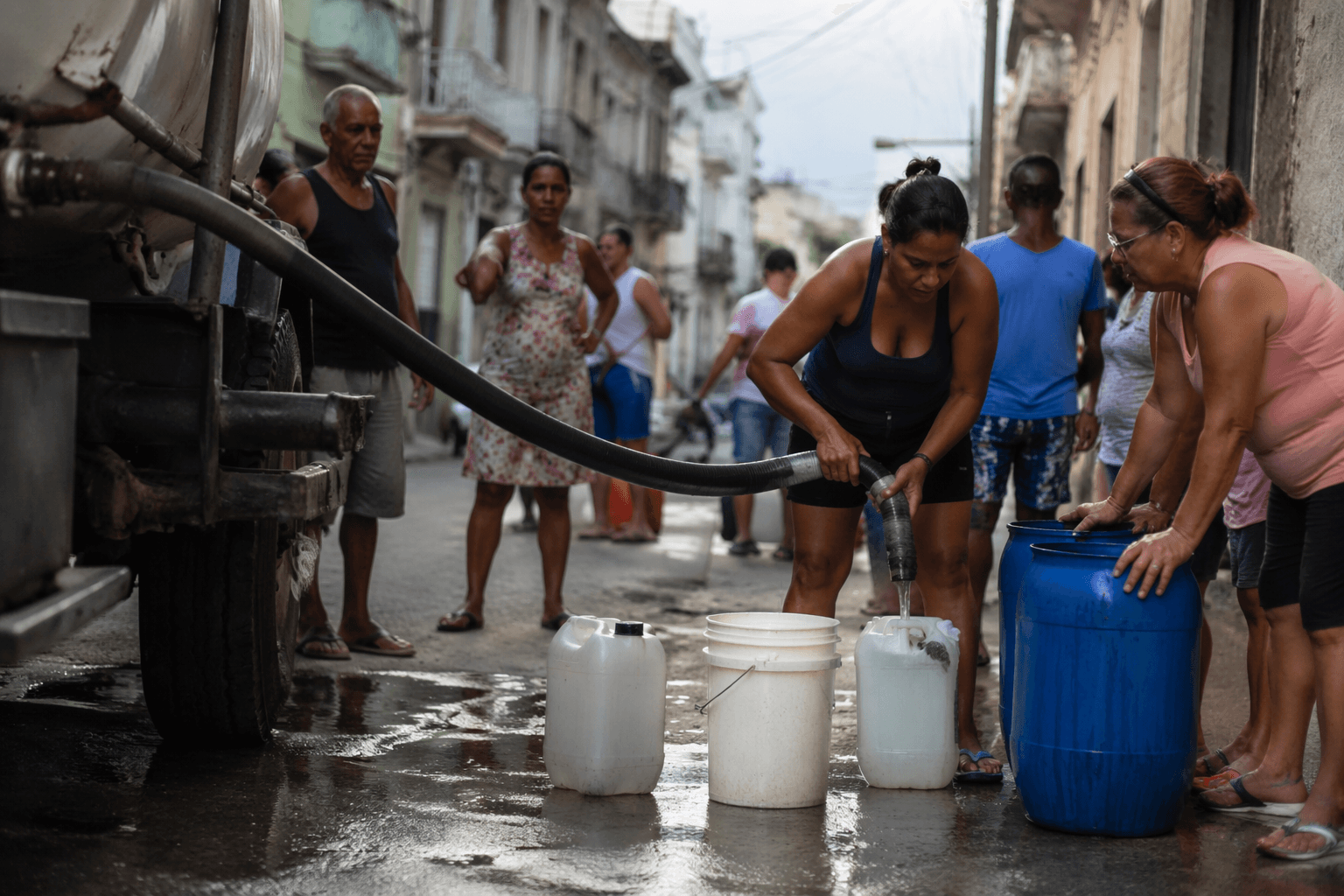
The numbers show how far the breakdown has spread. The United Nations warned on February 5 that Cuba faced a possible humanitarian “collapse” if its oil needs were not met, noting that the country relies on oil for more than 90% of its energy needs. By late February, the UN said nearly one million people, about 10% of the population, were getting drinking water from tanker trucks, while 84% of pumping equipment depended on electricity. That makes the water shortage more than a utility problem. It is a public health problem, a schooling problem and a hospital problem.
By April 6, the UN said the crisis had become “systemic and increasingly severe,” affecting health, water and sanitation, food systems, education, transport and telecommunications. Francisco Pichón said the revised action plan was aimed at helping around two million people across 63 municipalities in eight provinces. The UN also said hospitals across Cuba were suspending surgeries, struggling to keep lifesaving equipment running and facing severe medicine shortages as blackouts and fuel shortages pushed the health system deeper into crisis.
The pressure only worsened in mid-May, when Cuba had run out of diesel and fuel oil as rolling blackouts deepened and protests flared in Havana. On the ground, that meant the same scarce fuel was being stretched across power generation, transport and water delivery, leaving families to improvise around every basic need. What began as an energy crisis has become a household survival crisis, and the taps are now failing alongside the lights.
This article was produced by Prism’s automated news system from verified source data, official records, and press releases, then run through automated quality and moderation checks before publishing. The system is built and supervised by the people who set the standards it runs under. Read our full AI policy.
Know something we missed? Have a correction or additional information?
Submit a Tip