Cuba's Fuel Crisis Forces Hospitals to Halt Surgeries, Cancer Care
Thousands of surgeries postponed, 96,000 Cubans awaiting operations, 28,400 cancer patients losing treatment: Cuba's fuel blackout has pushed hospitals to the edge.

Surgeries are being canceled. Cancer patients are losing access to chemotherapy and radiation. Ambulances are running out of gas. Cuba's healthcare system, once a source of national pride and a major export, is now operating at the margins of function, and the numbers behind that collapse are staggering.
Cuba's Deputy Foreign Minister Carlos Fernández de Cossío confirmed that more than 96,000 Cubans are in need of surgery, but hospitals have been forced to suspend procedures due to limited electricity and shortages of supplies including syringes and antibiotics. Among the most urgent cases: an estimated 11,000 children are awaiting surgery as the fuel blockade pushes hospitals toward the brink.
Health Minister José Ángel Portal Miranda told the Associated Press that the country's healthcare system has been brought to the edge of collapse by the U.S. blockade on oil supplies, warning: "This situation could put lives at risk." Portal put specific numbers to the humanitarian toll: 5 million people in Cuba living with chronic illnesses face disruptions to their medications or treatments, including 16,000 cancer patients requiring radiotherapy and another 12,400 undergoing chemotherapy.
WHO Director-General Tedros Adhanom Ghebreyesus warned that "thousands of surgeries have been postponed during the last month and people needing care have been put at risk" from the lack of available power for medical equipment. The blackouts are doing more than darkening wards. Blackouts directly affect the functioning of medical equipment, emergency areas and intensive care units, and also compromise cold storage systems needed for medicines and vaccines.
Cuba has not received a drop of oil since the start of 2026. Cuban officials have described the situation as "energy asphyxiation," with the island receiving no oil imports in more than three months, reducing its fuel supply by about 90%. The supply collapse traces back to January, when Executive Order 14380 entered into force on January 30, declaring a national emergency and authorizing the imposition of additional tariffs on imports from countries that directly or indirectly supply oil to Cuba. Venezuela, previously Cuba's primary oil supplier, was cut off following the 2026 U.S. intervention there.
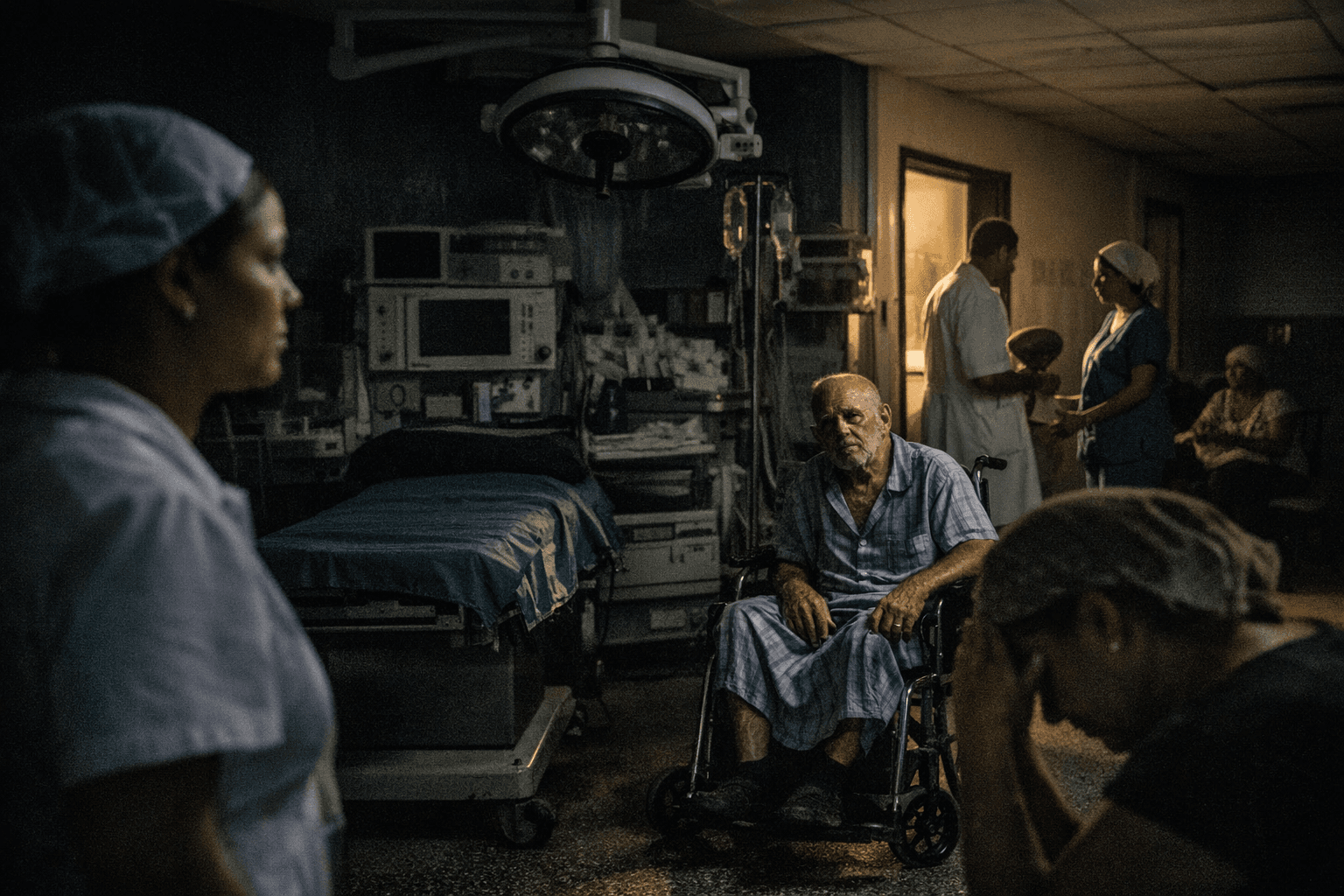
What this means inside hospitals is a brutal triage of necessity. Hospitals have been forced to scale back surgeries, prioritizing only the most urgent cases amid power outages, supply shortages and difficult operating conditions. Pediatric and oncology units face particular strain maintaining the cold chains required for continuous therapies. The gap between available generator capacity and actual demand is acute: the imbalance between generation and demand is driven by breakdowns at thermoelectric plants, scheduled maintenance and a widespread fuel shortage that has taken a significant portion of distributed generation offline.
Small shipments have arrived. On the night of March 17, a convoy reached Havana carrying five tons of medicines and medical supplies. The broader effort, organized under the Nuestra América Convoy, brought 650 representatives from 33 countries and 120 organizations, delivering aid including 100 solar panels and 50 tons of medicine, food and technical equipment escorted by the Mexican Navy. Activist Thiago Ávila, arriving aboard the ship christened "Granma 2.0," called it "a drop in an ocean of need."
Those shipments are being triaged into the national system, but the math is unforgiving. With 96,000 surgical cases pending and entire oncology programs running intermittently, the backlogs accumulating today are converting into preventable deaths and long-term disabilities. The metrics to watch are the ones WHO and UN agencies are now tracking directly: delayed surgery counts, vaccine cold-chain status, and hospital generator fuel reserves. Political decisions about oil and trade restrictions are now hospital-floor decisions in Havana.
This article was produced by Prism’s automated news system from verified source data, official records, and press releases, then run through automated quality and moderation checks before publishing. The system is built and supervised by the people who set the standards it runs under. Read our full AI policy.
Did this article answer your question?