Cuba's Nine UNESCO World Heritage Sites, A Traveller's Complete Guide
Cuba packs nine UNESCO World Heritage sites into one Caribbean island, from baroque Old Havana to the lush valleys of Viñales.
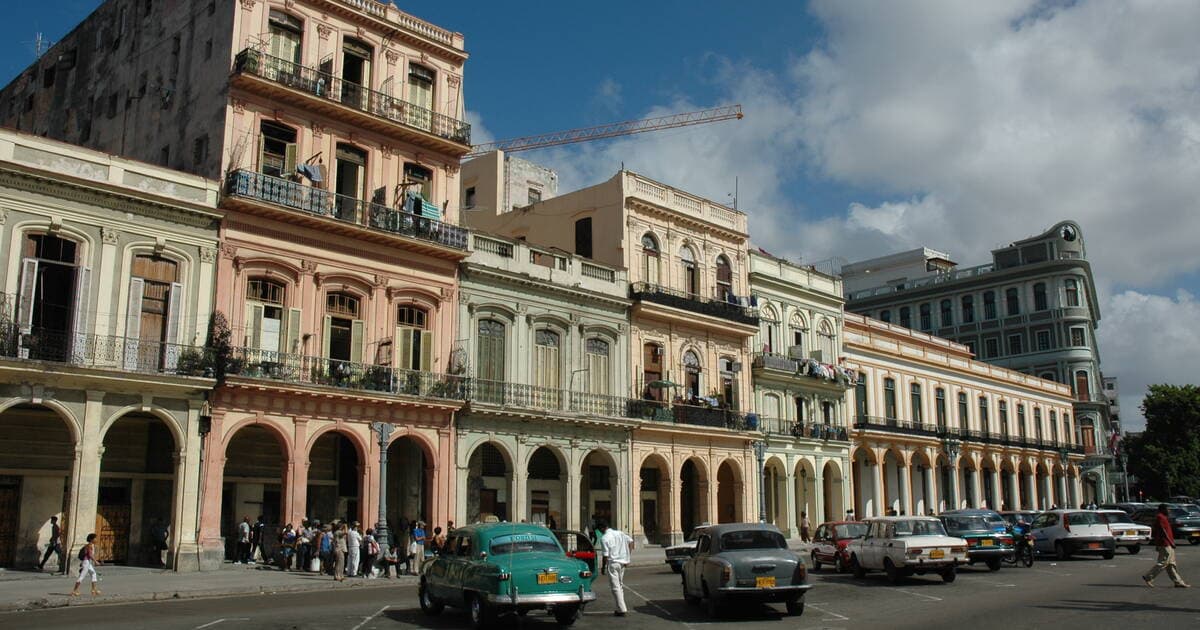
Cuba joined UNESCO in 1947, but it wasn't until 1982 that the organization formally recognized what travellers had long understood: this island carries an extraordinary concentration of cultural and natural heritage. Old Havana became the first Cuban site on the World Heritage list that year, and eight more have followed since. Today, nine confirmed sites span colonial fortresses, architectural showpieces, and sweeping landscapes, with three additional tentative designations waiting in the wings. "Each of the Cuban UNESCO World Heritage sites is celebrated for its remarkable historical, architectural, and natural significance," as one widely used guide puts it. "Cuba punches way above its weight in all those categories."
Old Havana (La Habana Vieja)
The starting point for most heritage visits, La Habana Vieja earns its UNESCO status through sheer depth of character. "As the cultural epicenter of Cuba, it's no surprise Havana's Old Town was awarded UNESCO status in 1982." Walking its squares, you move through layers of baroque and neoclassic-style architecture that have made Havana one of the most historically significant cities in the Americas. Don't be put off by the weathered facades: "There's a lot of passion in Old Havana, and the somewhat tattered character only adds to its charm."
Central Park anchors the old city with its statue of José Martí standing watch over the surrounding streets. Two experiences here are essentially mandatory: a ride through the city in one of Cuba's famous vintage cars, and a daiquiri at El Floridita, one of Ernest Hemingway's favorite bars. Both give you something a museum cannot, a street-level conversation with local guides about where Havana has been and where it might be heading.
San Pedro de la Roca Castle, Santiago de Cuba
Head east to Santiago de Cuba and you find one of the region's great military monuments. San Pedro de la Roca Castle was built because it had to be: "Rivalry tore through the Caribbean in the 17th and 18th centuries, which made the fortifications of San Pedro de la Roca Castle in Santiago de Cuba one of the region's most important defense points." The fort still stands as a striking example of Spanish-American military architecture, added to the UNESCO list in 1997.
Climb the castle walls and you get some of the best views in all of Santiago de Cuba, the ocean stretching out below. Inside, a small museum traces the fort's history in detail. It is one of those sites where the physical scale of the structure communicates its historical urgency more directly than any caption can.
Cienfuegos
Cienfuegos holds its own place on the confirmed UNESCO list, a coastal city whose heritage reflects the layered European and Caribbean influences that shaped southern Cuba. Its inclusion alongside Old Havana and Santiago's fortress speaks to the breadth of Cuba's World Heritage portfolio, ranging from urban planning to military architecture to natural landscapes.
Camagüey
Few Cuban cities display as rich an architectural vocabulary as Camagüey. "Camagüey is renowned for its remarkable array of Art Nouveau, colonial, neoclassical, and Art Deco buildings," and that variety is not accidental: the city evolved across centuries, absorbing different design movements while maintaining a coherent historic core. "Its ancient town serves as the hub of the local social and cultural scene," making it as alive today as it is historically layered.
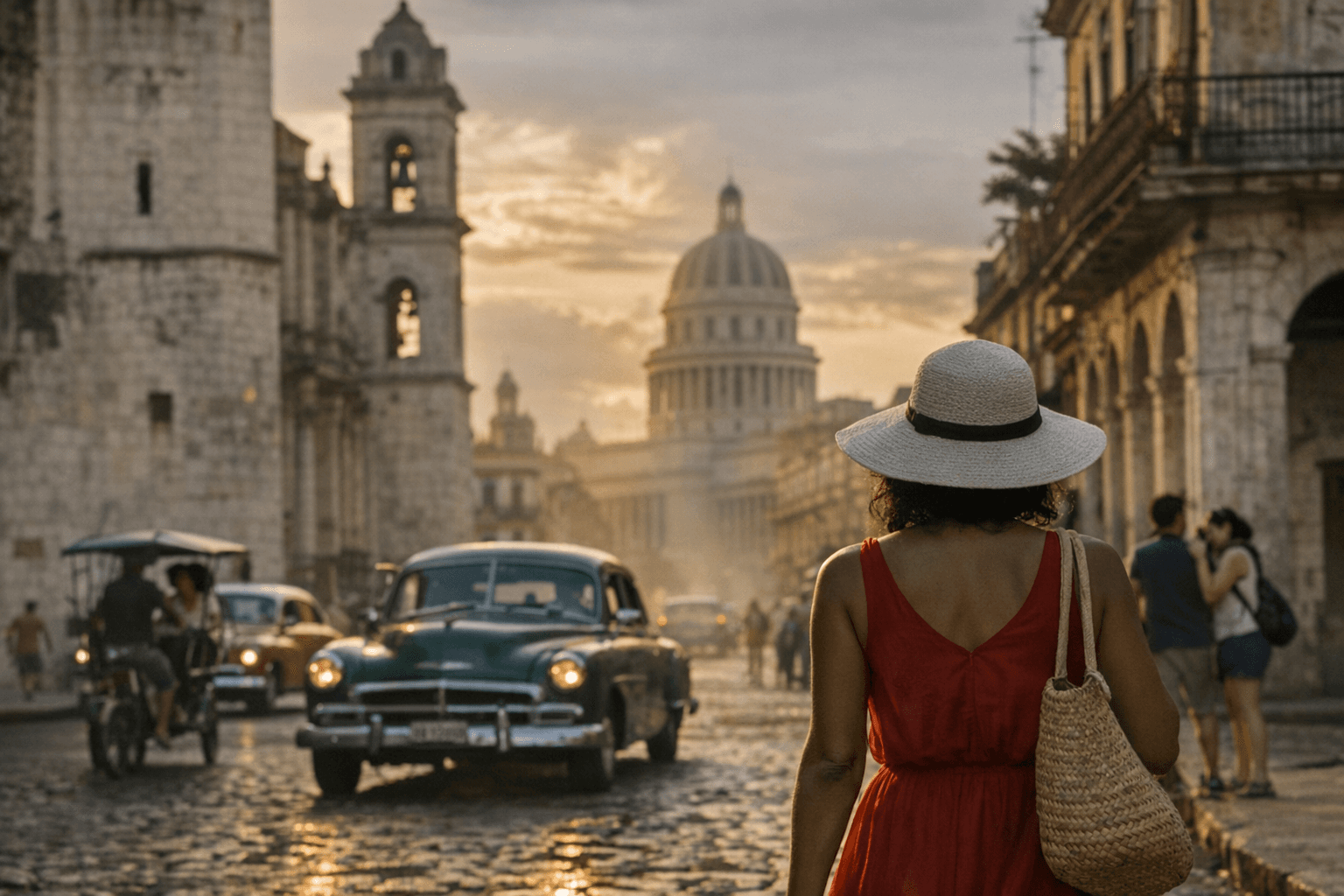
One of the more intriguing chapters in Cuban urban history involves a city, referenced in historical accounts of the island, that was burned down by the privateer Henry Morgan in the 17th century and subsequently rebuilt with a deliberately confusing street layout to disorient future invaders. The result was a historic center characterized by winding streets and irregular squares, a design philosophy that is now itself protected as a UNESCO World Heritage Site.
Valle de Viñales
Where the other sites on this list are defined by human construction, Valle de Viñales makes its case through landscape. The valley's lush terrain, with its iconic limestone mogotes rising from tobacco fields, represents a natural heritage of a different register entirely. "From the vibrant streets of Old Havana to the lush landscapes of Valle de Viñales, each location tells a story of resilience and artistry." The contrast between the two ends of that sentence captures why Cuba's UNESCO portfolio is so compelling as a whole: you can move in a single trip between urban baroque and open countryside without leaving the island.
Getting There: Practical Logistics
All nine sites are reachable from Havana or any major Cuban city, and you have several options depending on your budget and flexibility. The Viazul bus service connects the main destinations and is the most straightforward public option for independent travellers. A private car is another strong choice and easier to arrange than it might sound: your casa particular (guesthouse) hostess can typically set this up on your behalf, drawing on local contacts. Colectivo taxis, the shared taxi system that operates across Cuba, are accessible at local Viazul bus stations or again through your casa hostess. Each option has its own rhythm: Viazul gives you a fixed schedule, colectivos are faster but fill up, and private cars offer the most flexibility for reaching sites off the main routes.
Staying in casa particulares throughout your trip is worth considering beyond the transport logistics. These family-run guesthouses are embedded in local neighborhoods, and the relationships you build with your hosts often unlock practical knowledge, recommended stops, and arrangements that no booking platform can replicate.
Further Reading
If you want to go deeper into Cuba's heritage before or during your trip, several guidebooks are worth having. Lonely Planet Cuba remains the standard reference for general orientation. Insight Guides Cuba covers cultural context in greater depth and includes a free eBook edition. For Old Havana specifically, the Walking Tour of Old Havana guide takes you through the historic center site by site. And if natural heritage is your focus alongside the built environment, the Field Guide to the Birds of Cuba is an essential companion for the country's protected landscapes.
Cuba's nine UNESCO sites collectively span nearly five centuries of history and cover the full range of what the World Heritage designation is designed to protect. "These nine sites have captivated visitors for centuries, showcasing Cuba's unique heritage and historical significance." Planning a route that takes in even four or five of them gives you a Cuba that goes well beyond the postcard version, a country where the architecture, the landscape, and the history are all, in their own way, still very much in use.
This article was produced by Prism’s automated news system from verified source data, official records, and press releases, then run through automated quality and moderation checks before publishing. The system is built and supervised by the people who set the standards it runs under. Read our full AI policy.
Did this article answer your question?