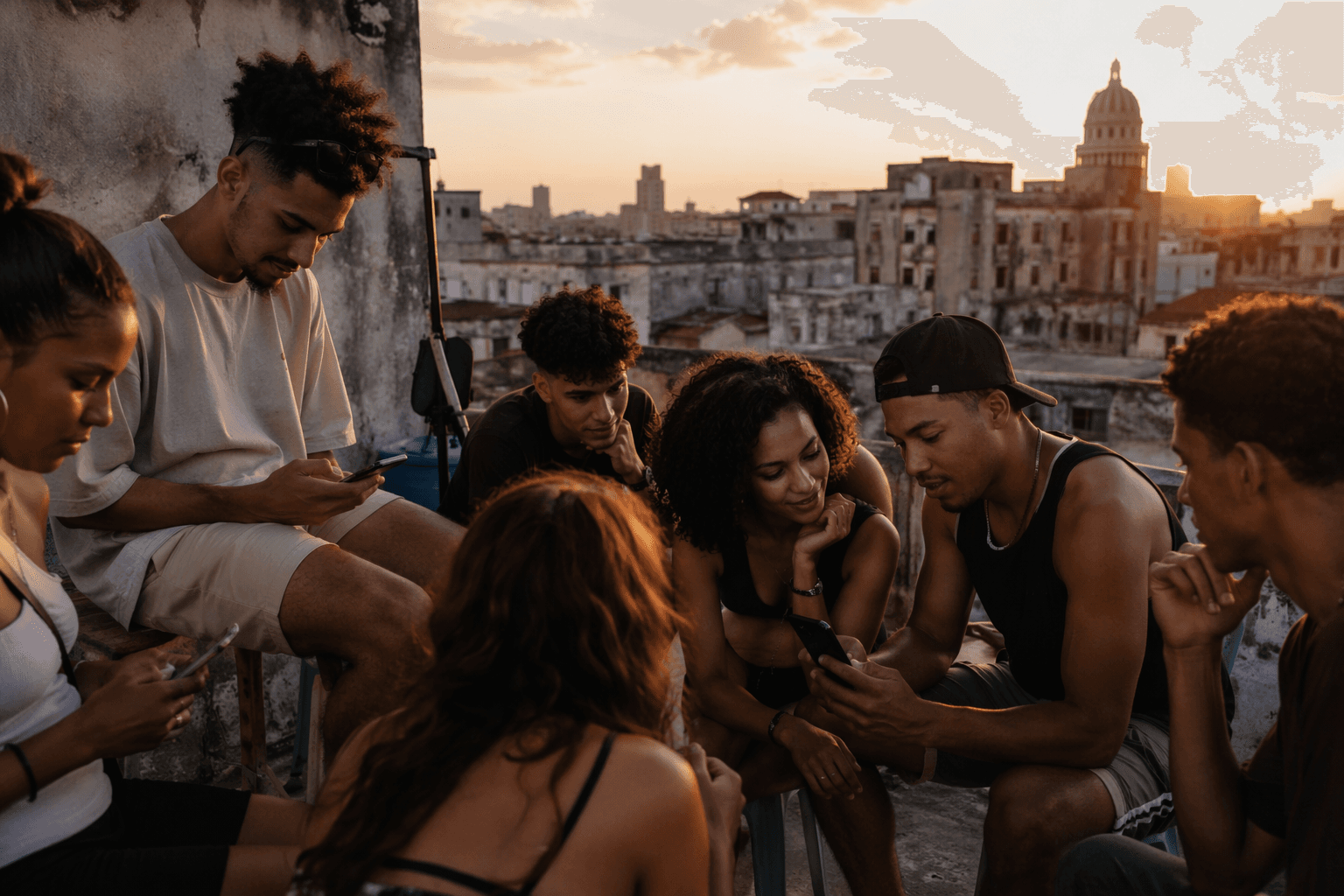
Cuba's Power Grid Collapses Again, Third Nationwide Blackout in March
Cuba's grid collapsed again on March 22, the third nationwide blackout in March, leaving more than 10 million people without power as the island has received only two oil shipments all year.

Cuba's national electric grid collapsed again on March 22, the third time this month the island's National Electric System has gone dark entirely, as grid operator UNE announced the outage on social media and said it would continue providing updates. The Cuban Ministry of Energy and Mines confirmed that a total disconnection of the National Electric System had occurred and that protocols to restore electricity service across the country were being implemented.
The collapse came less than a week after a March 16 blackout that left around 10 million people without power for more than 29 hours, the first such total failure since the United States cut off Cuba's oil supply from Venezuela and threatened tariffs on any country that ships fuel to the island. That outage ended when the grid came fully back online at 6:11 p.m. local time on March 17, after workers successfully fired up the Antonio Guiteras power plant, a decades-old facility that underpins the country's power grid, by midday Tuesday. Officials warned even then that power shortages would likely continue because not enough electricity was being generated.
The fuel picture behind the collapses is stark. According to LSEG ship-tracking data, Cuba received only two small vessels carrying oil imports for all of 2026 so far. President Miguel Díaz-Canel stated publicly that the island has not received oil from foreign suppliers in three months. Cuba produces barely 40 percent of the fuel it needs to power its economy, and solar parks, which supply a third or more of daytime generation, were hampered during the March 16 event by overcast skies as a cold front moved across the island. The one marginal sign of relief in the shipping data: a Hong Kong-flagged tanker that had suspended its Atlantic course weeks ago resumed navigation toward the island, per the same LSEG tracking.
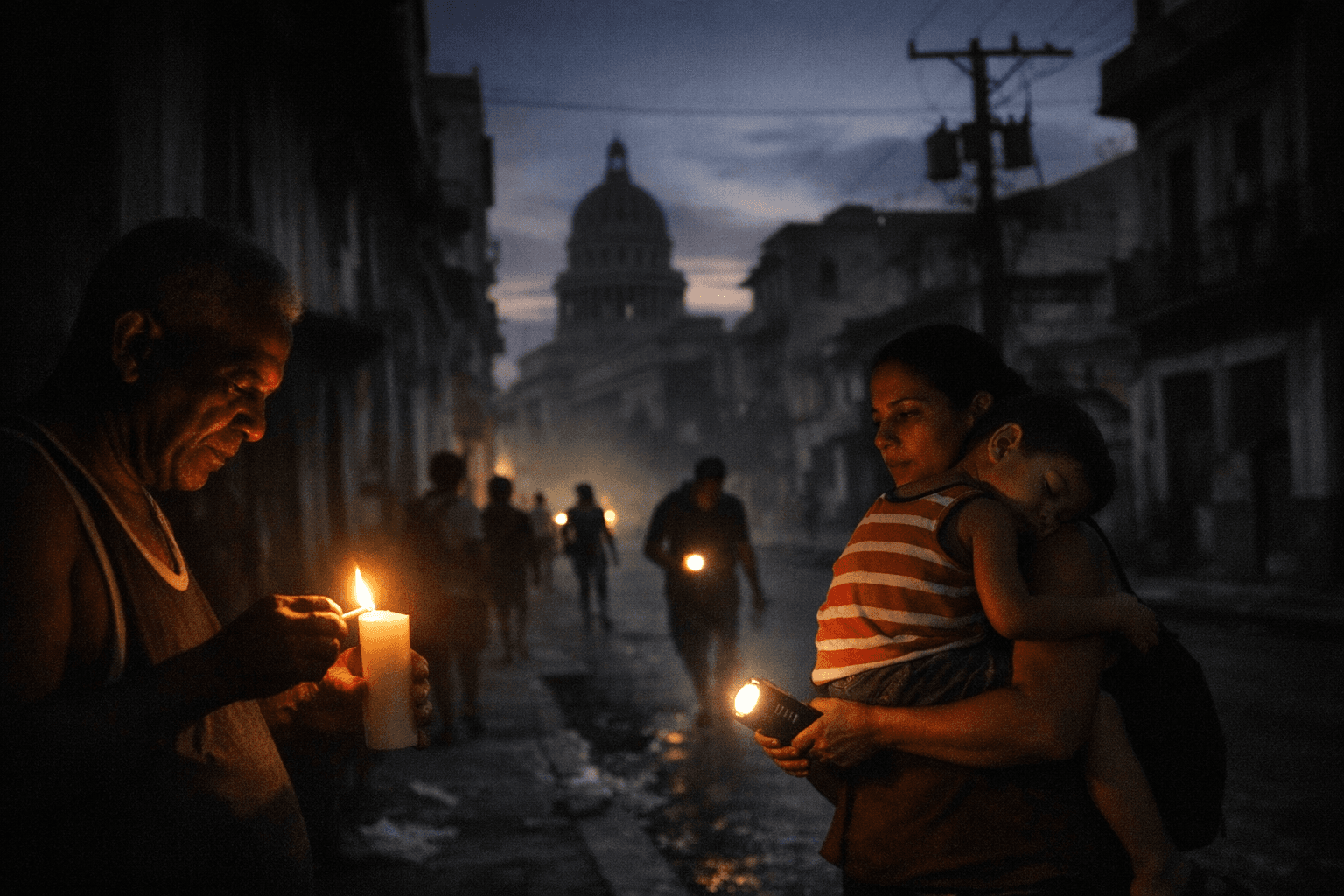
The human toll accumulates with each collapse. Daily blackouts of up to 12 hours, caused by chronic fuel shortages, were already destabilizing the grid before the nationwide failures hit. When the lights go out entirely, Cubans lose working hours, cannot cook, and watch refrigerated food spoil. In Havana, mototaxi riders and street vendors on the Malecón carried on through the darkness during the March 16 outage.
The political framing from both governments has grown sharper. Díaz-Canel posted on social media shortly after power returned from the March 16 blackout: "They intend to and announce plans to take over the country, its resources, its properties, and even the very economy they seek to suffocate in order to force us to surrender." He also criticized what he called Washington's "almost daily public threats against Cuba." A U.S. State Department official answered that the blackouts are "a symptom of the failing regime's incompetence."
Trump in January warned of tariffs on any country that sells or provides oil to Cuba, and his administration has demanded Cuba release political prisoners and move toward political and economic liberalization in exchange for any easing of sanctions. Trump has also publicly raised the possibility of a "friendly takeover of Cuba." Cuba and the United States have opened talks aimed at defusing the crisis, though neither side has provided details of the negotiations.
With the third blackout of the month now unfolding and only two oil shipments received all year, officials had not yet stated what caused the latest grid failure, consistent with their handling of the March 16 event, when Cuban authorities also declined to assign a specific technical cause.
This article was produced by Prism’s automated news system from verified source data, official records, and press releases, then run through automated quality and moderation checks before publishing. The system is built and supervised by the people who set the standards it runs under. Read our full AI policy.
Did this article answer your question?