Cuba’s private enterprises expand as sanctions and shortages bite
Cuba’s private firms are now carrying a bigger share of daily life, from retail sales to jobs, even as fuel shortages and sanctions keep biting.
Private bakeries, transport firms and repair shops have become Cuba’s unofficial shock absorbers, filling gaps the state can no longer cover as sanctions, blackouts and fuel shortages deepen the island’s economic strain.
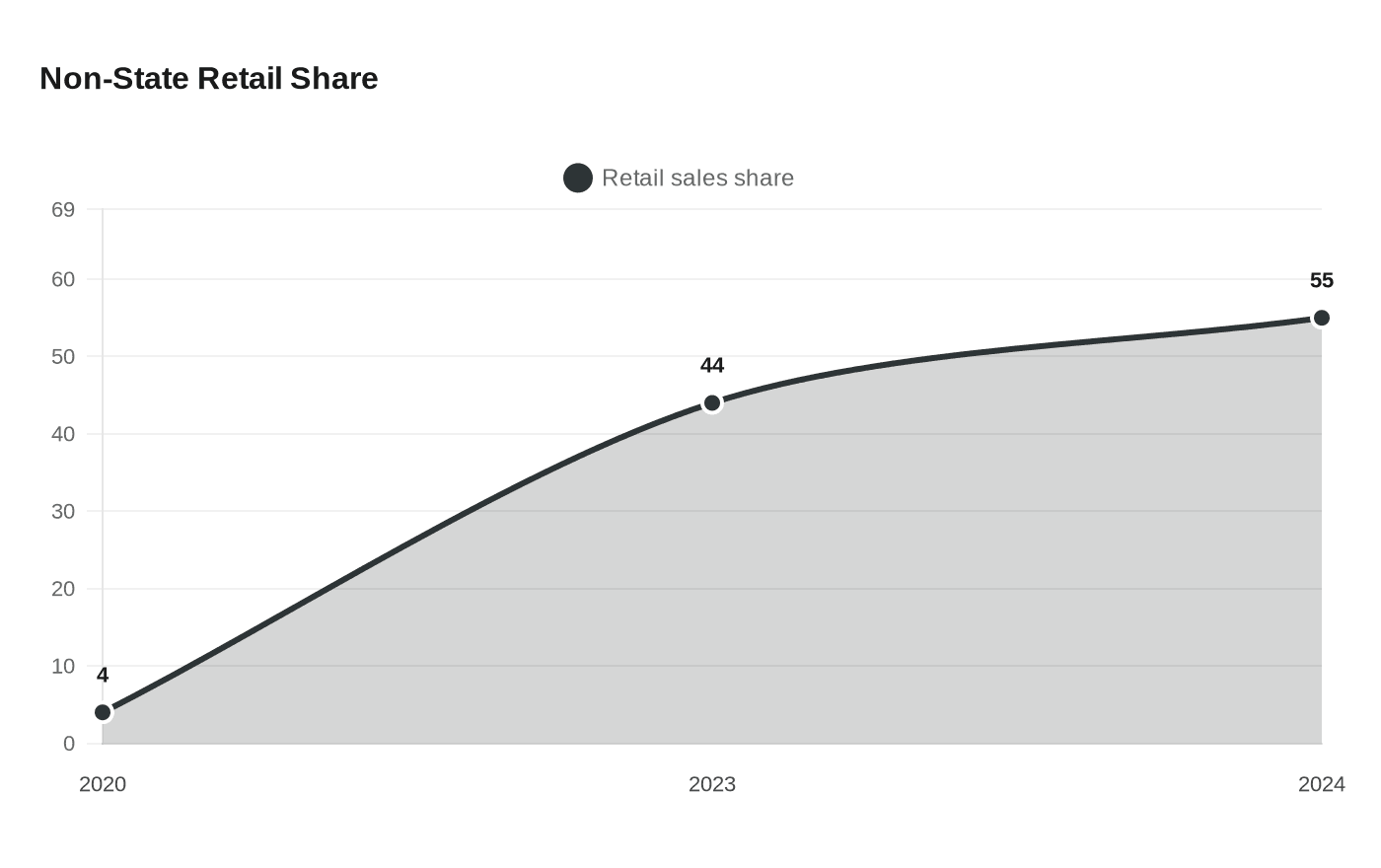
The shift is striking. Cuba legalized private micro, small and medium-sized enterprises in September 2021, and by 2024 more than 11,000 private MSMEs had been approved. Official figures put the non-state sector at 55% of retail sales of goods and services in 2024, up from 44% in 2023 and just 4% in 2020, excluding public utilities. Private enterprises and self-employed workers have also generated more than 570,000 jobs since 2012, making the sector one of the few parts of the economy still expanding.
That growth sits on top of a long reversal from the post-revolution model. After the Cuban Revolution culminated on January 1, 1959, Fidel Castro’s government nationalized private business. The collapse of Cuba’s Soviet patron in 1991 pushed the island into the Special Period and forced a partial reopening to private activity, but the current wave of MSMEs is far larger and more visible in everyday life.
The boom has not come without tighter controls. In 2024, Havana introduced new rules that shifted business approvals toward local councils and added more restricted activities, while also toughening requirements for business partners. The result is a private sector that is larger, more important and still constrained by the state.
At the same time, the government has moved cautiously in the opposite direction. In 2026, Cuba published a decree-law allowing the creation of public-private enterprises for the first time in nearly 70 years, a sign that officials see some form of mixed ownership as necessary amid the island’s deep energy crisis.
The pressure on private business is still tied to daily survival. U.S. suppliers shipped about 30,000 barrels of fuel to Cuba’s private sector in 2026 year to date, part of a broader effort to strengthen non-state businesses while isolating state-run enterprises. For shops and transport operators trying to keep generators running, deliveries like that can mean the difference between opening and closing.
For Cuba’s entrepreneurs, the question is no longer whether the private sector exists. It is whether it can keep absorbing the shocks of shortages, regulation and inequality faster than the state can repair them.
This article was produced by Prism’s automated news system from verified source data, official records, and press releases, then run through automated quality and moderation checks before publishing. The system is built and supervised by the people who set the standards it runs under. Read our full AI policy.
Did this article answer your question?