Cuba's Zapata eco-tourism falters as blackouts, fuel shortages deepen
In Playa Larga, locals race the clock whenever power returns, while hotels sit shut, fuel is gone and tourist arrivals have plunged.
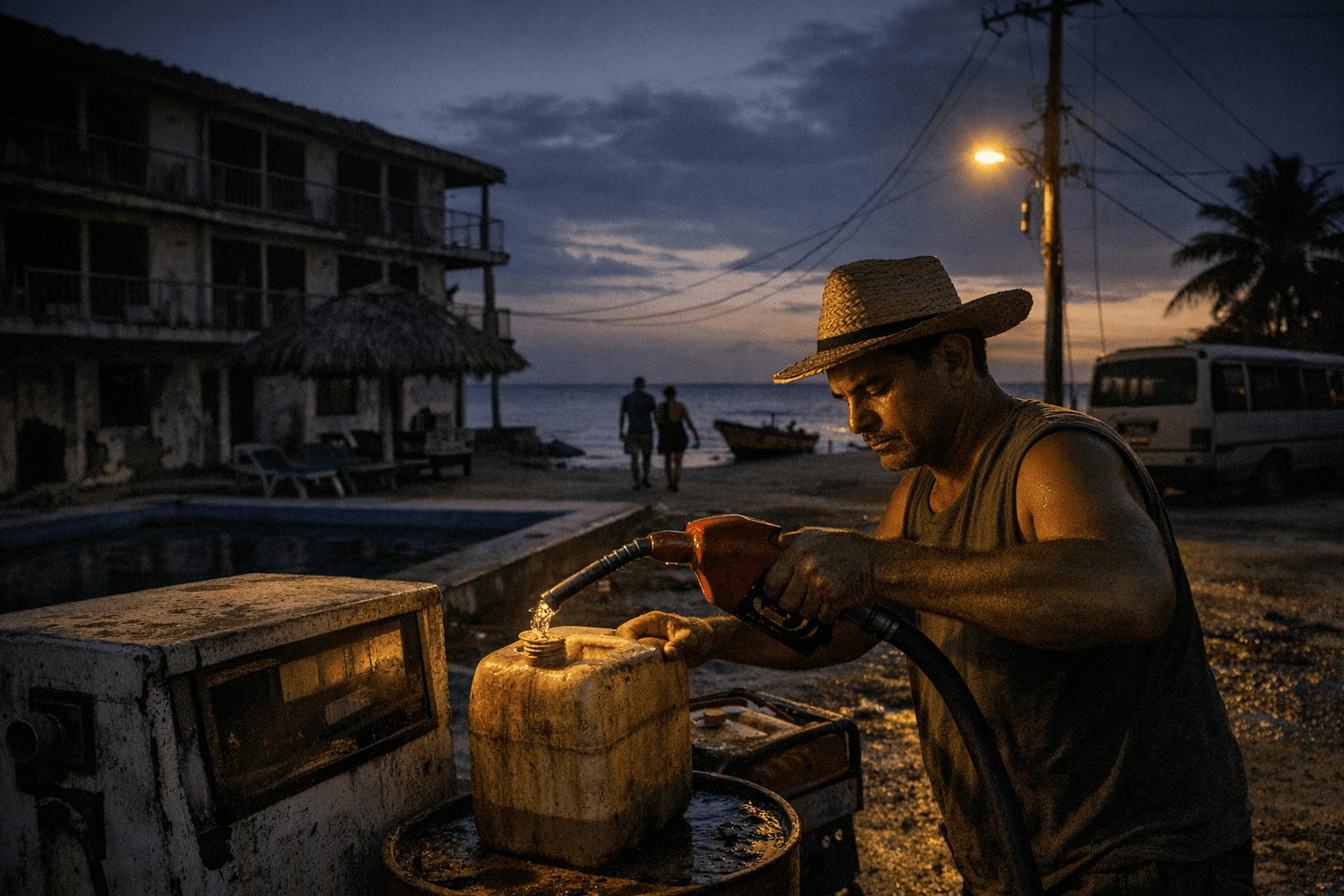
In Pálpite and Playa Larga, the evening rush is no longer visitors heading to the beach or guides lining up tours. It is residents stepping outside the moment the lights come back on, trying to catch a mobile signal, call family or get basic chores done before the next blackout wipes the town dark again.
That scene has become the new normal across Cuba’s Zapata wetlands, where one of the island’s best-known eco-tourism regions is being hollowed out by a collapse in electricity, fuel and communications. Power cuts in the area can last as long as 22 hours a day. In Playa Larga, both hotels are closed, most attractions are shuttered and travelers who once reached the coast by rental car are now running into empty tanks and empty roads.
Manuela Arencibia, 51, who rents rooms in Playa Larga, has spent her days canceling booking after booking. Some of the guests were already in Cuba and still could not make the trip because they could not find a taxi driver with enough gas for the road from Havana. She has lost reservations from travelers from Switzerland, Canada, France and Germany, a sign that the slump is not just local but international.
The numbers tell the same story. Cuba’s Oficina Nacional de Estadística e Información said the country received 262,496 international visitors by the end of February 2026, equal to 70.0% of the same period in 2025, a fall of 112,642 visitors. Total travelers reached 363,649 by the end of February, or 73.1% of the comparable 2025 period. Separate tourism figures showed international tourist arrivals dropped 56% in February from a year earlier, while hotel occupancy in 2025 ended at 18.9%, the worst in recent history.
In Playa Larga and nearby Girón, that decline is visible in the daily landscape. The underwater cave Cueva de los Peces has been closed for at least two months, and the Ciénaga de Zapata wetlands, usually sold as a refuge of quiet water, birds and rustic authenticity, now sit in a region where even getting there is a challenge.
The broader squeeze has only deepened the crisis. United Nations reporting says Cuba’s humanitarian needs remain acute and have worsened since the end of March 2026, and that external measures affecting the island have reduced supplies of oil and oil derivatives. A United States executive order on January 29, 2026 further restricted the supply of oil or fuel from third countries. For Zapata, that means tourism is not merely slowing. It is being cut off at the level of power, transport and basic daily life.
This article was produced by Prism’s automated news system from verified source data, official records, and press releases, then run through automated quality and moderation checks before publishing. The system is built and supervised by the people who set the standards it runs under. Read our full AI policy.
Did this article answer your question?