Díaz-Canel Congratulates Communist Party of Vietnam, Seeks Stronger Science, Technology Ties
President Miguel Díaz‑Canel congratulated the Communist Party of Vietnam at its XIV Congress and pledged deeper science and technology cooperation, signaling potential boosts to Cuban research and innovation.
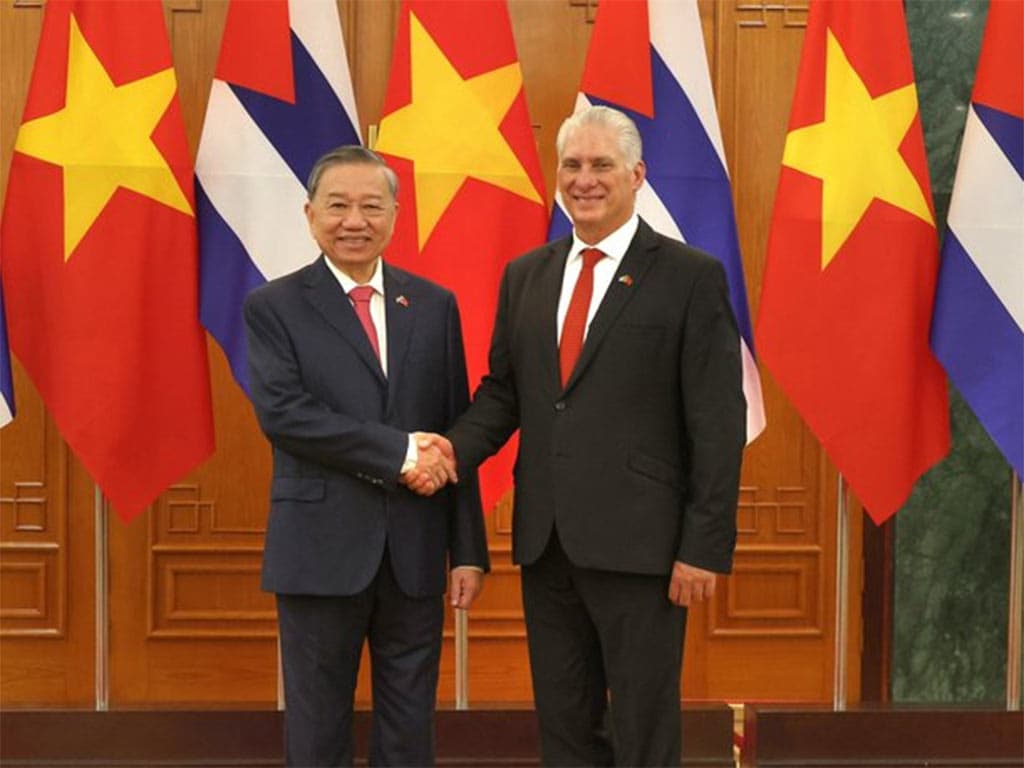
President Miguel Díaz‑Canel published a message on the social platform X congratulating the Communist Party of Vietnam and its Secretary General To Lam as Vietnam opened its XIV Party Congress, held 19-25 January 2026. The president expressed wishes for Vietnam’s continued successes in building socialism and reaffirmed Cuba’s intention to deepen inter-party ties and bilateral cooperation, with science, technology and innovation singled out as central themes.
The social media post arrived as the Vietnamese congress set a policy agenda around innovation and modernization. By naming science and technology as priority areas for closer ties, Díaz‑Canel signaled an emphasis on practical cooperation that could touch everyday Cuban life - from public health and biotechnology to agricultural techniques and digital services.
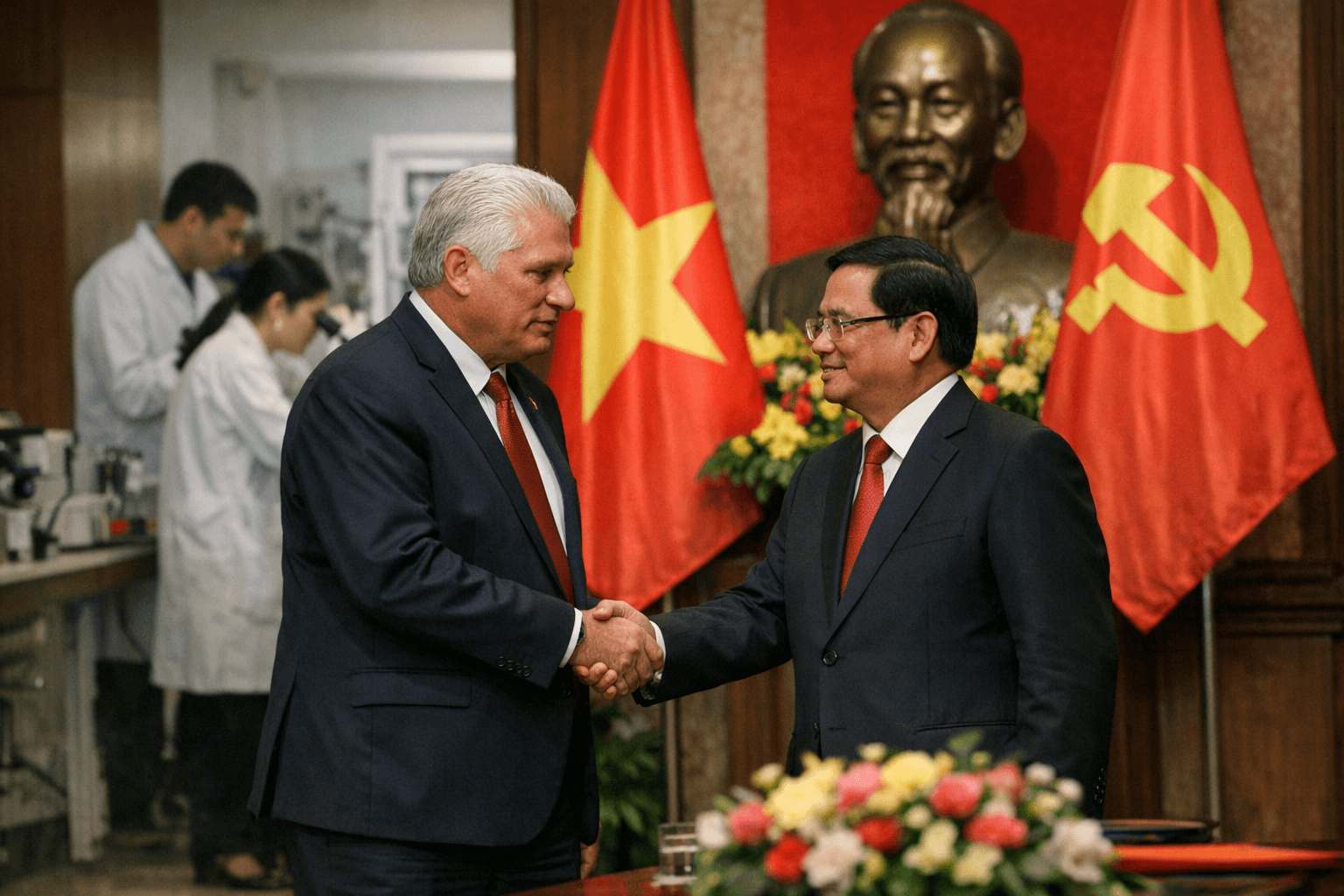
Cuba has long invested in biotechnology and health sciences as exportable strengths and areas of national pride. Strengthened ties with Vietnam could open pathways for joint research projects, training exchanges for young investigators, shared access to specialized equipment, and collaborative approaches to agricultural productivity and sustainability. For university researchers, technicians at centers of science and innovation, and professionals in the public health sector, the president’s message is a cue to prepare for potential bilateral initiatives and to follow announcements from relevant ministries.
The message also underscores the diplomatic role of inter‑party relations for Havana. Reinforcing links with the Communist Party of Vietnam ties ideological affinity to practical cooperation. For municipal research centers and provincial education authorities, that alignment may translate into invitations to technical seminars, remote workshops, or future delegations aimed at technology transfer and capacity building.
Practical impacts are likely to unfold incrementally rather than through immediate headline agreements. Expect ministries and research institutions to negotiate memoranda, pilot projects, and exchange programs in the weeks and months after the congress. Local scientists should monitor calls for proposals, university partnerships, and notices from the Ministry of Higher Education and the Ministry of Science, Technology and Environment for concrete opportunities.
For ordinary Cubans, deeper scientific collaboration with Vietnam could improve access to improved agricultural seeds and techniques, bolster public health research capacity, and accelerate the adoption of digital tools that make government services and education more resilient. The president’s message framed the relationship as both political solidarity and a vehicle for technological advancement.
What comes next will be the shape of cooperation: formal agreements, project launches, or scholar exchanges that make those priorities tangible. Stay tuned to official channels for announcements that translate this diplomatic gesture into concrete programs and opportunities for Cuban researchers and communities.
This article was produced by Prism’s automated news system from verified source data, official records, and press releases, then run through automated quality and moderation checks before publishing. The system is built and supervised by the people who set the standards it runs under. Read our full AI policy.
Did this article answer your question?