Díaz-Canel says GAESA has helped Cuba withstand U.S. pressure
Washington’s new Cuba sanctions hit GAESA, while Havana calls the military-run conglomerate a shield even as hotels cut ties and card payments wobble.
GAESA sits at the center of Cuba’s latest fight with Washington: the military-run conglomerate that U.S. officials say controls 40 percent or more of the island’s economy is now under fresh sanctions, and Havana is arguing that the same machine helps the country survive U.S. pressure. Miguel Díaz-Canel defended that role as the island faced another round of tightening sanctions, hotel pullbacks and payment disruptions.
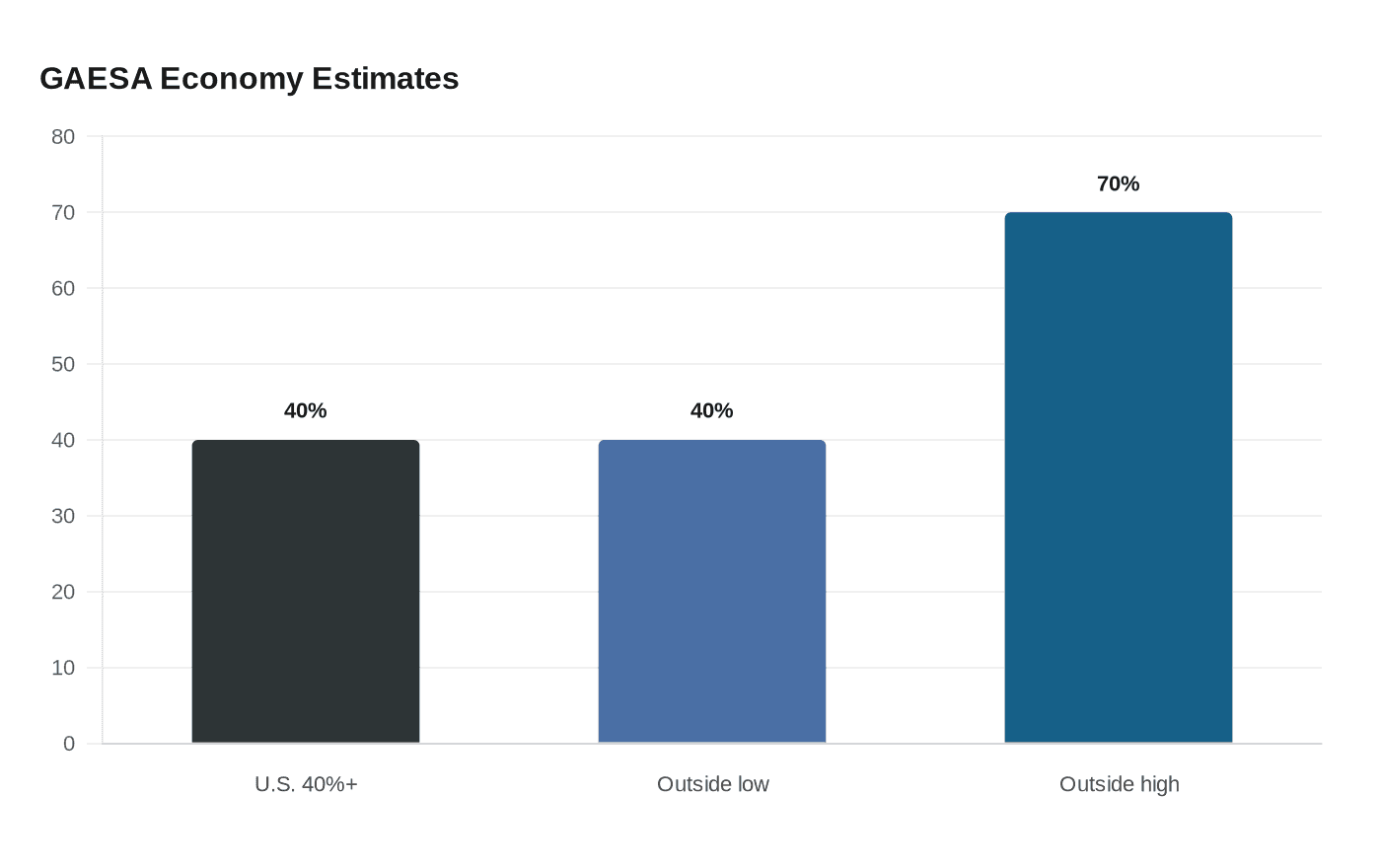
The pressure campaign escalated after Donald Trump issued Executive Order 14404 on May 1, then the State Department designated GAESA on May 7, saying it operated in Cuba’s financial services sector and describing it as a Cuban military-controlled umbrella enterprise involved in finance, tourism, and metals and mining. In its statement, the department said GAESA controlled an estimated 40 percent or more of Cuba’s economy and was meant to generate income for elite interests, not ordinary Cubans.
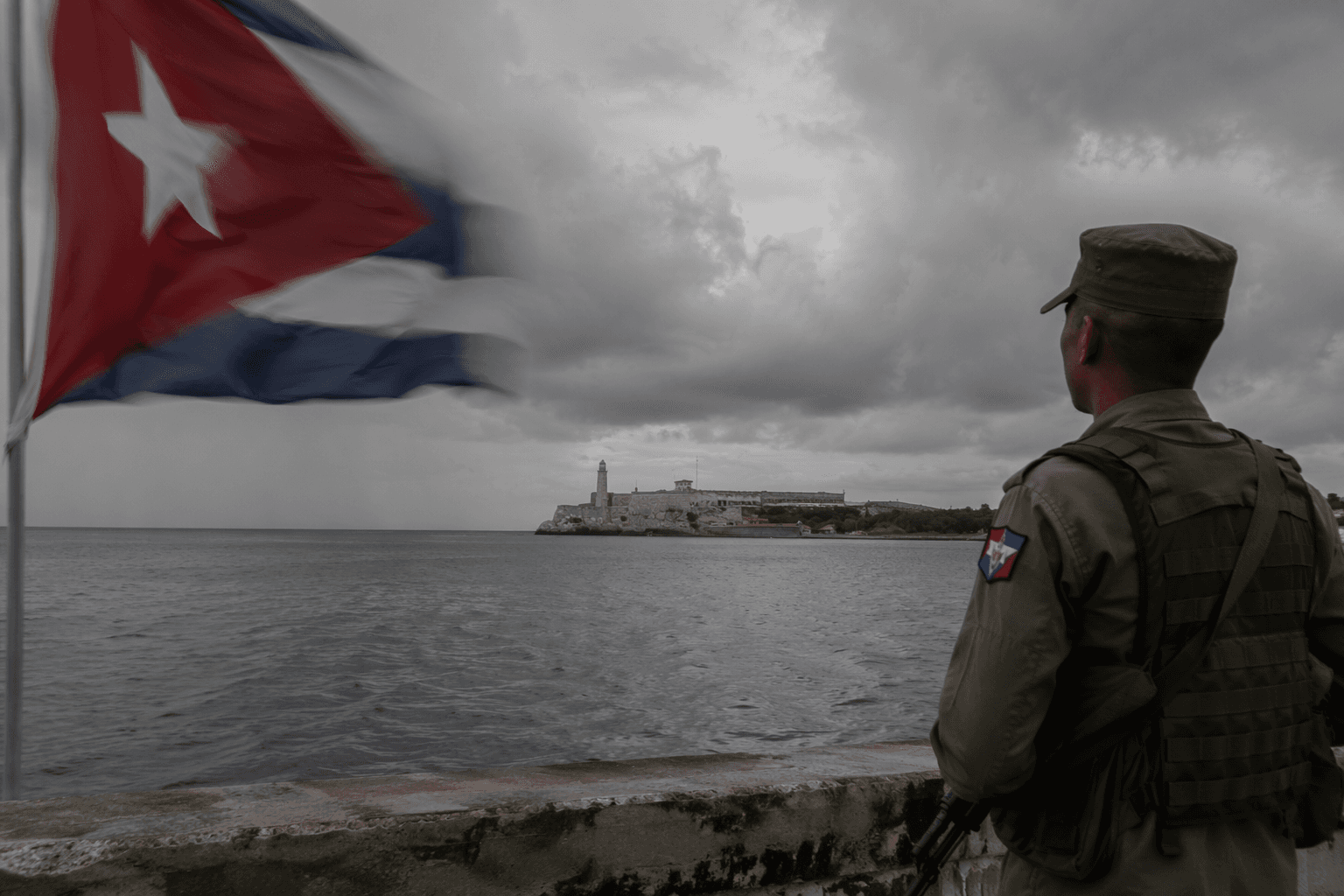
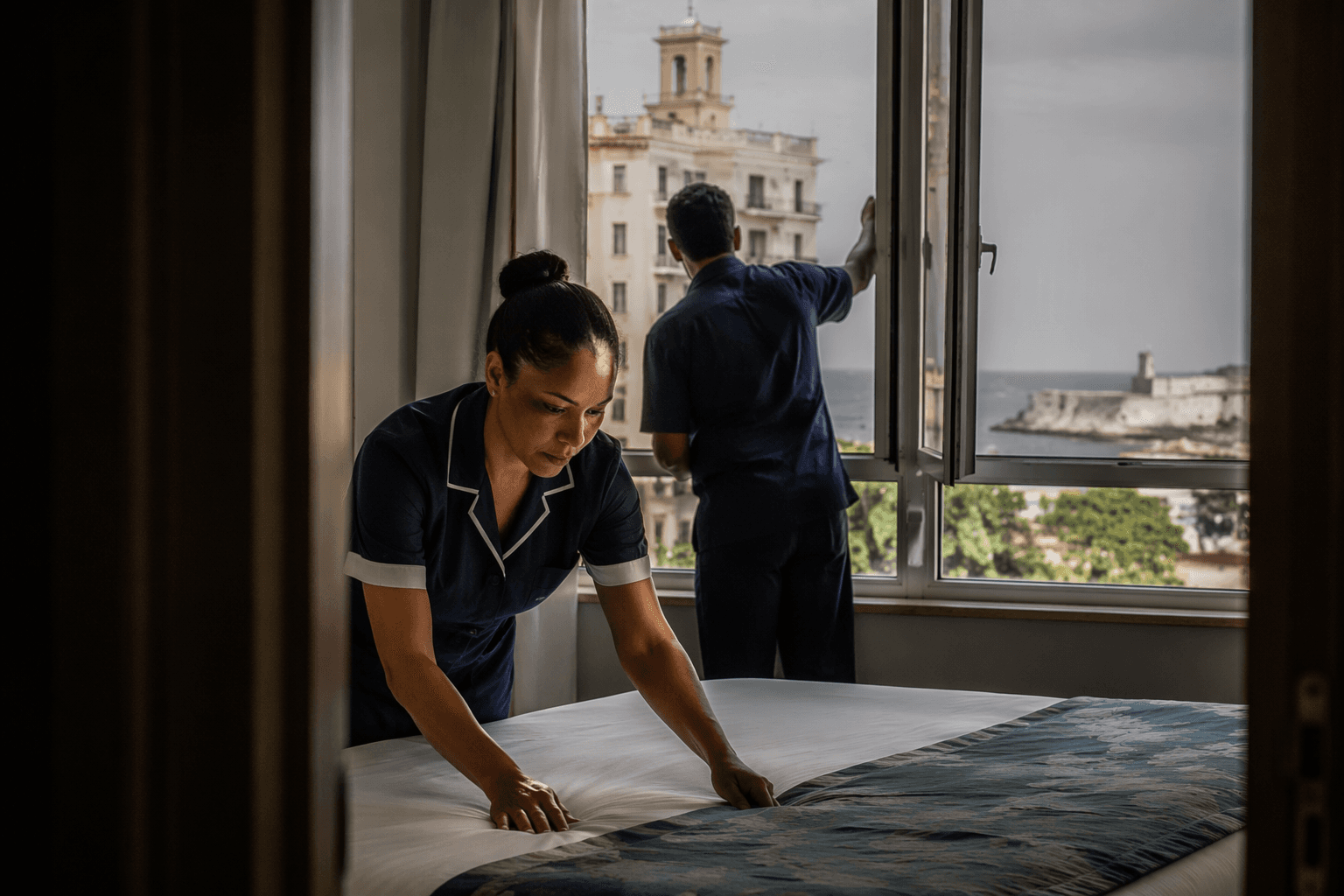
Cuba answered on June 2 with a blunt defense of the conglomerate, denying U.S. corruption claims and calling GAESA “not an opaque structure” but a “carefully crafted response” to the economic blockade. Bruno Rodríguez called the sanctions “vile” and said Cuba would meet the pressure with “unity and resolve.” That argument lands in the middle of a very public crisis, with outside estimates putting GAESA’s reach anywhere from roughly 40 percent to 70 percent of the economy, including a heavy presence in five-star hotels and prime Havana properties.
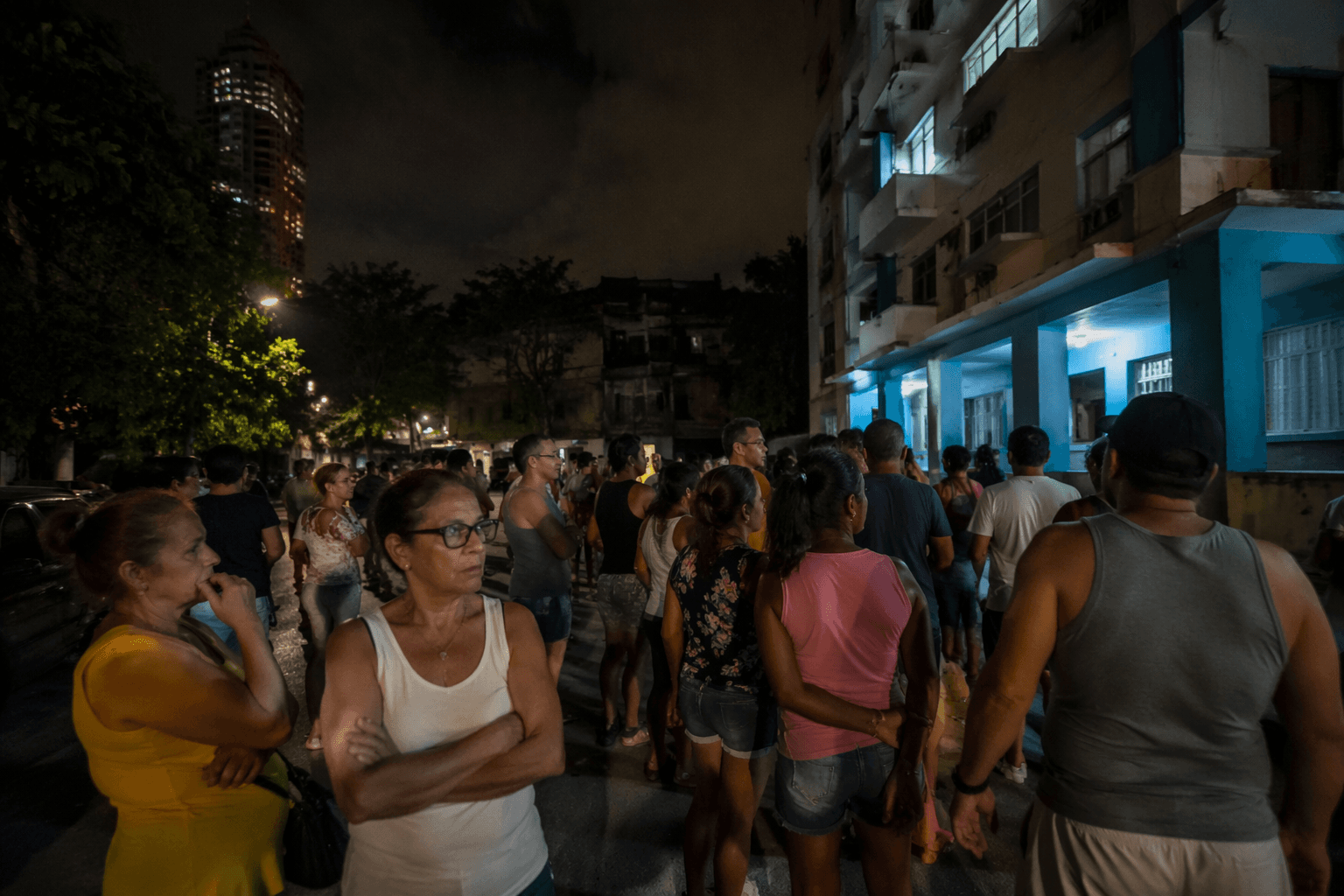
The immediate fallout has already started to spread. Blue Diamond Resorts of Canada and Iberostar of Spain have severed ties with GAESA-linked and sanctioned hotels, and Cuba’s central bank said it would suspend Visa and Mastercard transactions starting June 6 after a foreign partner cut back processing. The island is also still dealing with food shortages, diesel shortages and blackouts that can run up to 22 hours a day, a reminder that the sanctions fight is landing on top of a crisis Cubans were already living through.
That is the real split inside the GAESA debate. Havana says the conglomerate is a shield against U.S. pressure, while Washington says it is the core of a military-backed economic system. For Cubans trying to get paid, book a room or keep the power on, the difference is not ideological at all. It is the price of the model.
This article was produced by Prism’s automated news system from verified source data, official records, and press releases, then run through automated quality and moderation checks before publishing. The system is built and supervised by the people who set the standards it runs under. Read our full AI policy.
Know something we missed? Have a correction or additional information?
Submit a Tip