Díaz-Canel touts Jusvinza as experts warn of shortages, chronic chikungunya
President Díaz‑Canel touted Jusvinza for chronic chikungunya while doctors warn shortages of anti-inflammatories, physiotherapy and vector-control capacity threaten patient care.

President Miguel Díaz‑Canel on January 21 said early work with the biotechnological drug Jusvinza showed "encouraging results" for post-acute and chronic chikungunya symptoms, but medical practitioners and independent observers caution the trials are preliminary and the health system faces gaps that could blunt any benefit.
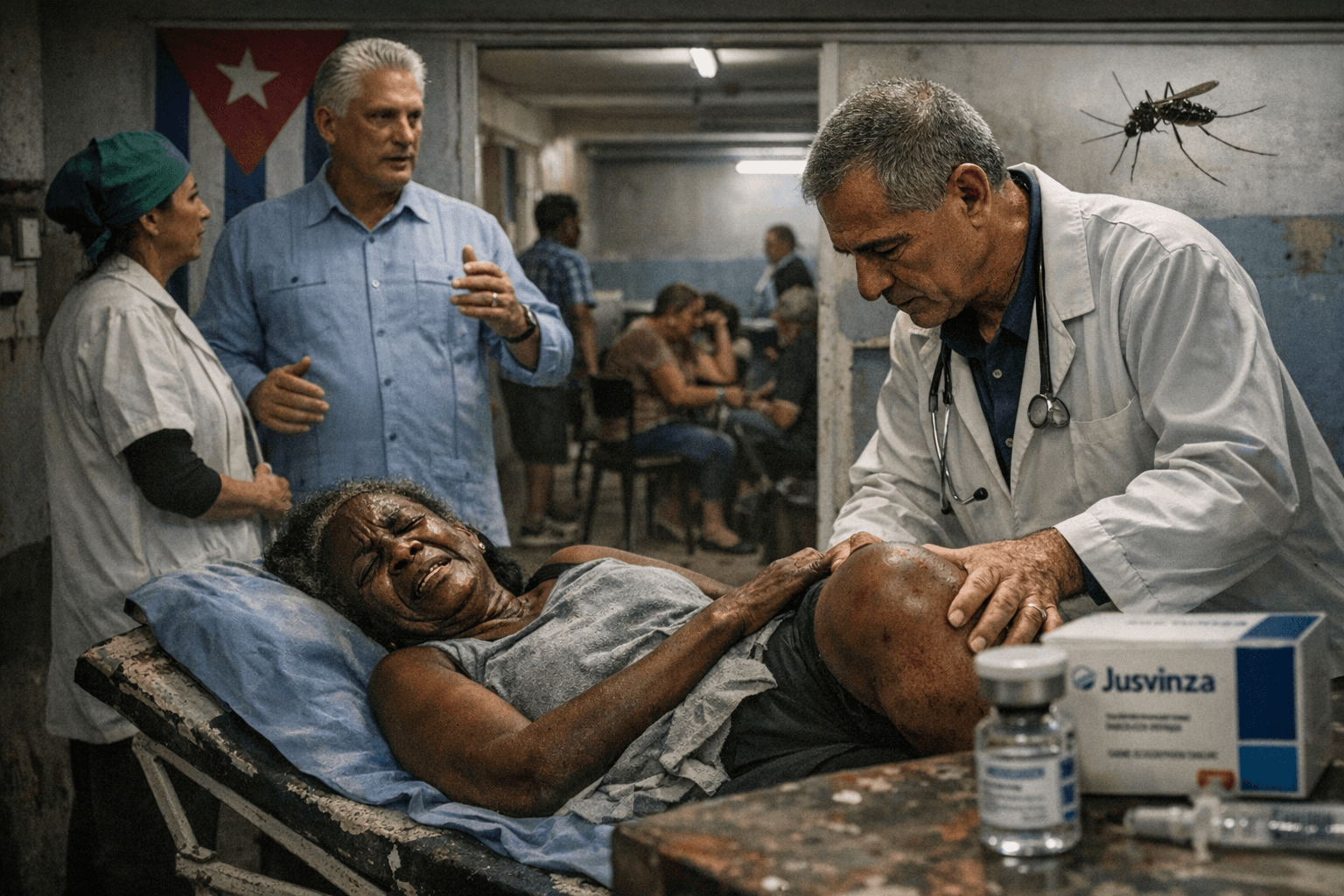
Health professionals report shortages of key anti-inflammatory medicines, limited physiotherapy capacity in polyclinics and consultorios del médico de la familia, and constrained supplies of insecticide and vector-control resources. Those shortages come as clinicians say a non-trivial percentage of chikungunya patients develop persistent joint inflammation that can last months and create longer-term needs for pain management, rehabilitation and social support.
The announcement of promising trial signals raises immediate questions about access. If Jusvinza progresses to wider use, demand could quickly outstrip supply given current stock levels and logistical bottlenecks in distribution to municipal clinics. Local doctors warn that without steady supplies of nonsteroidal anti-inflammatory drugs, corticosteroids where appropriate, and sustained physiotherapy, patients with chronic symptoms risk prolonged disability even if a new drug reduces some inflammatory markers.
Vector control remains central to preventing new cases. Public-health teams report reduced capacity to maintain consistent insecticide application and door-to-door source reduction, increasing the importance of household measures: eliminating standing water, repairing screens, and using repellents. For readers managing symptoms, early engagement with your local consultorio and municipal polyclinic can speed referrals to physical rehabilitation when available and help secure prescriptions if stocks exist.
Researchers emphasize the trials are in a preliminary phase and that broader, peer-reviewed data are needed to confirm safety and efficacy across diverse patient groups. In the meantime, clinics face the twin pressures of treating acute febrile illness and addressing post-acute sequelae that strain family caregivers and community services. Economically, prolonged joint impairment reduces work capacity for affected adults and increases demand on already-limited social-care networks.
What this means for readers is practical: monitor supply notices at your local farmacia, seek physiotherapy sooner rather than later if you have persistent joint pain, and continue vector-control measures at home to lower transmission risk. Watch for official trial results and distribution plans for Jusvinza; how the drug is rolled out will determine whether the initial promise translates into greater relief for people living with chronic chikungunya.
Know something we missed? Have a correction or additional information?
Submit a Tip