Deported Cuban Describes Being Sent to Eswatini Without Lawyer or Consent
A deported Cuban says U.S. authorities sent him to Eswatini "without a lawyer, without anything," describing detainees treated like cargo in a third-country transfer program.
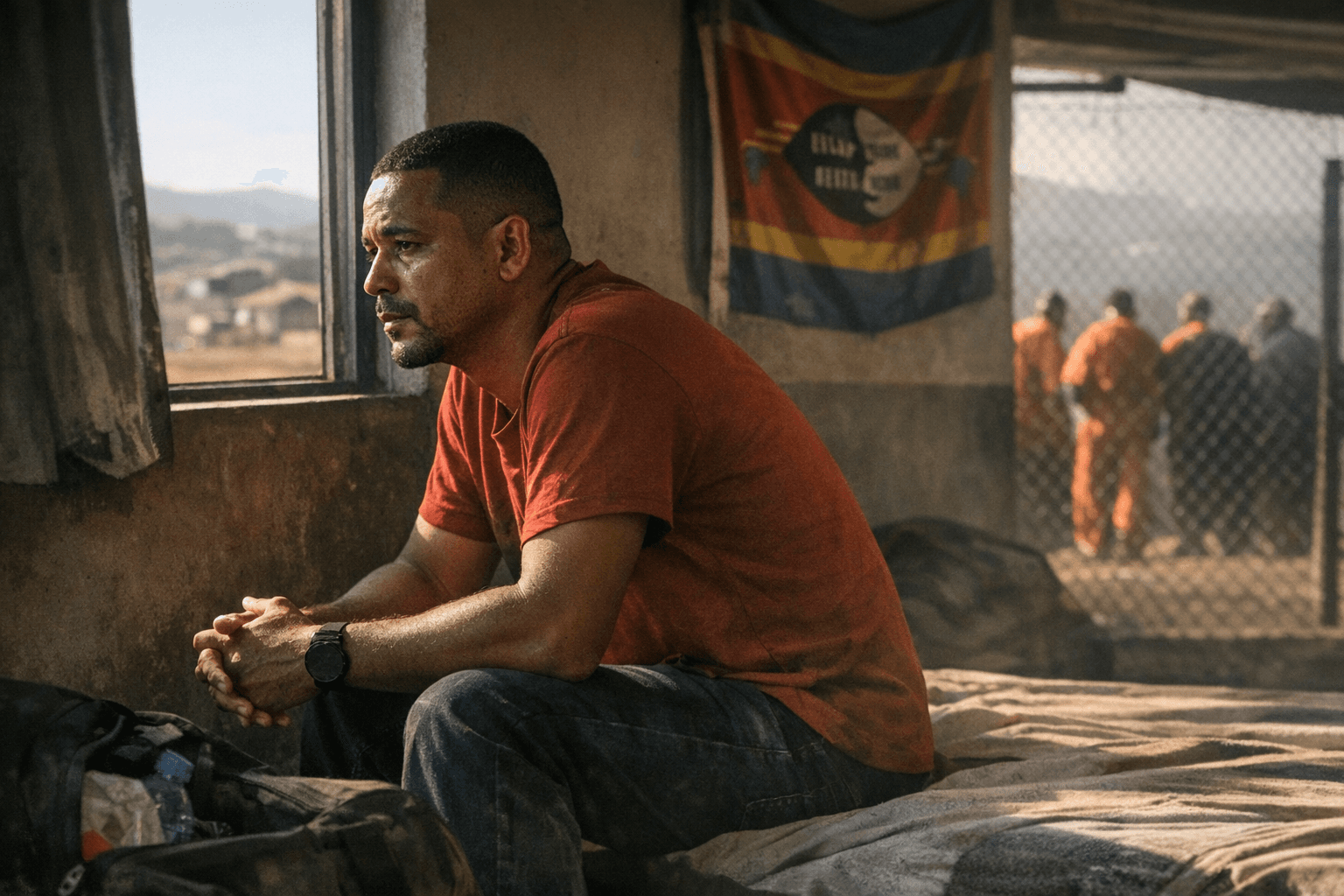
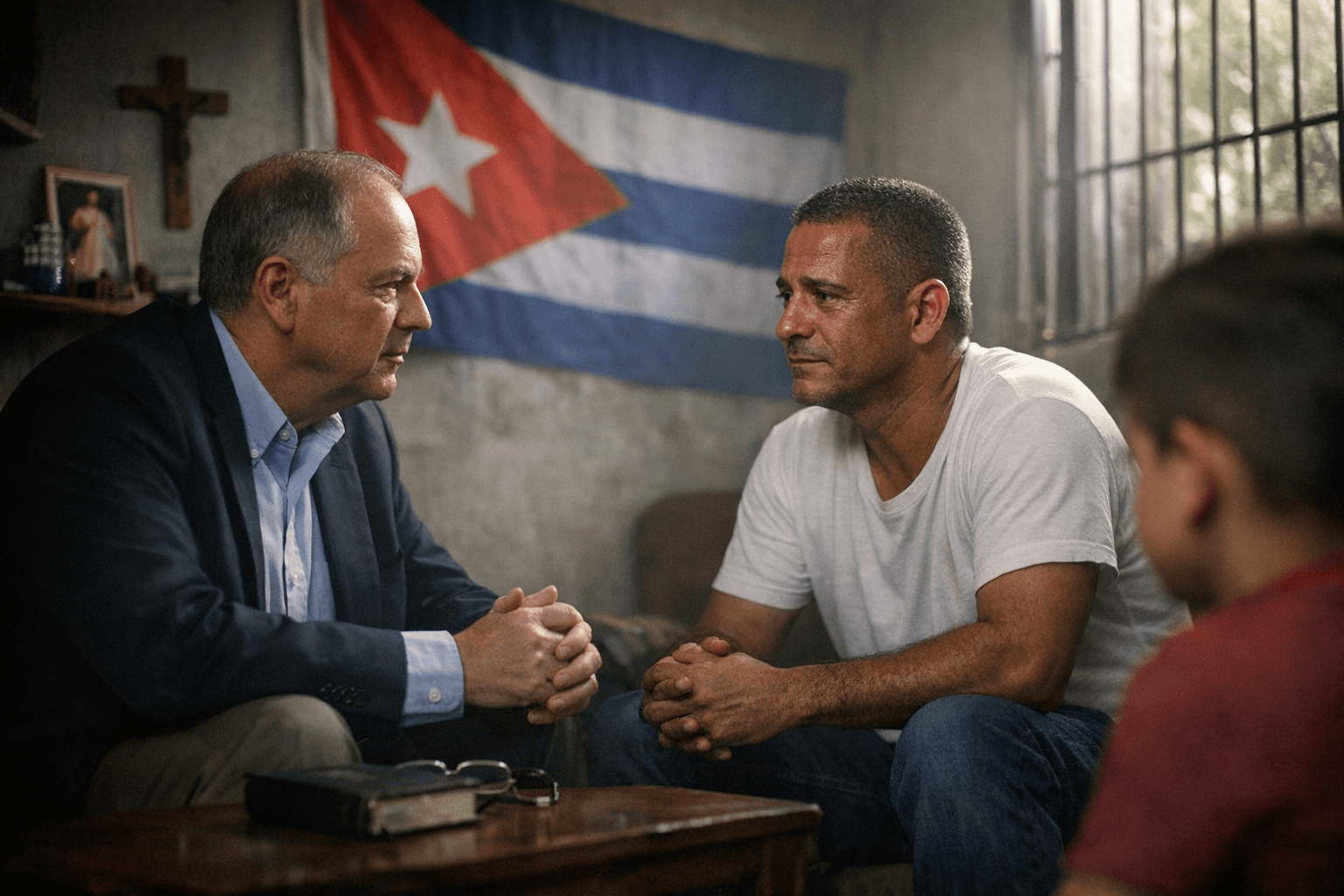
A Cuban man deported from the United States described being flown to the Kingdom of Eswatini in southern Africa with no legal representation and no choice in destination, telling viewers in a video posted to Instagram that U.S. authorities treated detainees as cargo. "They sold us like merchandise," he said, in remarks that spread rapidly across social media.
The video surfaced on the Instagram account of Raúl Hernández, known online as @dadecountyraul, and showed the deportee recounting his transfer in detail. He said detainees were moved "without a lawyer, without anything" and were effectively being coerced into seeking asylum in a country where they had no personal ties and did not speak any local languages. He also said he had already completed a prison sentence in the United States, making his continued detention and forced transfer to a third country, in his view, an illegal extension of punishment.
The account fits a pattern documented under the Trump administration's third-country transfer program, which began routing migrants, including people with criminal records from Latin America and the Caribbean, to African nations and other countries willing to accept them. Flights to Eswatini and similar destinations were reported as early as mid-2025 and continued into 2026. Human rights advocates have criticized the program on the grounds that receiving countries often have weak legal infrastructure and no meaningful connection to the migrants being sent there.
Eswatini, a small landlocked monarchy in southern Africa, has itself become a focal point for rights litigation. Courts there have issued rulings granting deported migrants access to lawyers after months in detention without counsel, a development that suggests the legal battles over this program are now playing out not only in U.S. federal courts but in the judicial systems of receiving nations.
For Cuban families and diaspora organizations in the United States, the case crystallizes fears that have been building since the program accelerated: that Cubans who entered the U.S. years ago, served sentences, and built lives could suddenly find themselves detained in countries they had never heard of, with no consular support and no clear legal recourse. Cuba's government does not maintain the kind of bilateral agreements with the U.S. that would facilitate repatriation under normal deportation channels, which is precisely why third-country transfers became an option for immigration officials handling Cuban nationals.
The deportee's testimony raises two specific legal questions that advocates say remain unanswered by Washington: whether indefinite detention in a third country after a completed sentence is constitutional, and whether compelling someone to apply for asylum in a nation with which they have no connection satisfies international refugee law. Neither question has been definitively resolved, and the Eswatini cases are building a record that litigators on both sides of the Atlantic are already watching closely.
Know something we missed? Have a correction or additional information?
Submit a Tip