Economist Proposes Privatization, US Grand Bargain to Revive Cuba's Economy
Economist Richard Feinberg urges Cuba to privatize state enterprises and strike a deal with Washington, as 1.5 million Cubans have fled since 2019 and the island ages rapidly.
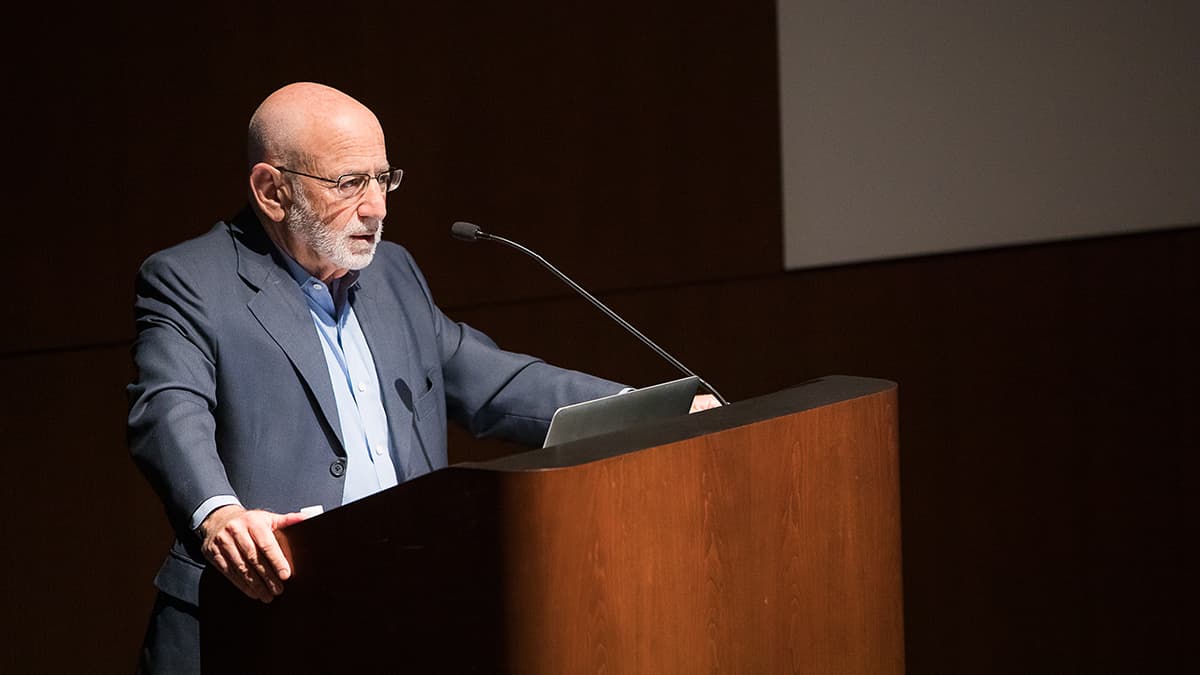
Richard Feinberg, a professor at UC San Diego's School of Global Policy and Strategy and former Latin America adviser to the Clinton White House, published a sweeping reform blueprint for Cuba's economy, arguing the island cannot survive its current crisis without simultaneous internal liberalization and a negotiated settlement with Washington.
Writing in Bloomberg, Feinberg described an economy squeezed between two mutually reinforcing forces: a Trump administration deploying an oil blockade aimed at regime change, and a Cuban Communist Party unwilling to abandon state-led management of an already exhausted economy. His framework envisions Cuba privatizing state enterprises and settling outstanding U.S. property claims as the centerpiece of a broader diplomatic bargain that would unlock sanctions relief and reopen access to international capital markets.
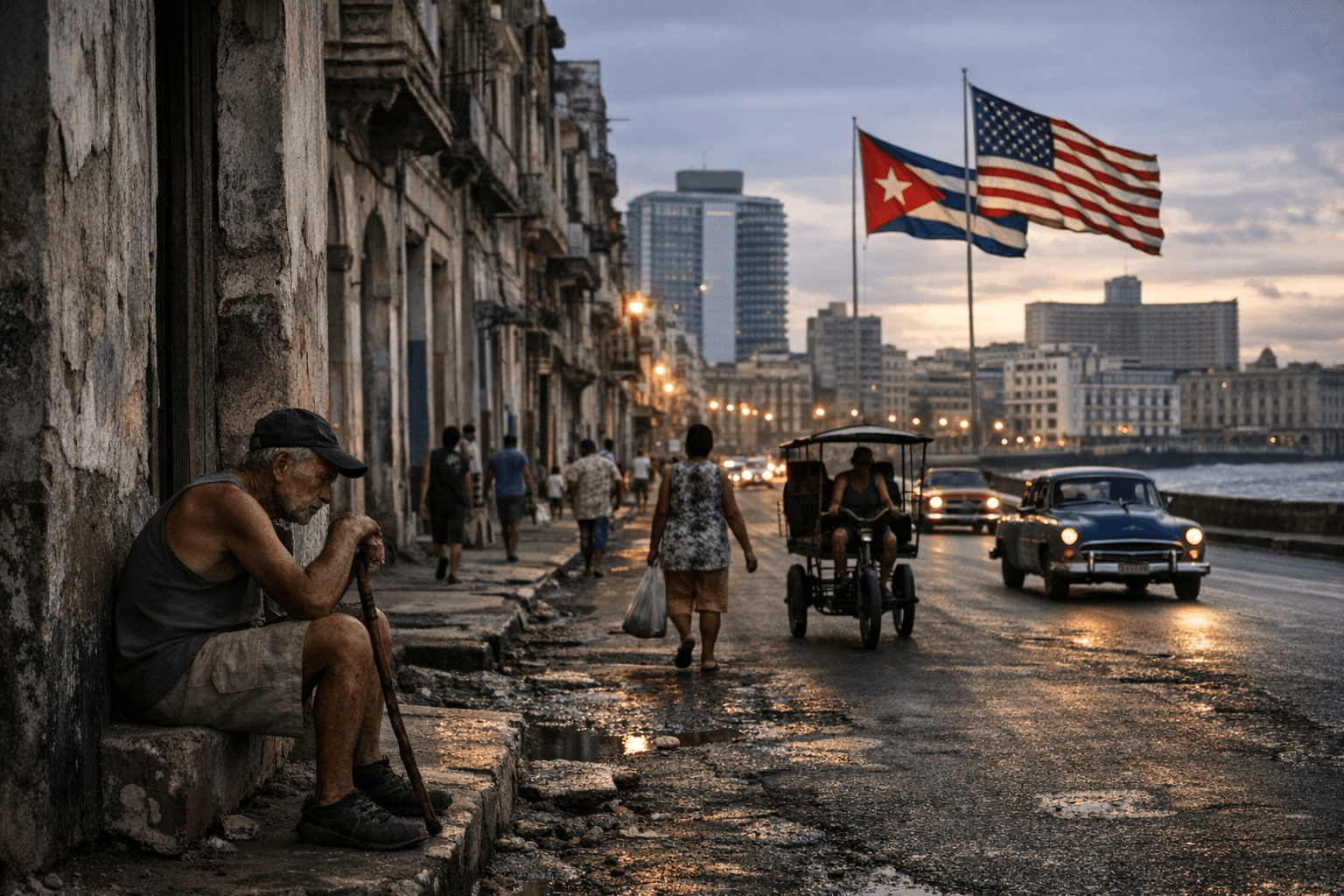
The human toll behind the economic collapse gives Feinberg's argument its sharpest edge. Since 2019, at least 1.5 million Cubans, roughly 15 percent of the population, have left the island. That emigration wave, compounded by a low fertility rate, has left Cuba with one of the oldest populations in Latin America: approximately one in four Cubans is now older than 60. The workforce the island would need to execute any recovery plan is, in significant measure, gone.
Critics of Feinberg's roadmap push back on whether economic restructuring alone can generate investor confidence. The core objection is that without meaningful political opening, foreign capital will treat Cuban privatization the same way it has treated other state divestments on the island: with deep skepticism and short time horizons. On that point, the debate among Cuba watchers is unresolved. Feinberg's argument is that the economic case for reform is now undeniable regardless of political conditions, and that a US grand bargain could provide the external anchor that domestic politics cannot.
The proposal lands as Cuba's government has officially projected just 1 percent GDP growth for 2026, a figure met with widespread derision even inside the island. Whether Havana's leadership treats Feinberg's framework as a genuine off-ramp or as another unwanted foreign prescription will define the terms of Cuba's next chapter.
This article was produced by Prism’s automated news system from verified source data, official records, and press releases, then run through automated quality and moderation checks before publishing. The system is built and supervised by the people who set the standards it runs under. Read our full AI policy.
Did this article answer your question?