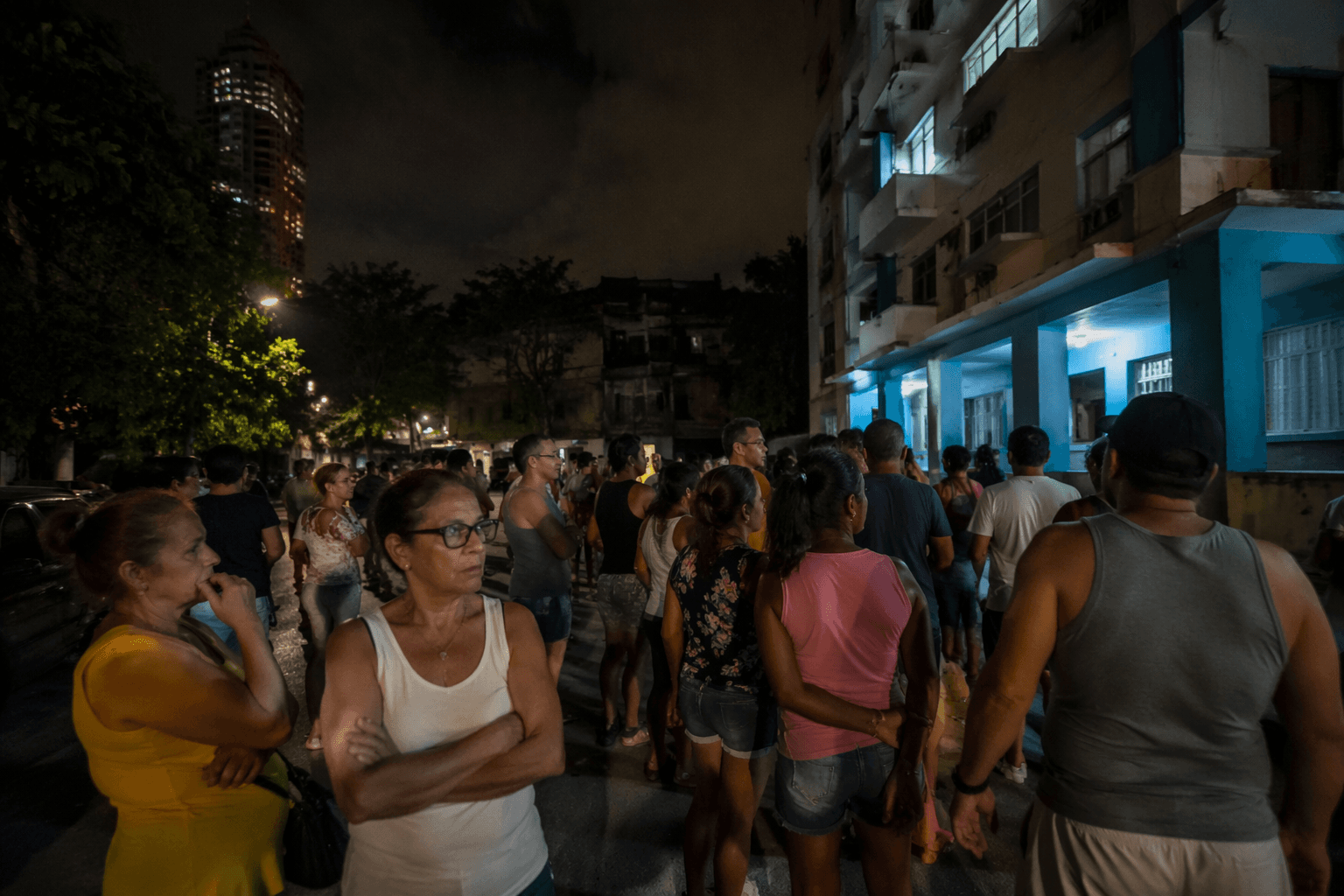
El Estornudo, Cuba’s first independent magazine, faces state harassment
El Estornudo launched as Cuba's first independent magazine, then state security isolated and interrogated its founders. The backlash shows how quickly independent reporting becomes a political threat.

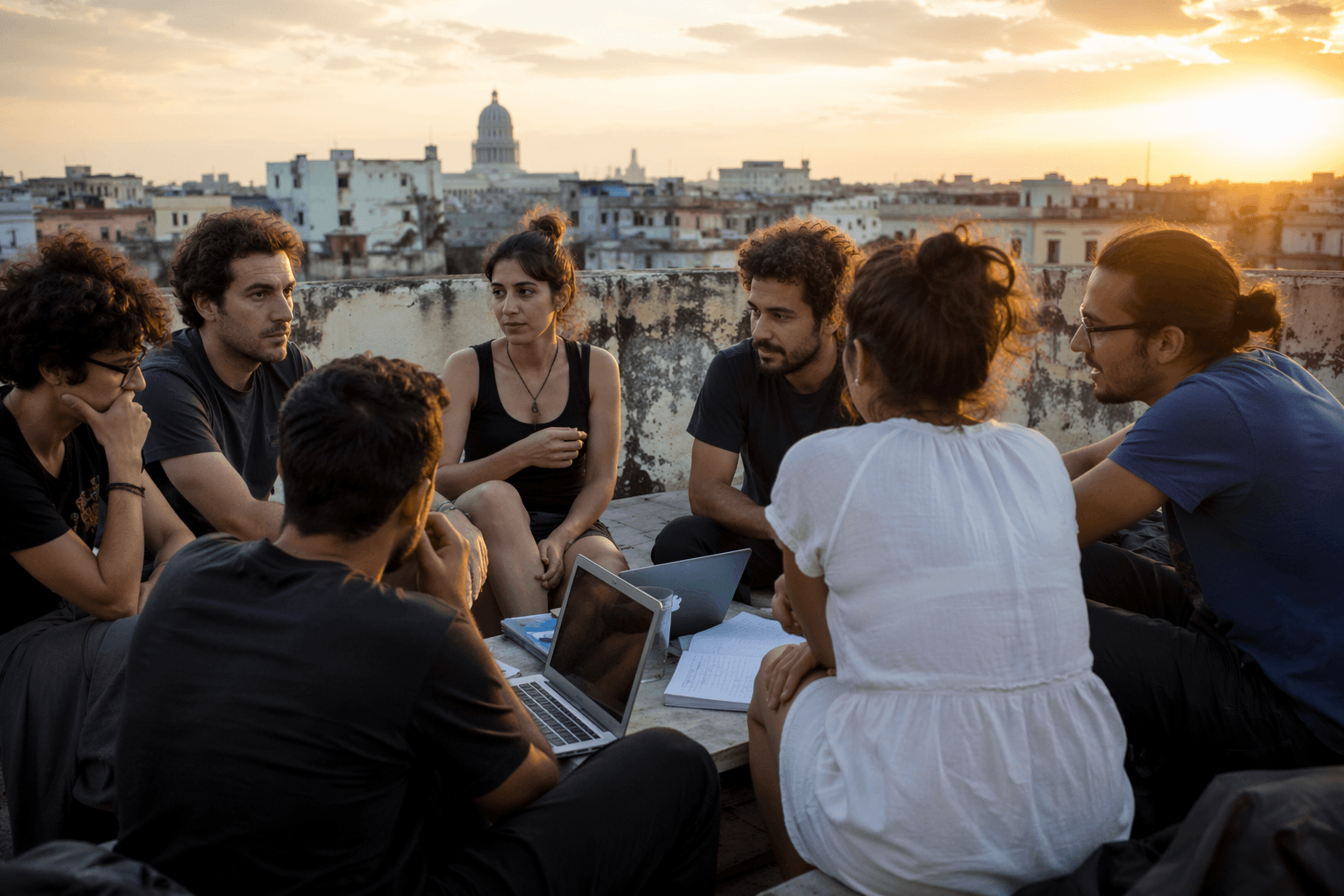
El Estornudo began as a refusal to let Cuba’s story be written only through official channels. Founded in 2015 and launched on March 14, 2016, the magazine described itself as a Cuban independent magazine of narrative journalism, built by Abraham Jiménez Enoa and Carlos Manuel Álvarez to tell Cuban life without state interference.
That mission mattered because the opening for independent reporting in Cuba was narrow from the start. LatAm Journalism Review notes that independent journalism expanded after mobile internet became more widely available in 2018, and El Estornudo leaned into that change. Its own site says the outlet is made from Cuba and from outside Cuba, mostly about Cuba and Latin America, a transnational setup that helped it publish beyond the old state media monopoly.
Once the magazine started to matter, the response turned punitive. The account of its rise says the founder was isolated, monitored and interrogated by state security. That sequence is the point: when a magazine stops being symbolic and starts reaching Cuban readers with uncensored reporting, the state treats it less like a cultural experiment and more like a political problem.
Reporters Without Borders says Cuba remains the worst country for press freedom in Latin America. RSF also says the Cuban constitution treats media as state property and prohibits private ownership, which leaves independent outlets outside official protection and inside a gray zone of pressure and fear. The organization says the space for independent online media that briefly opened since 2021 has gradually closed.
That squeeze became more visible after Cuba’s Social Communication Law took effect on October 4, 2024. RSF reported that at least 11 journalists were summoned, interrogated and forced to resign during a recent crackdown under the law, and the Committee to Protect Journalists said on February 10, 2026, that two content producers from El 4tico were detained in eastern Cuba. The message to editors and reporters was plain: even modest coverage can trigger state security, police and professional ruin.
El Estornudo’s story is bigger than one magazine. It shows how Cuba still polices cultural space through monitoring, intimidation and legal pressure, and why independent journalism on the island so often survives only by working from Cuba and outside Cuba at once. The real significance of the launch was never just that a new magazine appeared. It was that the state moved quickly to show how little room remains for any newsroom that tries to build a public sphere it does not control.
This article was produced by Prism’s automated news system from verified source data, official records, and press releases, then run through automated quality and moderation checks before publishing. The system is built and supervised by the people who set the standards it runs under. Read our full AI policy.
Know something we missed? Have a correction or additional information?
Submit a Tip