Havana apartment building struggles through Cuba’s latest nationwide blackout
A Central Havana solar lost power, water, elevator service and refrigeration as Cuba’s latest blackout spread. The outage hit phones, food and mobility in one building.

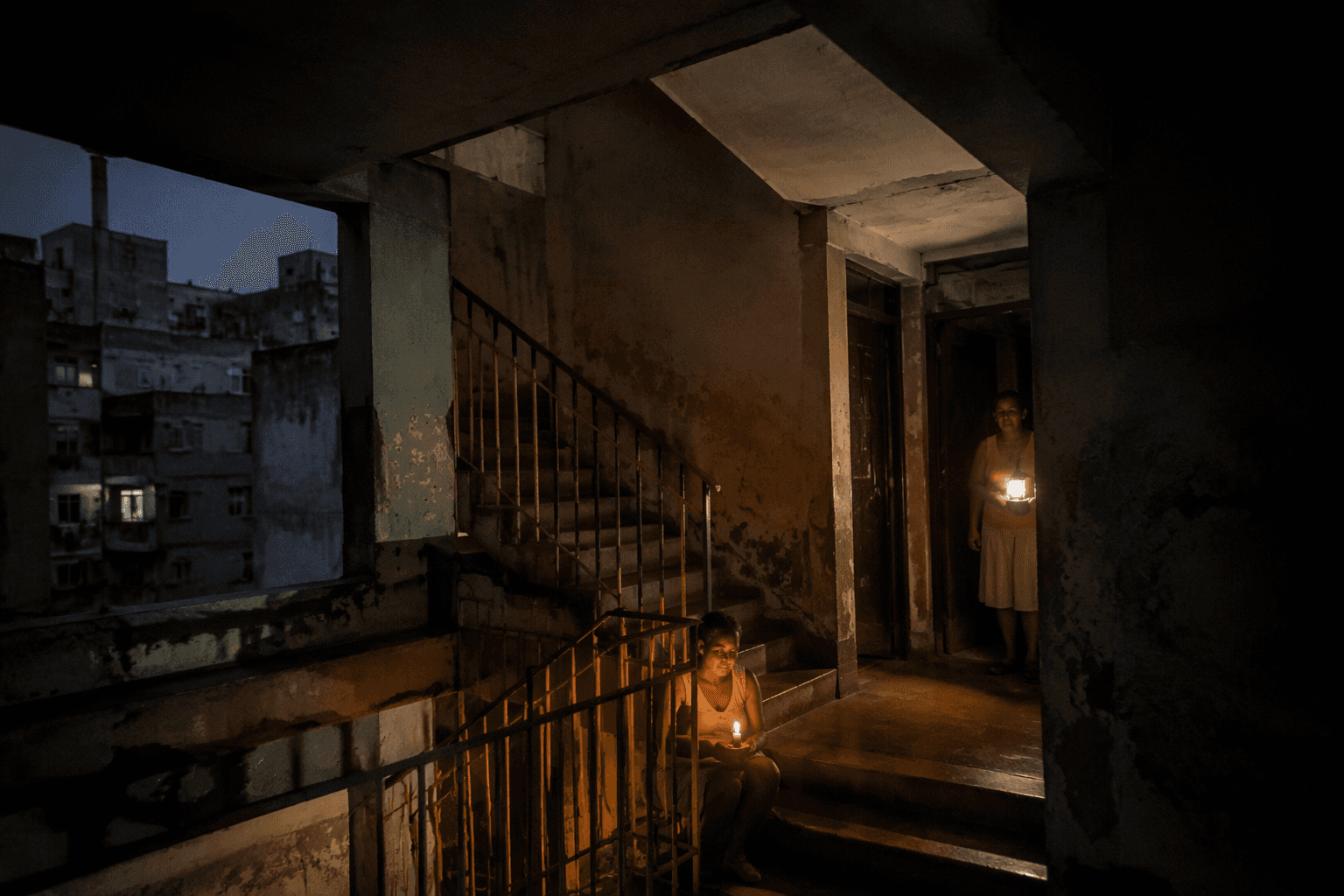
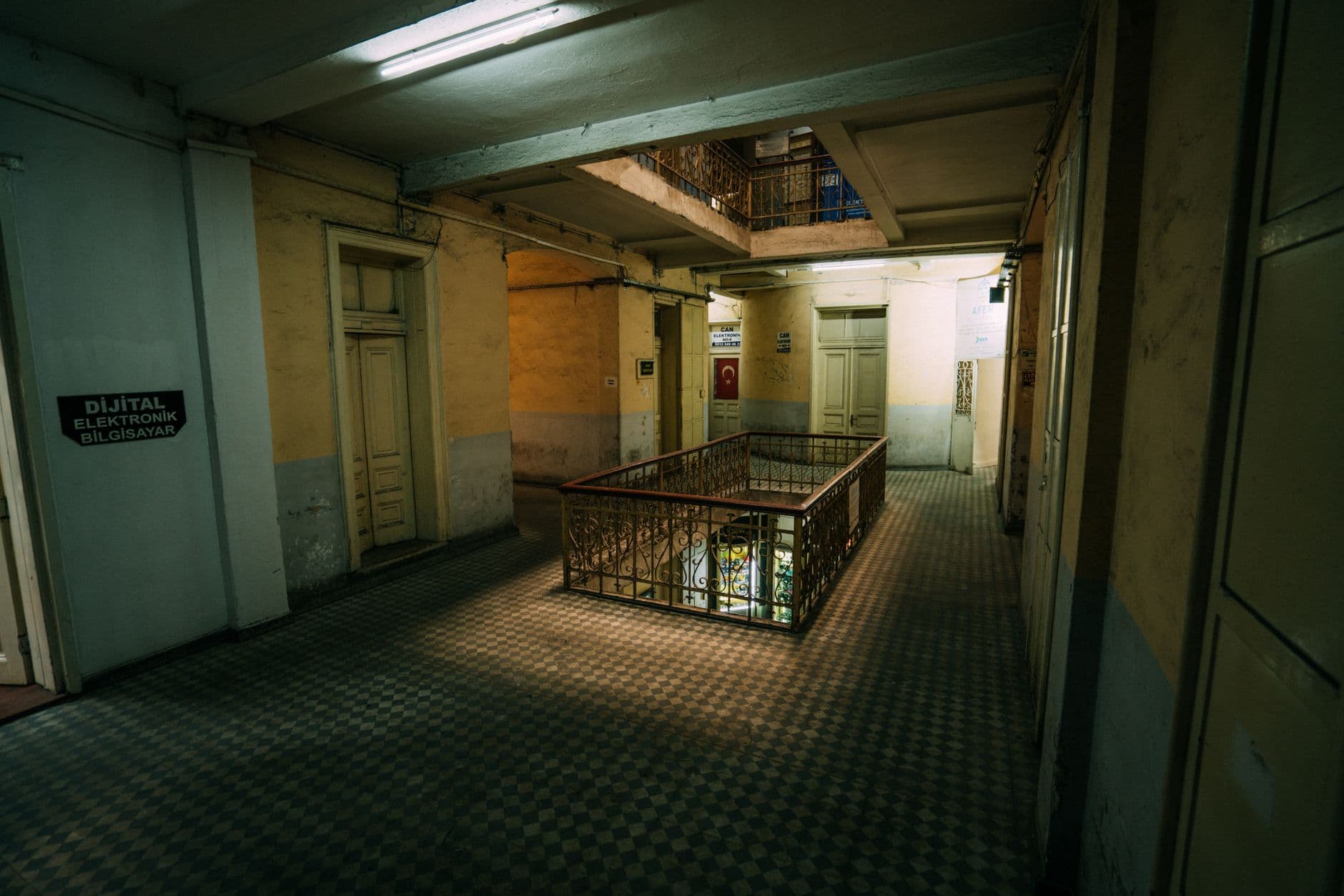
A Central Havana apartment building known in Cuba as a solar went dark as the latest nationwide blackout rolled through the city, cutting off lights, fans, elevator service and the pumps that keep water moving. Inside the building, residents had to ration battery packs, candles and the shrinking charge on their mobile phones while trying to keep food cold and check when service might return.
Without electricity, refrigeration became unreliable, water access grew uncertain and anyone living above the ground floor faced a harder climb. Older residents, families with children and people who depend on lifts or pumps were hit first, because the blackout did not stop at the socket. It reached movement, storage, connectivity and care.
Cuba suffered a total nationwide blackout on Oct. 18, 2024, and two days later Havana was entirely blacked out, with only scattered businesses, bars and homes running on small fuel-fired generators. Earlier that month, nearly half of Cuba was without power as fuel shortages and broken-down power plants worsened the outages. Another nationwide blackout followed on Dec. 4, 2024, after a failure at the Antonio Guiteras power plant in Matanzas, the island’s top electricity producer.
Internet traffic dropped sharply during the outages and restoration efforts ran into fresh setbacks as the grid faltered again. The crisis has been driven by fuel shortages, aging infrastructure and repeated grid failures, leaving the government with little margin when one plant or transmission link goes down.
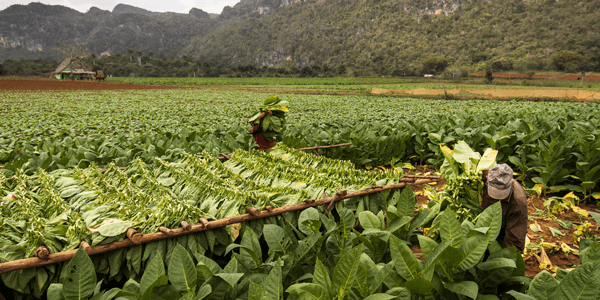
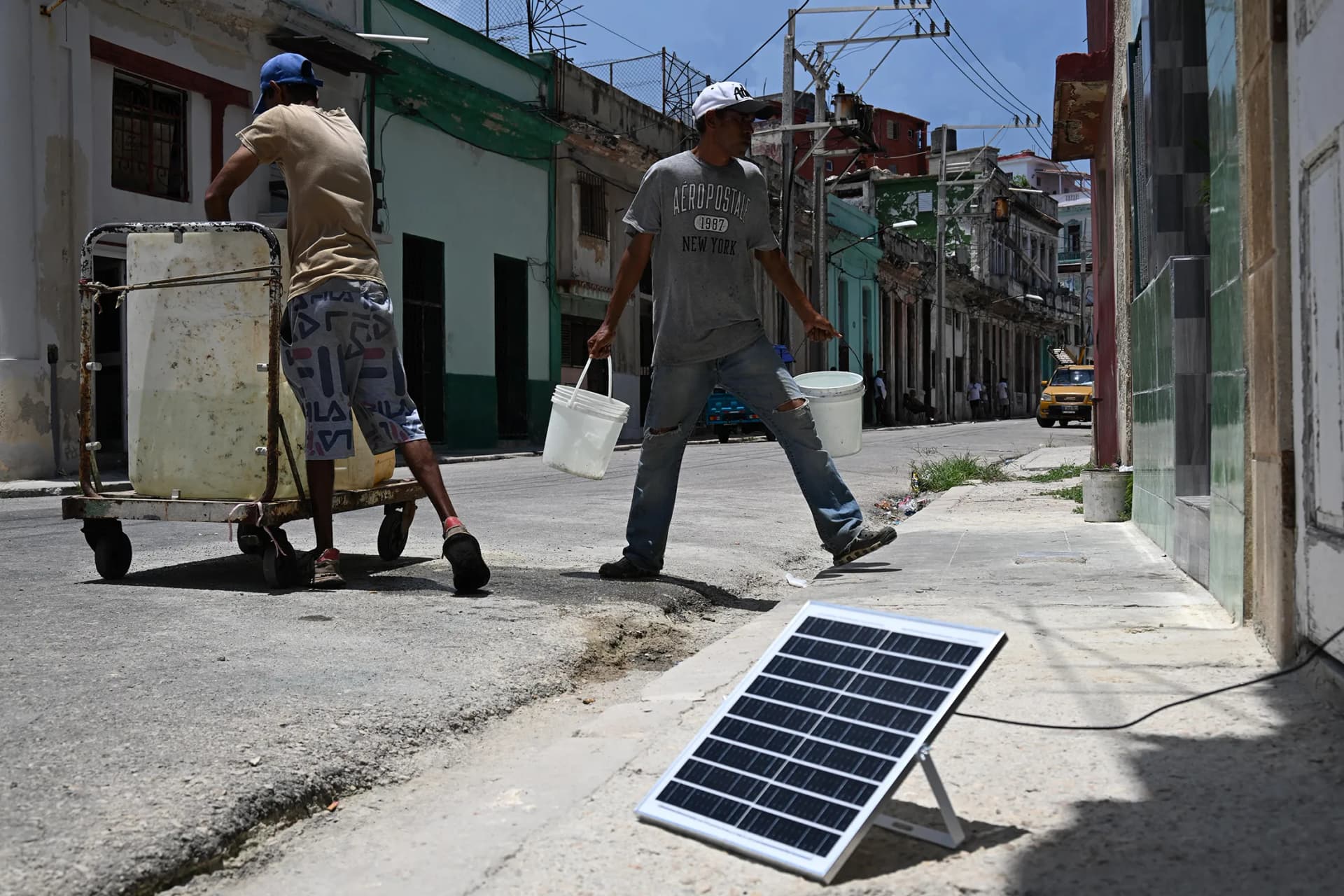
Cuban energy expert Jorge Piñón has compared the electrical system to an almendrón, the classic 1950s American cars still common in Cuba, a shorthand for machinery that is old, improvised and always under strain. For some Cubans, the answer has been solar panels, while others fall back on charcoal despite the cost and health risks.
This article was produced by Prism’s automated news system from verified source data, official records, and press releases, then run through automated quality and moderation checks before publishing. The system is built and supervised by the people who set the standards it runs under. Read our full AI policy.
Did this article answer your question?