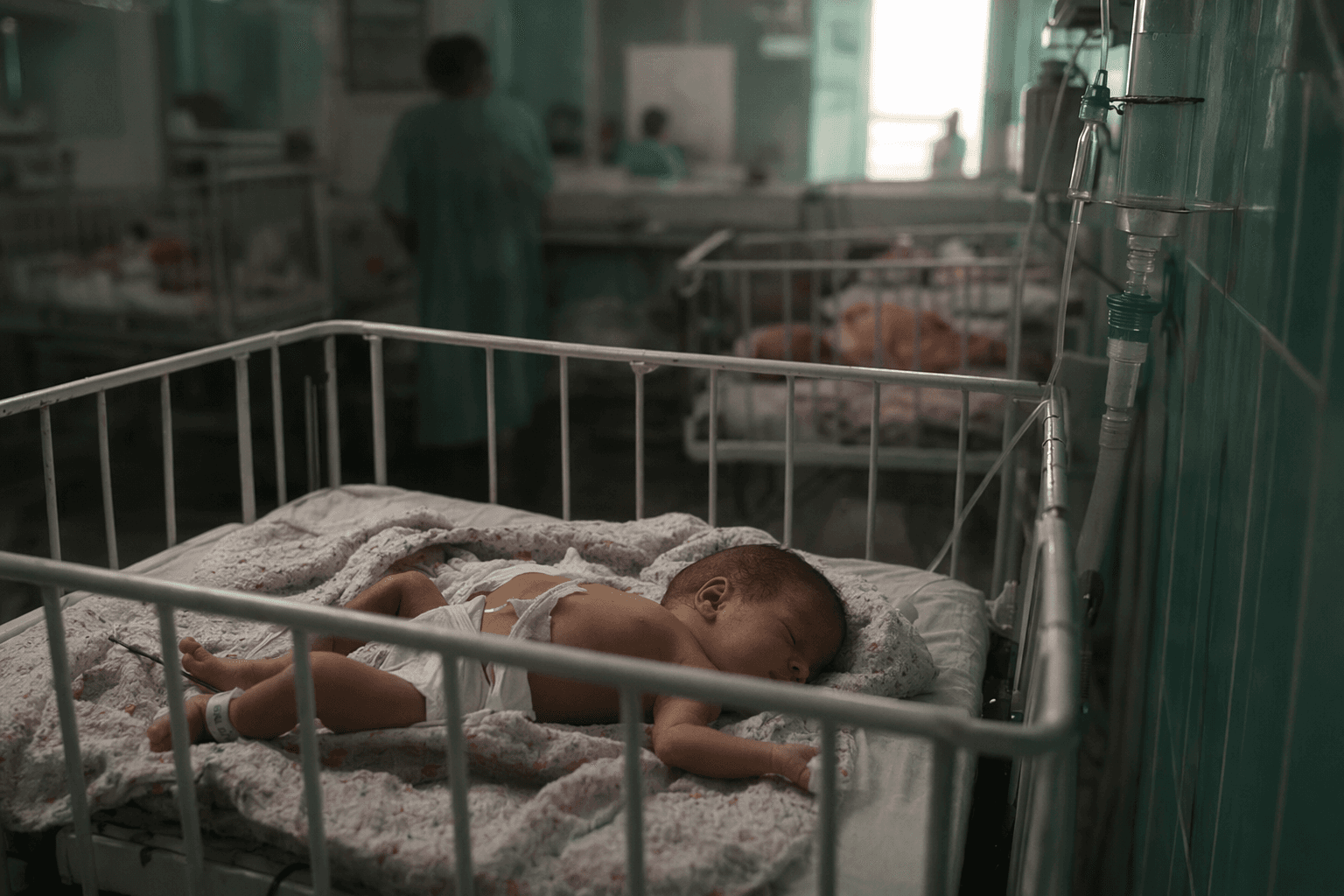
Havana in Critical Condition as Residents Report Shortages and Service Failures
Havana Times dispatches around February 20, 2026, collect diaries from the capital describing shortages and failing municipal services, with residents calling the city "in critical condition."

Havana Times published a series of dispatches and first-person pieces around February 20, 2026, assembling diaries from across the capital that described life in Havana as "in critical condition." The reporting compiled first-person testimony that centered on everyday breakdowns: pervasive shortages and disrupted municipal services, with garbage collection singled out repeatedly in the accounts.
Those dispatches and diaries documented the same pattern across multiple posts published that week on Havana Times: residents reporting empty shelves, difficulty sourcing basics, and interruptions to services they depend on daily. The pieces did not restrict themselves to a single neighborhood; rather, the collection of first-person pieces presented a mosaic of local testimony that pointed to system-wide stress throughout the capital on and around February 20, 2026.
Municipal services emerged as a focal point in the reporting. Several diary entries collated in the dispatches described interrupted garbage collection, and Havana Times editors framed those interruptions as emblematic of wider service failures. The reporting tied those municipal lapses to public-health and sanitation concerns by documenting how residents were coping in the immediate term, using firsthand detail rather than abstract diagnostics.
The Havana Times series emphasized urgency: by assembling testimony from multiple authors and dates around February 20, 2026, the dispatches made the case that shortages and service failures were not isolated incidents. The phrase "in critical condition" recurred in the pieces as a shorthand residents used to convey both the scale of the hardship and the immediacy of its effects on daily life.
For readers tracking conditions in Havana, the dispatches on February 20, 2026, offered primary-source testimony rather than a single-summary assessment. The collection of first-person pieces and diaries presented repeated, concrete complaints about shortages and about the breakdown in services such as garbage collection, leaving the capital portrayed as facing ongoing, tangible problems that residents were documenting day by day.
Know something we missed? Have a correction or additional information?
Submit a Tip