Havana residents bang pots in protest as blackouts deepen near party headquarters
Pot lids rang out in Nuevo Vedado while the lights stayed out just blocks from the Party’s Central Committee. Havana’s blackout anger landed right beside the capital’s political center.
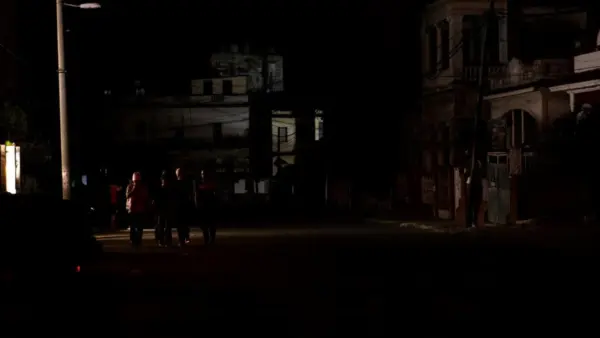
While Miguel Díaz-Canel opened the fifth Patria International Colloquium in Havana, residents of Nuevo Vedado were banging pots and pans in total darkness just a few blocks from the Central Committee of the Communist Party of Cuba. The protest, heard on Thursday night, turned a neighborhood blackout into a street-level rebuke of a state that still found the money, logistics, and foreign guests for a high-profile propaganda event.
Footage shared by activist Magdiel Jorge Castro showed darkened apartment blocks and only a few scattered lights from people running phones, generators, or solar panels. Castro captured the mood in a blunt message: “I hope Díaz-Canel listens carefully to the sound of tonight’s protest.”
The timing sharpened the contrast. The Patria Colloquium ran from April 16 to 18, 2026, and state coverage said it was dedicated to Fidel Castro in the year of his centennial. Officials framed the gathering as part of a fight against disinformation and information warfare, with panels and workshops on media and sanctions. Among those named in official coverage were Roberto Morales Ojeda and Bruno Rodríguez Parrilla, and Russian Foreign Ministry spokeswoman Maria Zakharova sent a message to participants.
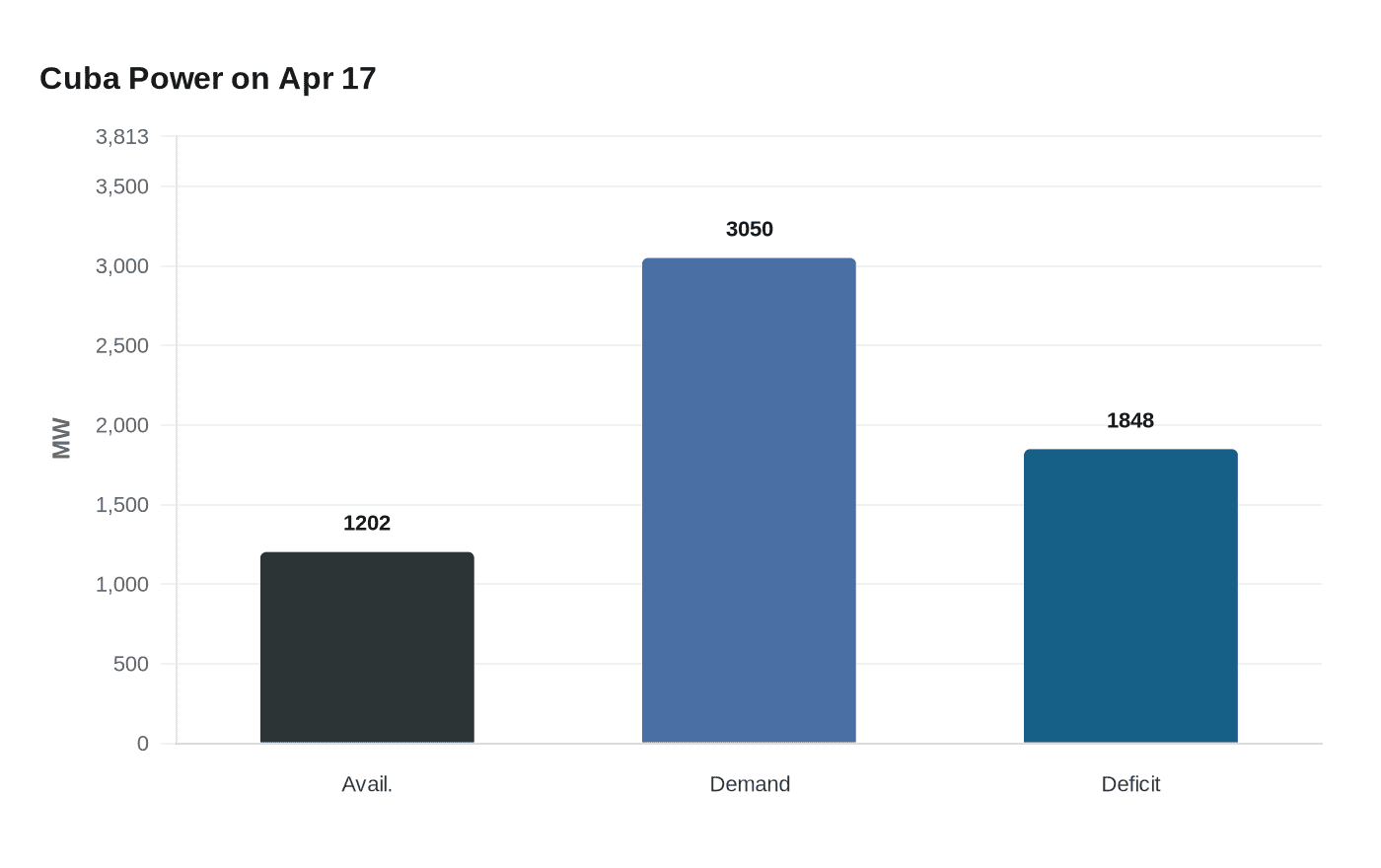
At street level, the electricity crisis was doing what official rhetoric could not. On April 17, unofficial reporting put Cuba’s peak-night power deficit at 1,848 megawatts, with only 1,202 megawatts available against demand of 3,050 megawatts, and warned that more than 60% of the country could be without electricity. Another report said roughly half the country still had no power even after partial restoration.
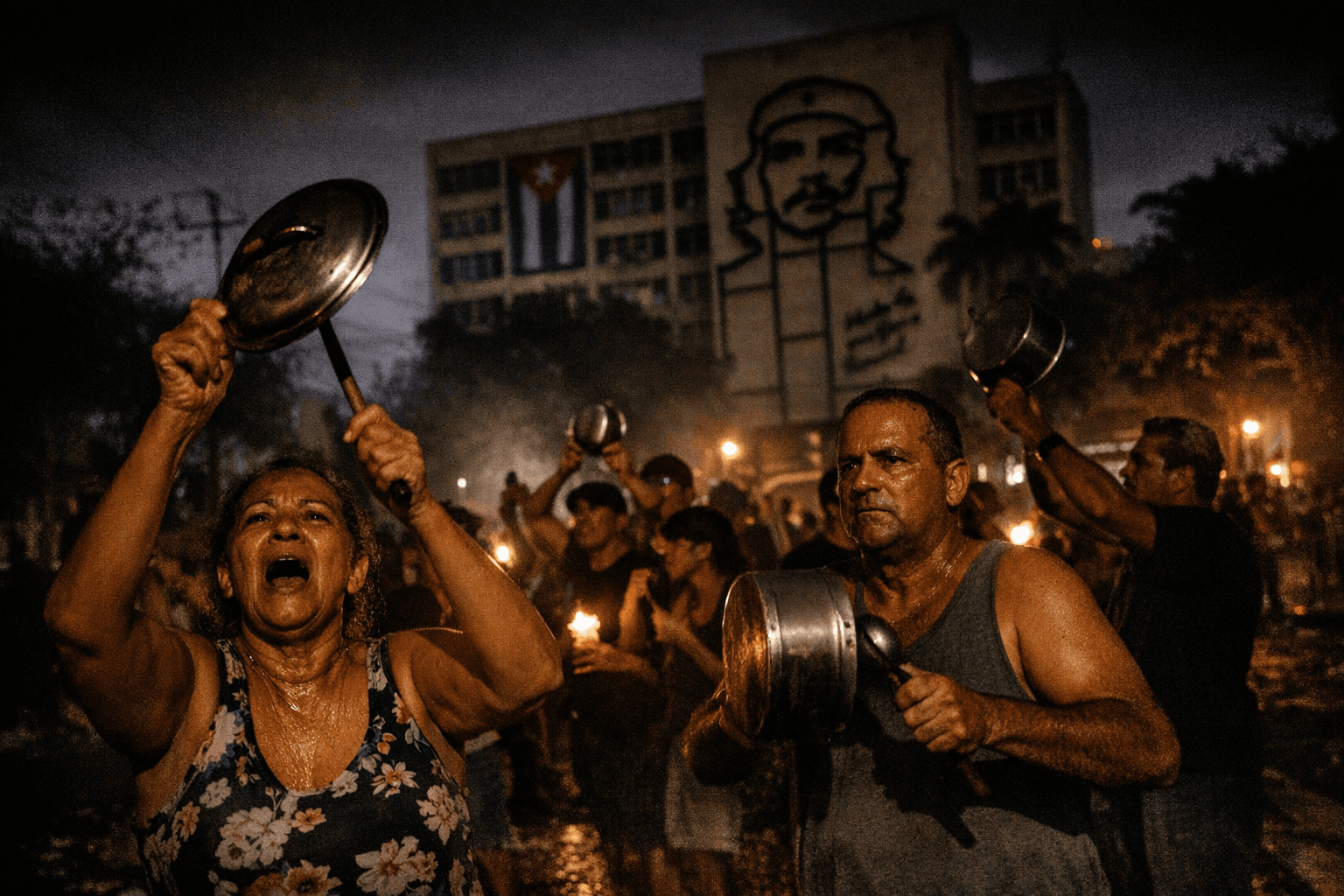
The outage in Nuevo Vedado was part of a deeper collapse that has become routine for many Cubans. The island suffered a total nationwide blackout on March 16, and March reporting described the blackout wave as including a sixth total blackout in the crisis. In Havana and beyond, residents have increasingly answered the darkness with cacerolazos, with similar pot-banging protests reported in Miramar, Jaimanitas, Playa, and El Vedado.
What made the noise in Nuevo Vedado so sharp was its location. The neighborhood sits close to the country’s political center, where the party can still stage conferences and welcome loyal speakers while ordinary families count hours without power. In a city where some households have been living through 30-hour outages or getting only two or three hours of electricity in a whole day, the banging pots sounded less like a flash protest than a warning that public patience is thinning fast.
This article was produced by Prism’s automated news system from verified source data, official records, and press releases, then run through automated quality and moderation checks before publishing. The system is built and supervised by the people who set the standards it runs under. Read our full AI policy.
Did this article answer your question?