U.S. DOJ, FBI aircraft heads to Havana after deadly Cuba border shootout
An FBI aircraft heading to Havana has put a deadly February shootout back in focus, with Cuba saying four men died and six were detained off Villa Clara.
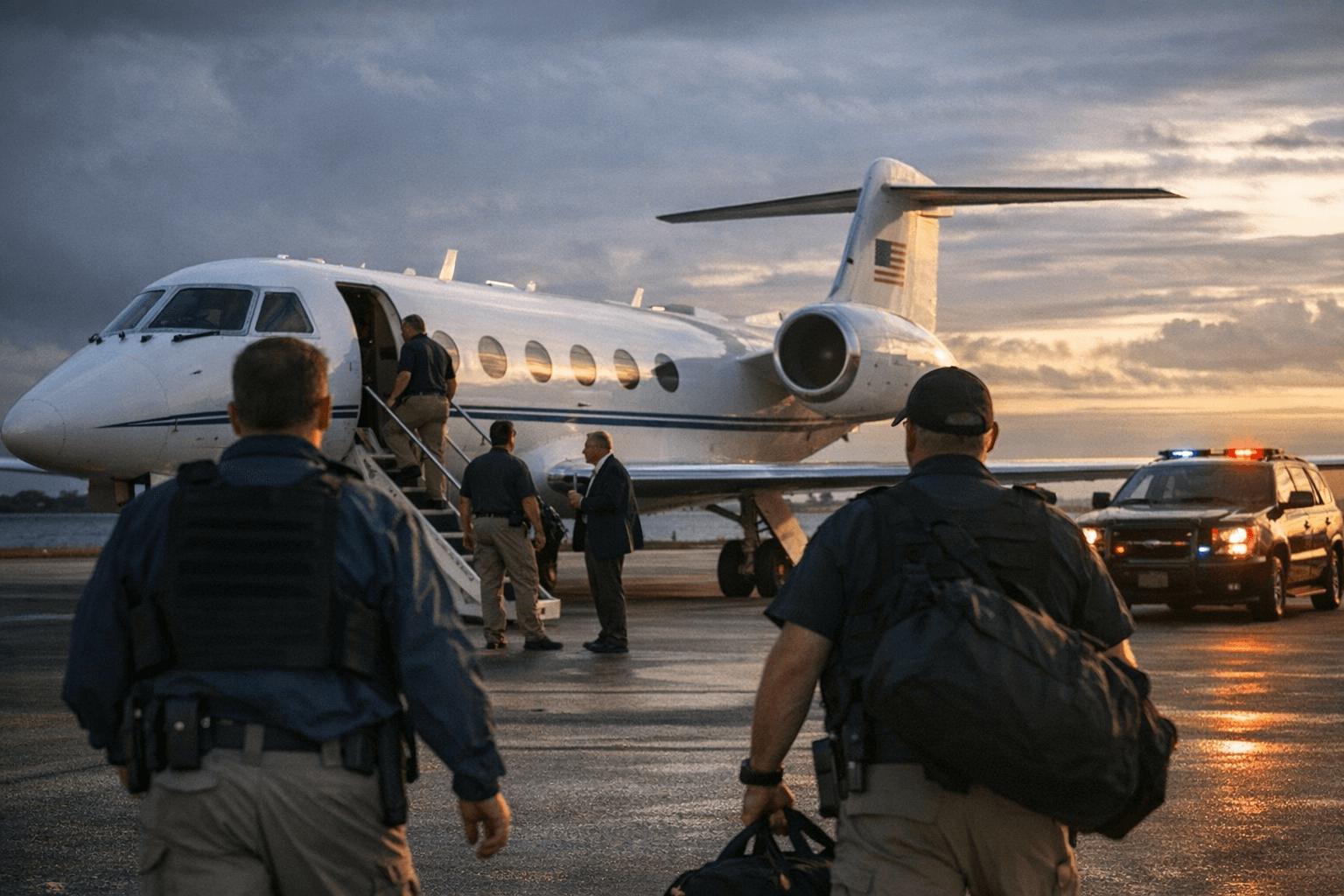
A U.S. government aircraft operated by the Justice Department and FBI was headed to Havana, a rare move that points to just how seriously Washington is treating a violent sea clash that Cuba says left four people dead and six detained off its northern coast.
Open-source flight tracking showed the aircraft moving toward Cuba after the U.S. Embassy in Havana said on April 1 that an FBI technical team had arrived for an independent investigation. The trip is unusual because open-sea shootouts involving Cuba are rare, and this case sits at the intersection of migration, security, and diplomacy at a moment when U.S.-Cuba tensions are already sharp.
The confrontation happened on February 25, 2026, in Cuban territorial waters near Cayo Falcones and the El Pino channel in Villa Clara province, about one nautical mile from shore and roughly 160 kilometers, or 100 miles, from Marathon, Florida. Cuban authorities said a five-member border guard patrol approached a Florida-registered speedboat and that the boat’s occupants opened fire from about 185 meters away, hitting the patrol commander in the abdomen. Cuban officials said the wounded commander kept the vessel moving toward the attackers, and a firefight followed at about 20 meters.
Havana said four people aboard the speedboat were killed and six were wounded and detained. Later reports put the toll at five dead and five injured, suggesting Cuban officials revised the count upward. Cuban authorities described the voyage as an attempted terrorist infiltration and said the 10 people aboard were Cuban nationals living in the United States who intended to enter Cuba for terrorist purposes.
Cuban media and later reports said authorities seized rifles, pistols, Molotov cocktails or other explosive devices, bulletproof vests, telescopic sights, and camouflage uniforms from the boat. ABC News also reported that the vessel had been reported stolen in Florida. Some reporting said at least one U.S. citizen was among the dead and another among the wounded, though that detail was not independently confirmed in the core dispatches.
The U.S. response has been careful and politically loaded. Marco Rubio said no U.S. government personnel were involved in the speedboat incursion, while also saying the Department of Homeland Security, the Coast Guard, and other U.S. elements were responding and that the embassy had requested access to the people aboard the boat. The embassy said it would verify Havana’s version of events and make decisions based on U.S. interests, U.S. law, and the protection of U.S. citizens.
The episode lands amid a wider pressure campaign on Cuba after the U.S. ouster of Nicolás Maduro on January 3, 2026, which Havana says cut off Venezuelan oil shipments and deepened its economic strain. That backdrop gives this shootout more weight than a single border case: if Washington and Havana cannot even agree on what happened in Cuban waters, the next migrant departure, interdiction, or security contact could turn just as fast.
This article was produced by Prism’s automated news system from verified source data, official records, and press releases, then run through automated quality and moderation checks before publishing. The system is built and supervised by the people who set the standards it runs under. Read our full AI policy.
Did this article answer your question?