U.S. gives Cuba two-week ultimatum on prisoners, reforms, investment access
Washington gave Havana two weeks to free top political prisoners and move on reforms, while dangling Starlink and investment access if Cuba complies.
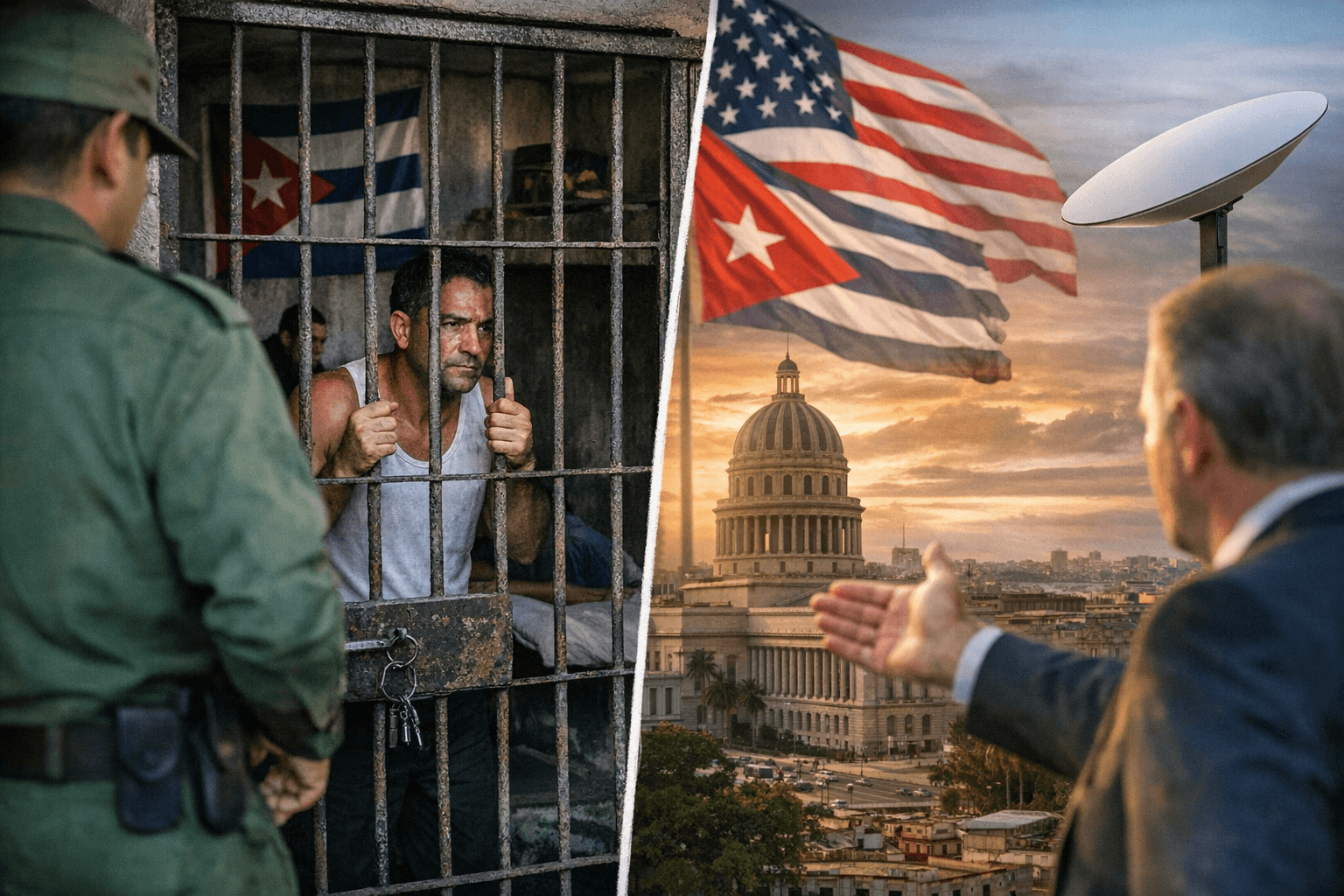
U.S. officials gave Cuba a two-week deadline in a secret April 10 meeting in Havana, pressing the government to free high-profile political prisoners, open the door to reforms, and accept consequences if it refuses. The talks, which multiple outlets said marked the first landing of a U.S. government plane in Cuba since 2016, came without Secretary of State Marco Rubio on the delegation and reportedly included Raúl Guillermo Rodríguez Castro, the grandson of Raúl Castro.
The demands went beyond prisoner releases. U.S. officials also pushed for compensation for seized American properties, greater political freedoms, and free and fair elections, while expressing concern about foreign intelligence, military, and terrorist groups operating on the island. Multiple outlets reported that the package also included help restoring internet access through Starlink, making the offer part pressure campaign, part economic opening.
The human cost sits behind the diplomacy. Among the names now driving the dispute are Luis Manuel Otero Alcántara, the dissident artist sentenced to five years who was reported to have been on a hunger strike until April 6 and remains in Guanajay prison in Artemisa, and Maykel Osorbo, sentenced to nine years and still imprisoned in Pinar del Río. Justicia 11J said on April 17 that Cuba still held 775 political prisoners, including 338 jailed over the July 11, 2021 protests that became a defining rupture in modern Cuban politics.
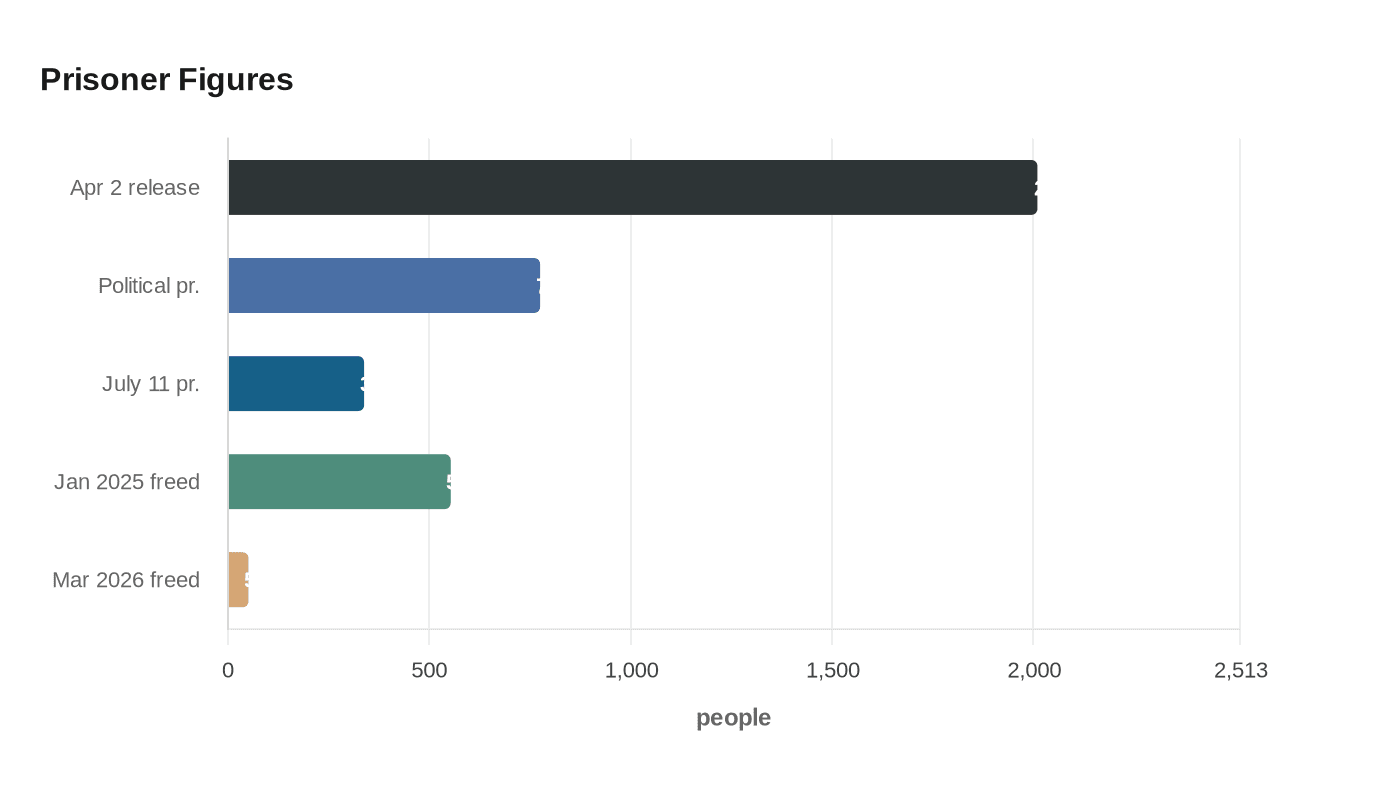
Cuba’s April 2 announcement that it would release 2,010 prisoners did little to ease the standoff. Human Rights Watch said it had not identified political prisoners among those released, and Amnesty International said the government had not published a complete official list of people granted releases or pardons. That uncertainty has kept families, activists, and exiles watching the prison issue as the clearest test of whether Havana is willing to make a real concession or simply stage a symbolic one.
The island has used prisoner releases before to ease diplomatic pressure, including 553 freed in January 2025 and 51 more in March 2026. If Havana ignores this new deadline, the immediate prize of better relations, possible internet assistance, and investment access stays out of reach, and the prisoner fight remains the sharpest fault line in U.S.-Cuba relations.
This article was produced by Prism’s automated news system from verified source data, official records, and press releases, then run through automated quality and moderation checks before publishing. The system is built and supervised by the people who set the standards it runs under. Read our full AI policy.
Did this article answer your question?