Havana Times Digest: US Immigration Protests, Rights Concerns, Reported Regime-Change Outreach
A January 23 briefing highlighted U.S. immigration protests, rising rights and press concerns, and reported outreach by U.S. officials seeking Cuban collaborators tied to plans for political change - developments that affect Cubans at home and abroad.
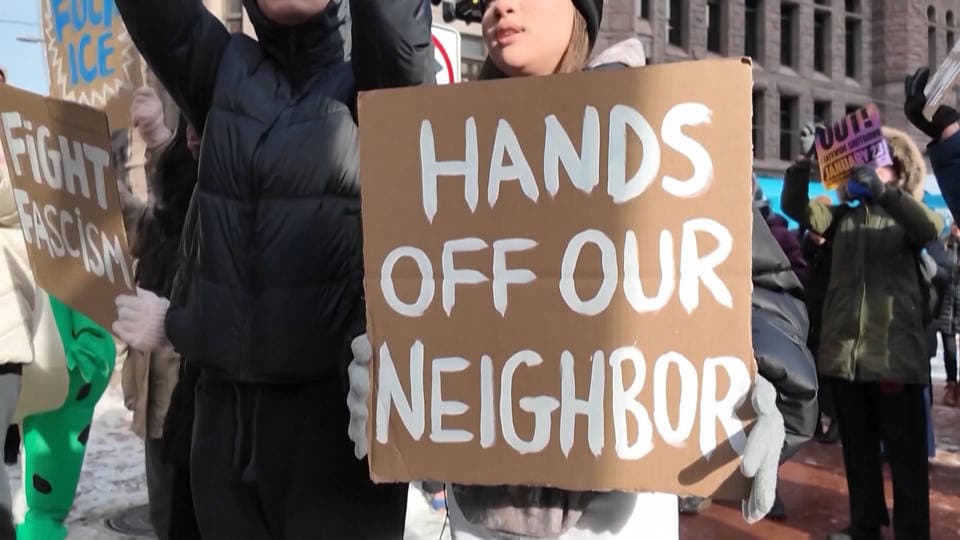
Large demonstrations over immigration policy, renewed scrutiny of press freedom and human-rights practices, and reports that U.S. officials sought Cuban collaborators linked to efforts aimed at political change in Havana were the headline items in a compact international briefing issued January 23. The package grouped U.S. domestic turmoil with geopolitical implications that matter for Cuban readers, migrants and the diaspora.
Protest activity in U.S. cities erupted after a series of immigration moves and proposals, prompting broad public mobilization and debate about enforcement, asylum access and border rules. Those demonstrations have kept migration policy at the center of U.S. politics, with potential downstream effects for Cubans seeking entry, visas or asylum in the United States. Changes at the policy level - or sustained public pressure - can alter visa processing and asylum pathways that many families in Cuba and the diaspora track closely.
Parallel coverage focused on independent press and human-rights concerns. The briefing collected signs of tightening scrutiny and legal pressure on journalists and advocacy groups, developments that carry practical consequences for information flows to and from the island. For Cubans who rely on independent reporting and cross-border communications, increased pressure on media actors abroad can make it harder to verify news, connect sources and maintain channels that support family, legal claims and remittances.
Most consequential for political and security conversations was the reporting that U.S. officials sought contacts among Cubans to discuss initiatives tied to promoting political change. That outreach, as presented in the briefing, raises immediate safety and reputational risks for activists, journalists and ordinary Cubans who might be approached. Engagement with foreign officials can expose individuals to surveillance, prosecution, or public accusation by Havana authorities, and it can intensify divisions within the Cuban community in Florida and elsewhere.
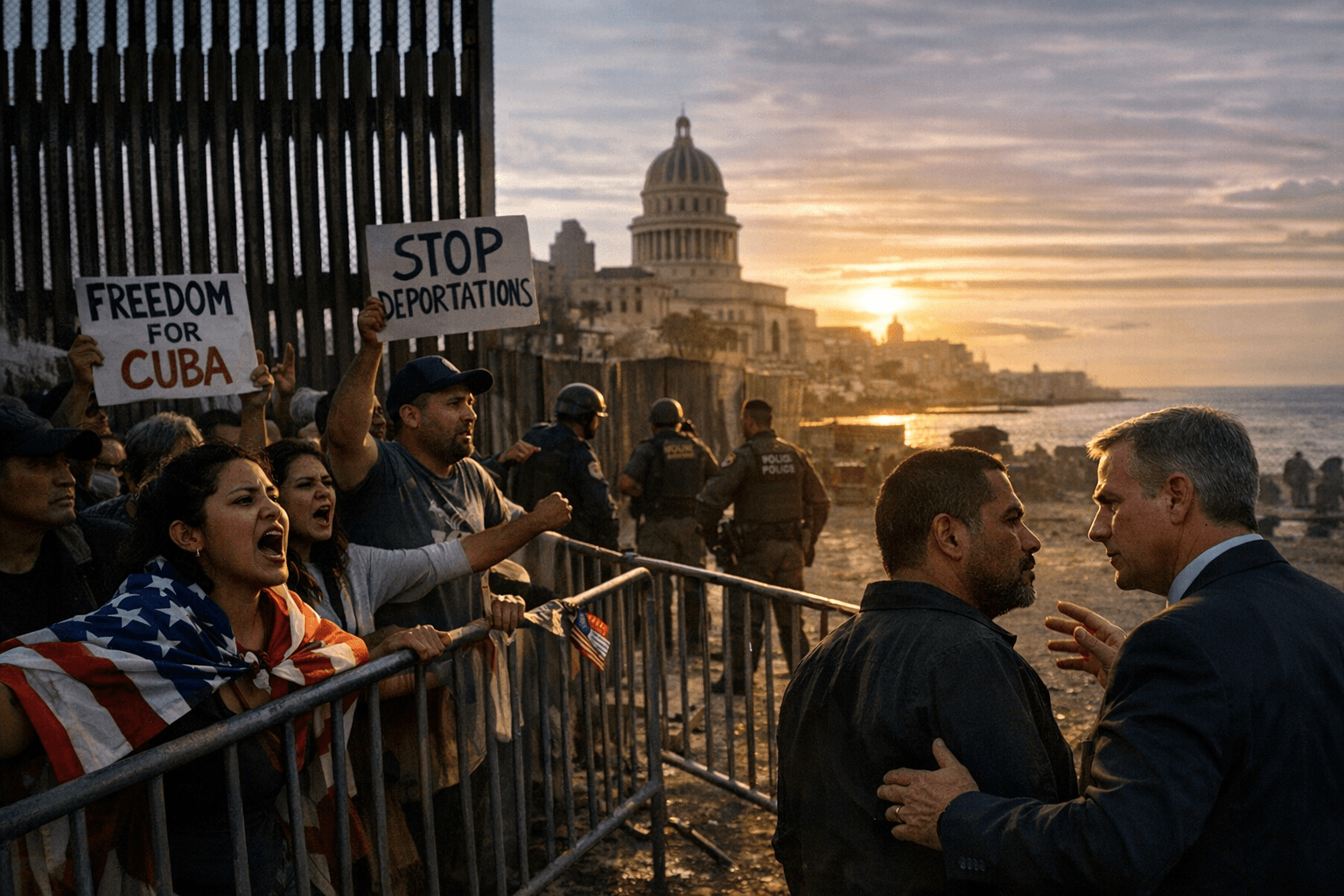
For readers in Cuba and the Cuban diaspora, the practical steps are clear: monitor official U.S. policy announcements that affect travel and asylum, corroborate information from multiple independent sources, and weigh carefully any contact with political operatives or foreign officials. Independent journalists and civil-society actors should reassess operational security and communications practices in light of heightened scrutiny.
These stories knit domestic U.S. debates to island realities. Immigration protests and policy shifts will influence movement and family reunification; pressure on independent media will shape what news reaches Cubans; and outreach tied to political-change efforts will reverberate across communities in Havana, Miami and beyond. Expect continued fallout in coming weeks as authorities, activists and the diaspora respond and adjust.
This article was produced by Prism’s automated news system from verified source data, official records, and press releases, then run through automated quality and moderation checks before publishing. The system is built and supervised by the people who set the standards it runs under. Read our full AI policy.
Did this article answer your question?