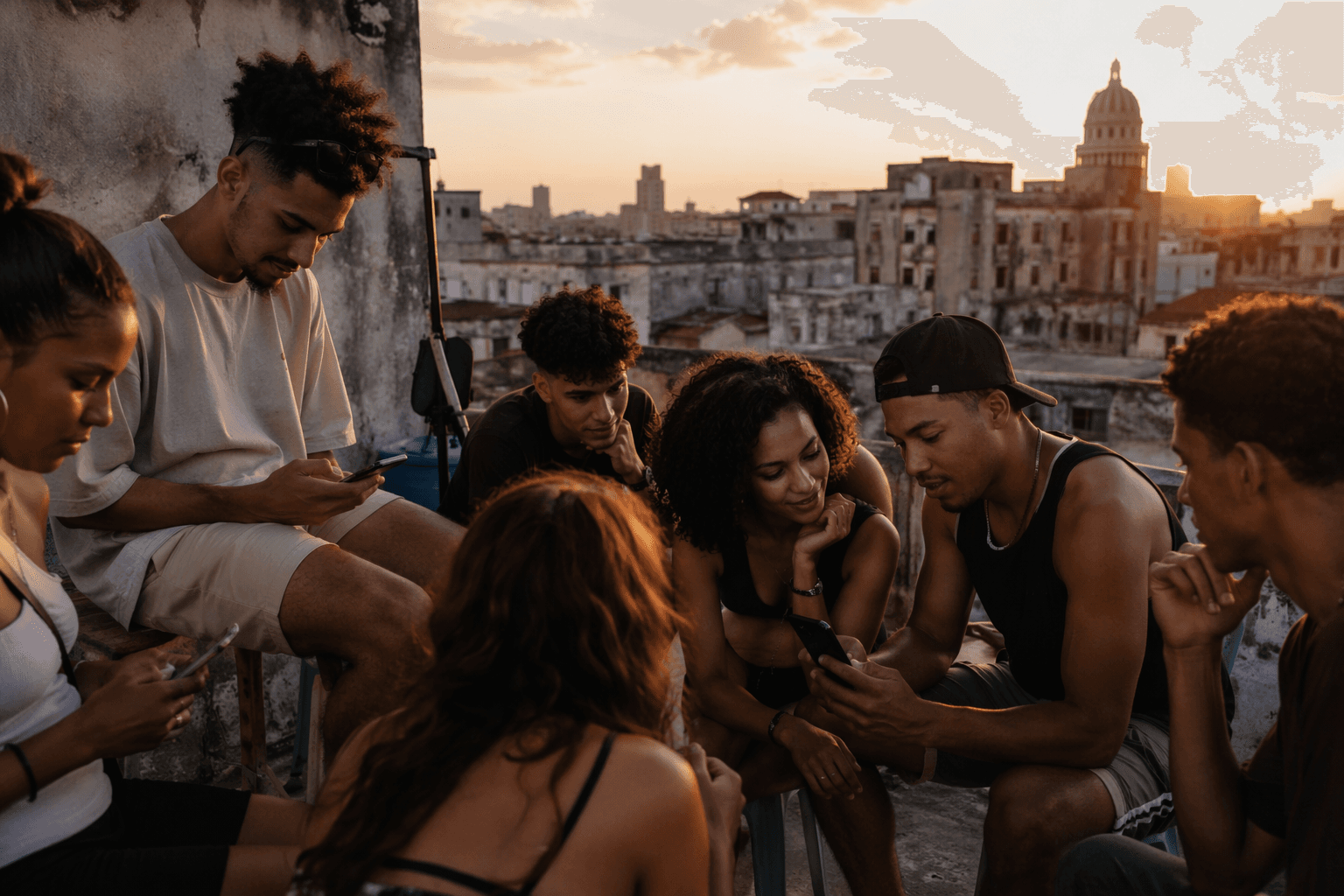
Holguín festival goes on as Cuba's blackouts deepen
Holguín’s Romerías de Mayo kept moving through blackout hours, but the festival’s real story was how much culture can survive when power cannot.
A festival held in the dark
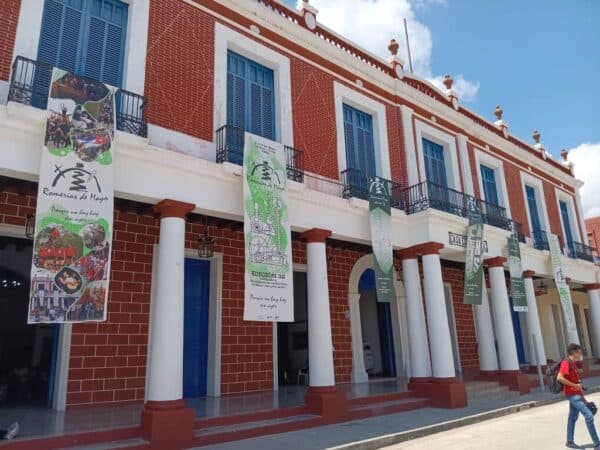
Holguín’s Romerías de Mayo still spilled into the streets, but in 2026 the blackout schedule decided the rhythm as much as the program did. The city’s best-known cultural week went ahead from May 2 to May 8, yet every concert, forum, and gathering carried the same question: how much daily disruption could people absorb in order to keep the festival alive?
What Romerías de Mayo is, and why Holguín treats it as its own civic ritual
The Romerías are not a small arts event bolted onto the calendar. Official Cuban sources trace them to the Cruz de Mayo pilgrimage tradition that dates back to the late 18th century, when the cross on Loma de la Cruz became both a symbolic point on the hill and a place people climbed as part of local devotion. That older religious and popular tradition helps explain why the modern festival still feels rooted in Holguín’s identity rather than imported as a cultural showcase.
Over time, the event became one of Cuba’s signature youth-culture gatherings, built around street fairs, theater, literature, visual arts, music, and public debate. In the city’s own telling, it is a reworking of an old climb into a contemporary civic ritual: people come not only to watch art, but to inhabit the city together.
What the 33rd edition was supposed to hold together
The 33rd Romerías de Mayo was scheduled for May 2 to May 8, 2026, in Holguín, and official coverage said it was dedicated to the 40th anniversary of the Asociación Hermanos Saíz and the centenary of Fidel Castro. Cuban media also said the festival would keep its core spine intact, with the Memoria Nuestra congress alongside concerts, dance, literature, visual arts, and youth-cultural forums.
That mattered because the 2026 edition was not framed as a stripped-down version of the festival, even if it had to adapt. State and local outlets described special adjustments in response to fuel and electricity shortages, but they also stressed that the event would keep its essence. In practice, that meant the festival was supposed to keep functioning as a full cultural machine while the country around it was failing to supply the basic energy that machine needs.
When the blackout became part of the program
The most striking thing about the festival was not that it survived, but how visibly it had to negotiate with the outage schedule. A diary account from Holguín described the lights returning in the city center only after hours without electricity in residential areas, a detail that captures the trade-off at the heart of the week: public celebration in one zone, domestic hardship in another.
That is the real pressure point of this story. Power cuts do not just dim a stage or delay a performance. They affect attendance, transport, safety, and mood. People have to decide whether to leave home when the streets are uncertain, whether a concert is worth the extra strain, and whether the event still feels communal when daily life is already organized around scarcity.
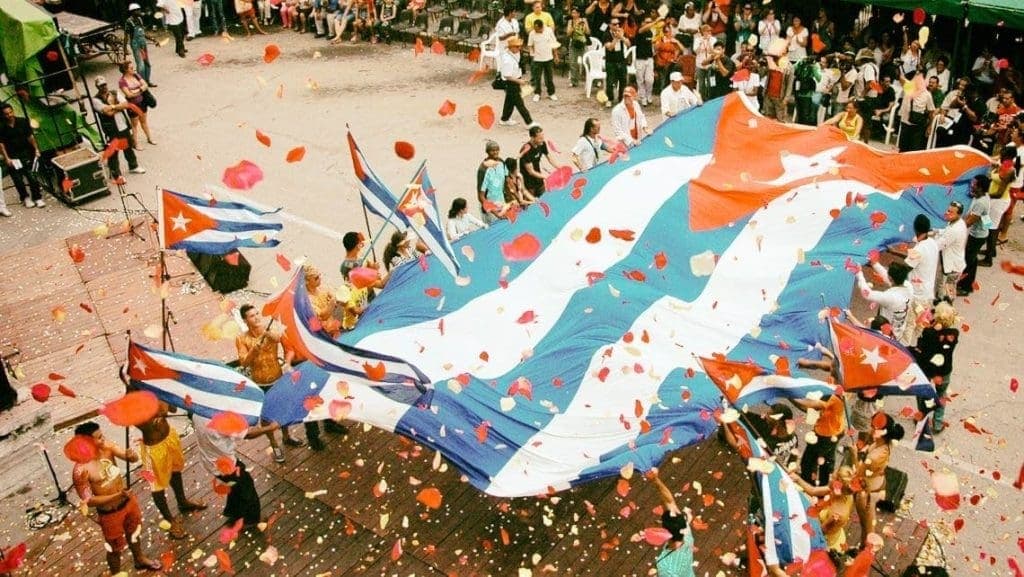
The festival became a test of whether cultural life can function when infrastructure is collapsing around it. It was not simply that the city was celebrating through hardship. It was that the hardship was now deciding when celebration could happen at all.
The wider crisis behind the festival
By early May 2026, the electricity crisis had moved far beyond inconvenience. Reuters-reported coverage said Cuba’s energy minister, Vicente de la O Levy, acknowledged that the island had run out of diesel and fuel oil, and that the grid was under extreme strain. Other reports said some parts of Cuba were facing scheduled blackouts lasting 20 to 22 hours a day, which turns ordinary movement around a city into a calculation.
The country’s rolling blackouts were described as the worst in decades, and protests broke out in Havana as the outages deepened. That national context mattered for Holguín because it framed the festival not as a local exception but as part of a larger emergency. When a cultural week goes ahead under those conditions, it stops being just a festival schedule and starts looking like an argument about endurance.
Holguín’s size made that argument even sharper. It is one of Cuba’s major cities and municipalities, with a population in the hundreds of thousands, so prolonged outages there are not a minor provincial nuisance. They reach deep into neighborhoods, transport, commerce, and family routines, which means the decision to keep Romerías going was also a decision to ask a large urban community to stretch itself further.
Why the festival still mattered
The 2026 Romerías were repeatedly framed as a space of resilience, peace, and resistance under pressure. That framing was not decorative. It explained why the festival kept its symbolic force even as electricity shortages threatened the practical conditions for public life.
For Holguín, the event still carried the emotional weight of a pilgrimage and the cultural ambition of a youth festival. The visual arts, concerts, dance, literature, and Memoria Nuestra congress were not just programming items. They were the proof that the city was still trying to gather itself in public, even while the grid kept imposing a different timetable.
That is what blackouts changed most: not the existence of culture, but its shape. Romerías de Mayo survived in name, in tradition, and in stubborn civic will. What the lights going out exposed was how much of a festival depends on the invisible systems around it, and how thin celebration becomes when a city must plan art around the next outage.
This article was produced by Prism’s automated news system from verified source data, official records, and press releases, then run through automated quality and moderation checks before publishing. The system is built and supervised by the people who set the standards it runs under. Read our full AI policy.
Did this article answer your question?