Holguín Hospitals Suspend Elective Surgeries Amid Worsening Energy Shortages
Holguín hospitals suspend elective surgeries as severe electricity and fuel shortages force emergency-only operations, affecting thousands of scheduled procedures.
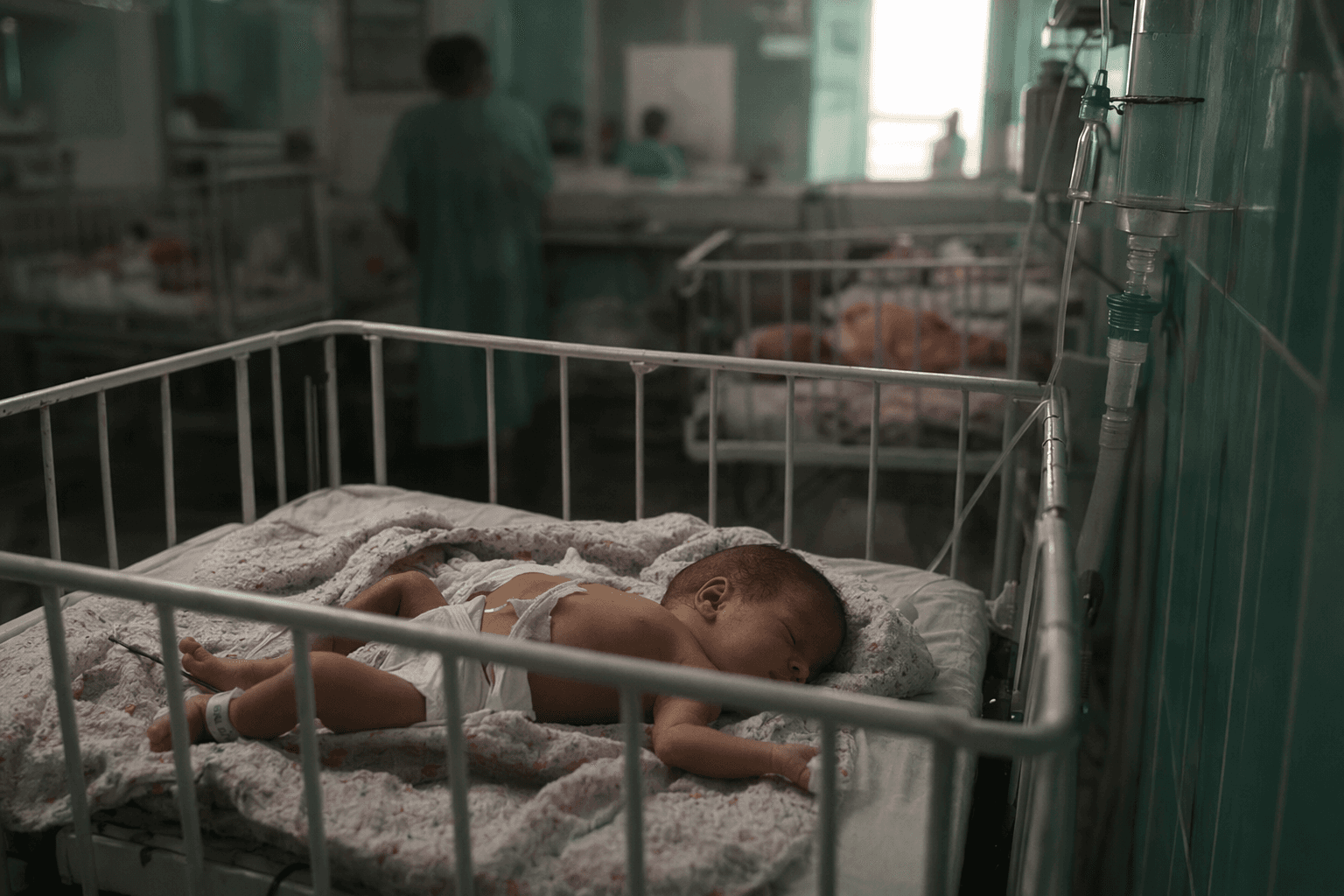
The Holguín General Health Directorate has ordered an immediate and indefinite suspension of all elective surgical activity, a move that shuts down scheduled operations across the province and restricts care to emergency, urgent, and life-threatening cases. Authorities characterize the situation as "extremely complex," and officials have initiated a strict prioritization of scarce electricity and fuel resources.
The directive leaves operating rooms available only for trauma, acute surgical emergencies, and other cases that threaten a patient’s life. "From now on, only emergency and urgent surgeries will be maintained, along with specific cases that threaten the patient's life. In other words, access to scheduled procedures is frozen for an indefinite period," the provincial notice states. Local reporting summarizes the impact bluntly: "The energy and fuel crisis in Cuba is no longer just a statistic; it translates into closed operating rooms and hospital services functioning in survival mode."
Provincial planners have singled out continuity of dialysis as a top priority. "All patients undergoing hemodialysis will be guaranteed admission and treatment at the five provincial centers, starting with those living in hard-to-reach areas to ensure continuity of care," the health office said. That measure aims to prevent interruptions in life-sustaining treatment even as routine surgical lists are cleared.
The suspension in Holguín is appearing alongside wider disruptions linked to the national energy and fuel shortfall. Transportation networks are already feeling the strain: in Las Tunas national bus departures to Camagüey, Holguín, and Santiago de Cuba have been suspended, while only a 9:00 pm "express" to Havana remains and some alternate routes such as Matanzas are halted. Reporting also links the fuel squeeze to medicine shortages, pauses in outpatient transport, halted sugar harvests in Sancti Spíritus, cancelled events and hotel closures, and an international congress called off with 1,500 participants.

Voices inside the system describe confusion and frustration. A provincial Public Health employee, speaking anonymously, said: "Contingency or emergency, I don’t know. Because the president spoke and spoke but said nothing. They asked him everything and he dodged it all, and said other people would be in charge of explaining the energy issue." Critics frame the suspension as symptomatic of broader governance and logistics failings; one editorialized assessment warned: "The government retains its ability to control, but has lost - due to its own inefficiency - the capacity to protect daily life. Today, security is enforced as coercion, while human security - energy, health, transportation - evaporates."
For patients and families in Holguín, the immediate steps are practical: confirm the status of scheduled procedures with your hospital or the Holguín General Health Directorate, keep in close touch with dialysis centers, and expect postponements until power and fuel access stabilize. The suspension will create backlogs and pressures on surgical services when they resume, so plan follow-up care accordingly.
What comes next depends on fuel and electricity allocations and decisions by provincial and national authorities. For now, the province is operating under a clear triage regime that prioritizes life-saving care while deferring thousands of non-urgent operations.
Know something we missed? Have a correction or additional information?
Submit a Tip