‘I’m already old’: Cuban deportees exported to Mexico describe bleak conditions after U.S. returns
Lázaro Ballesteros spent years in Miami before U.S. authorities dropped him in Tapachula with nothing. He's one of roughly 6,000 Cubans deported to Mexico under a secret deal.
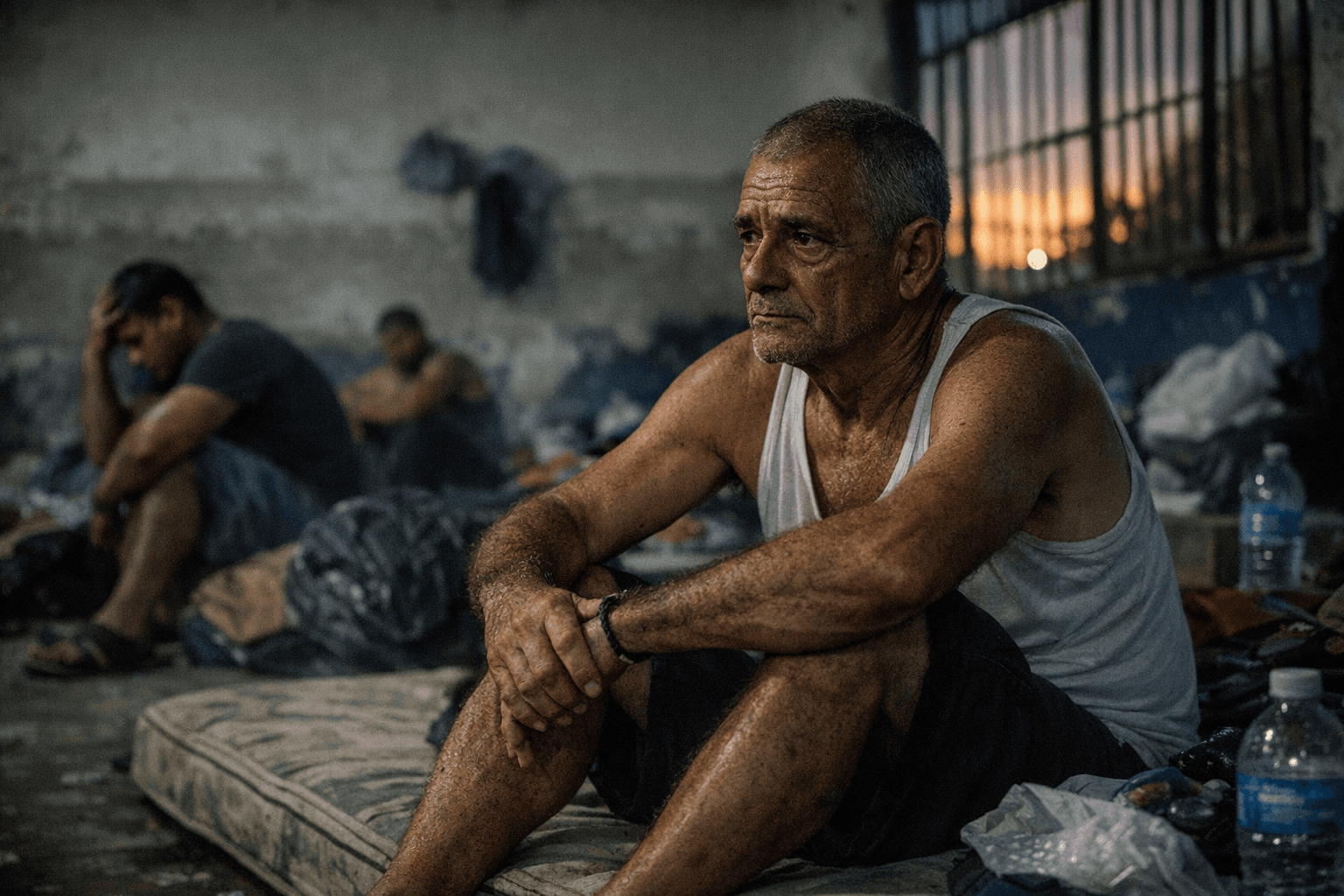
Lázaro Ballesteros had lived in Miami for years before U.S. immigration authorities detained him and put him on a plane to southern Mexico. He had no family there, no legal status, and no path forward. He now cries every night.
Ballesteros is among roughly 6,000 Cuban nationals the Trump administration deported to Mexico over the course of the past year under what Department of Homeland Security officials described as a "standing" but "unwritten" agreement with Mexico, according to a federal court order. The arrangement, kept largely quiet by both governments, has left dozens of older Cubans stranded in Tapachula and Villahermosa, two cities in the southern states of Chiapas and Tabasco, far from any family or support network they had built over decades in the United States.
U.S. District Judge William G. Young in Massachusetts, pressing the Trump administration for answers, cited DHS filings acknowledging the practice and wrote, "What? Can this be true?" in a nine-page order demanding the government explain how the opaque arrangement works. Government attorneys initially told Judge Young they would produce the written agreement. Then they said it did not exist.
The people stranded in Tapachula and Villahermosa are not recent border-crossers. They worked as electricians, company managers, and held jobs across U.S. industries for years. Some were retired. Several had spent long enough in the United States to build savings and routines, and some had lived there since early childhood. Now they depend on small handouts and the generosity of strangers, lacking the documentation, income, and in many cases the Spanish fluency needed to navigate Mexican bureaucracy. Health care is an acute concern for the older deportees.
Ballesteros had been detained 12 years ago on a marijuana trafficking charge and had since been completing supervisory requirements. U.S. authorities ultimately deemed him a danger to society. That determination was enough to put him on a removal flight to a country where he had no established life. The phrase circulating among the deported Cubans in Tapachula captures the desperation of the older ones who feel they have no remaining options: "I'm already old."
Mexican civil-society groups and local authorities in Chiapas and Tabasco have limited capacity to absorb the volume of arrivals. The legal clarity for deportees is minimal since Mexico has not formally taken on the legal obligations of a receiving country in the way the U.S. arrangement effectively treats it.
For the Cuban exile community in Miami and across the diaspora, the images of elderly compatriots stranded in southern Mexican cities cut in a particular way. These are not people who slipped through a policy gap. They are people the U.S. government once permitted to settle, build careers, and in some cases retire, then removed under enforcement priorities that shifted with the current administration. The debate over the legality of the unwritten U.S.-Mexico deportation deal is now before a federal court. The people living the consequences of that deal are sleeping in Tapachula.
This article was produced by Prism’s automated news system from verified source data, official records, and press releases, then run through automated quality and moderation checks before publishing. The system is built and supervised by the people who set the standards it runs under. Read our full AI policy.
Did this article answer your question?