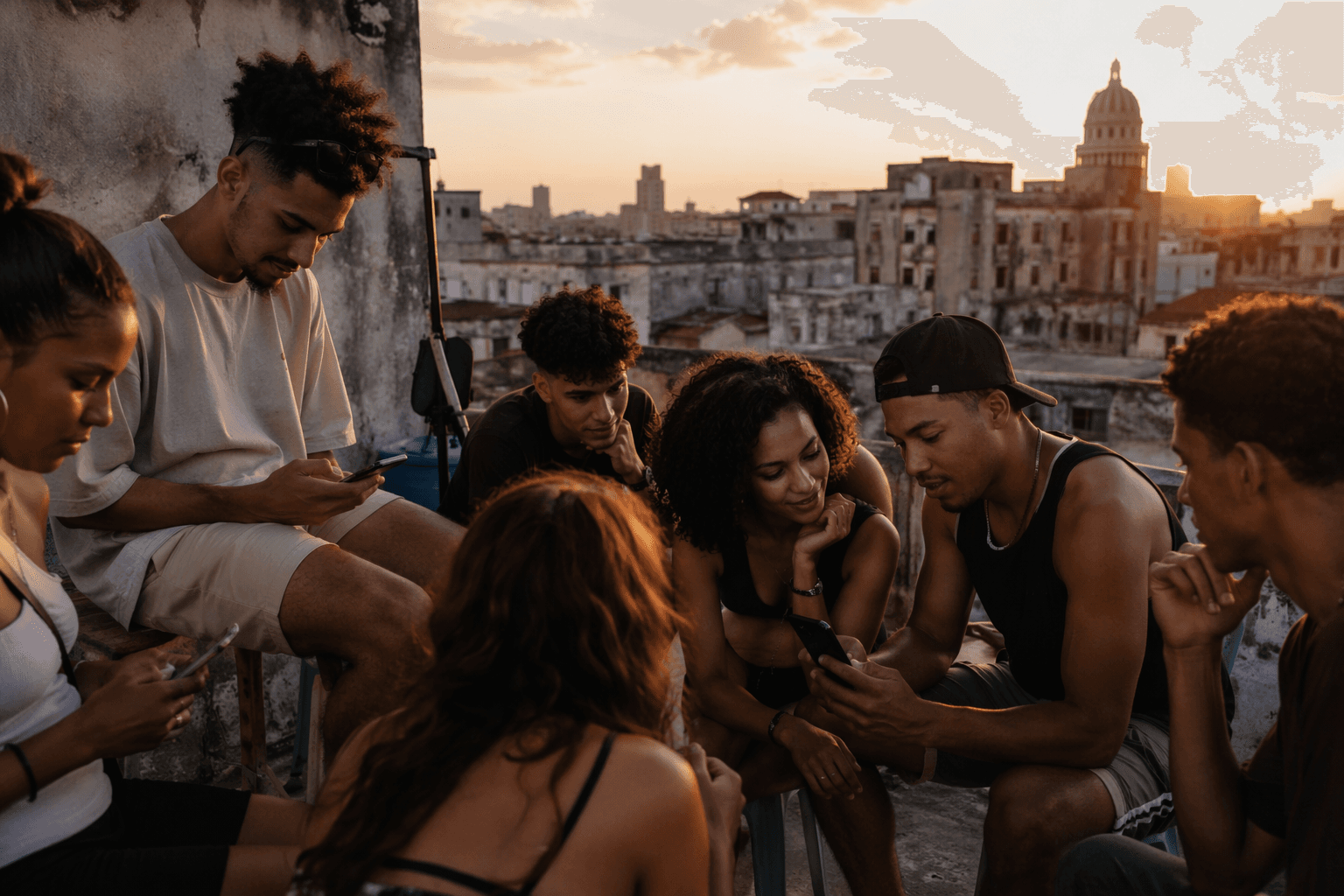
Leftist Streamer Hasan Piker Finds Poverty, Darkness Instead of Socialist Dream
Hasan Piker wore $1,380 Cartier glasses nearly 7x Cuba's average annual salary while praising Cubans for "vibing" through 16-hour daily blackouts.
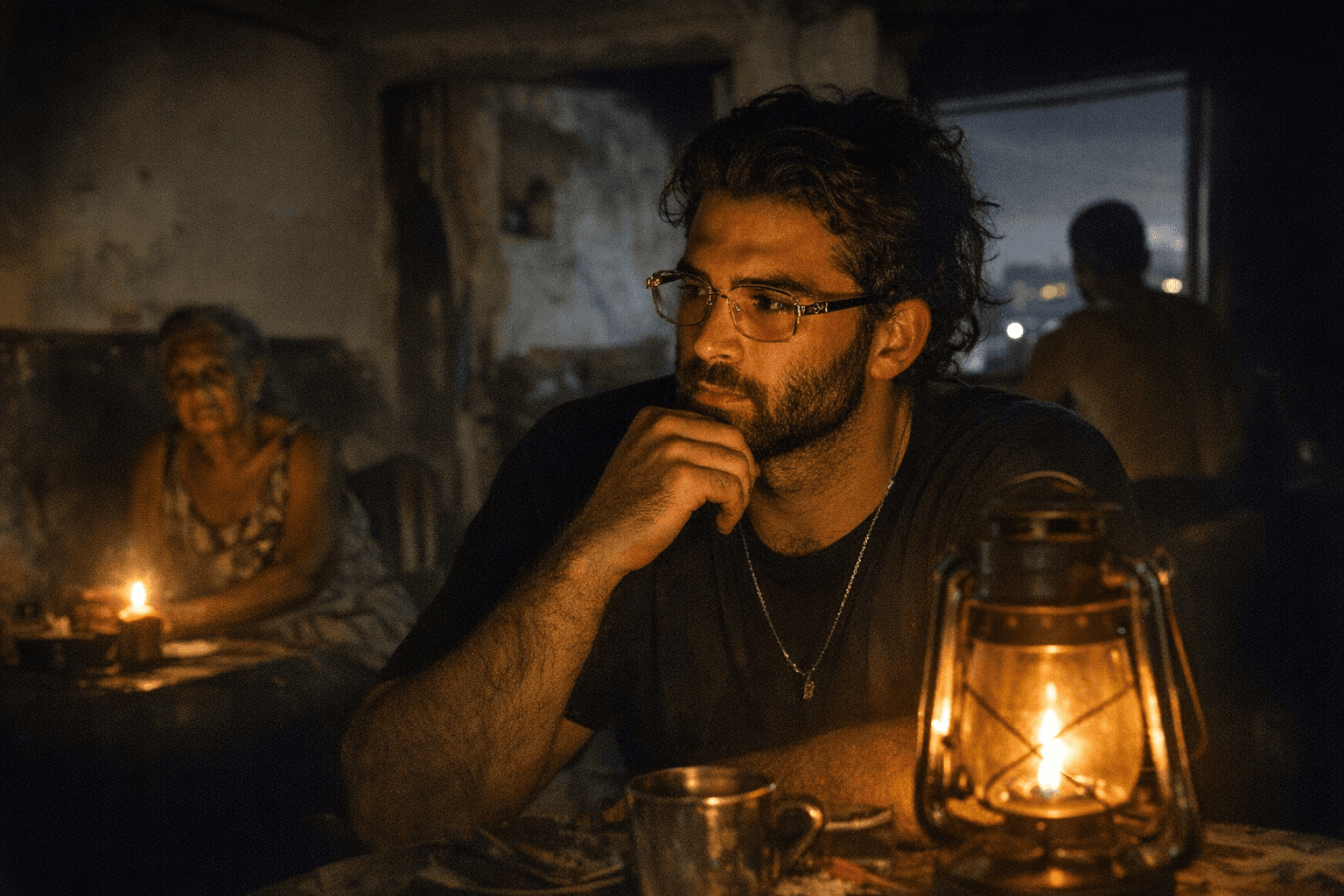
Hasan Piker, the Twitch streamer with over 3 million followers who has built a career championing socialism, arrived in Havana in March 2026 as part of the 600-person Nuestra América Convoy and left with a viral controversy that exposed the distance between curated solidarity and street-level reality. He stayed in a five-star, generator-powered hotel. Outside, most Havana residents were enduring more than 16 hours of blackouts daily, and Cuba's national grid had collapsed three separate times that single month.
The numbers surrounding Piker's visit tell the story plainly. His Cartier glasses, photographed and circulated widely on social media, carried a $1,380 price tag, nearly seven times Cuba's average annual salary of $200. His full outfit, including a $690 shirt and a $3,000 Cartier ring, was estimated at roughly $5,000. From inside his air-conditioned suite, Piker told his followers that Cubans "are just calm" despite the rotating blackouts, attributing it to an "island mentality," and declared the island "officially one of my favorite places."
What visitors and residents actually face on the ground reads differently. By early March 2026, 64 percent of the island was in darkness, with rolling outages lasting up to 20 hours a day. In Havana, only about 5 percent of residents had power restored in the days after one grid collapse. Traffic lights across the capital went dark. Food lines stretched outside bakeries, with residents photographed queuing for bread as recently as March 13. Cuba had not received an oil shipment in more than three months; President Miguel Díaz-Canel confirmed the country was running solely on solar power, natural gas, and aging thermoelectric plants, and the government had postponed surgeries for tens of thousands of patients.
The contrast between Piker's framing and documented conditions offers a practical guide for separating a curated online narrative from lived conditions. Check whether a visiting creator's hotel has generator power when surrounding blocks do not. Watch for whether they're photographed only in official spaces rather than local markets or side streets. Note whether they acknowledge the duration of blackouts or merely their existence. Ask whether "resilience" language arrives alongside any actual numbers. And time-stamp the posts: Piker published his most upbeat observations during the same week Cuba's grid failed for the third consecutive time in March.
Piker defended his hotel stay by arguing that U.S. regulations restrict where American visitors can book accommodations. On X he wrote that Cuba has "immense potential" and accused the United States of trying to "suffocate and destroy that potential." On March 22, he livestreamed a response to the clothing backlash, saying many items are gifted and that connecting his wardrobe to Cuba's power crisis "doesn't make sense."
For Suleydi Crespo, a 33-year-old Havana mother of two, the grid collapse that weekend had a simpler consequence. "With the blackout and low voltage, my refrigerator broke," she told the Associated Press. "If there's no electricity tomorrow, we won't be able to get water."
The Nuestra América Convoy brought roughly 600 participants to the island, among them diplomats, politicians, and content creators. The hotel's generator ran through all of it.
This article was produced by Prism’s automated news system from verified source data, official records, and press releases, then run through automated quality and moderation checks before publishing. The system is built and supervised by the people who set the standards it runs under. Read our full AI policy.
Did this article answer your question?