Petro Rejects U.S. Action on Cuba, Calls for Dialogue, Sovereignty
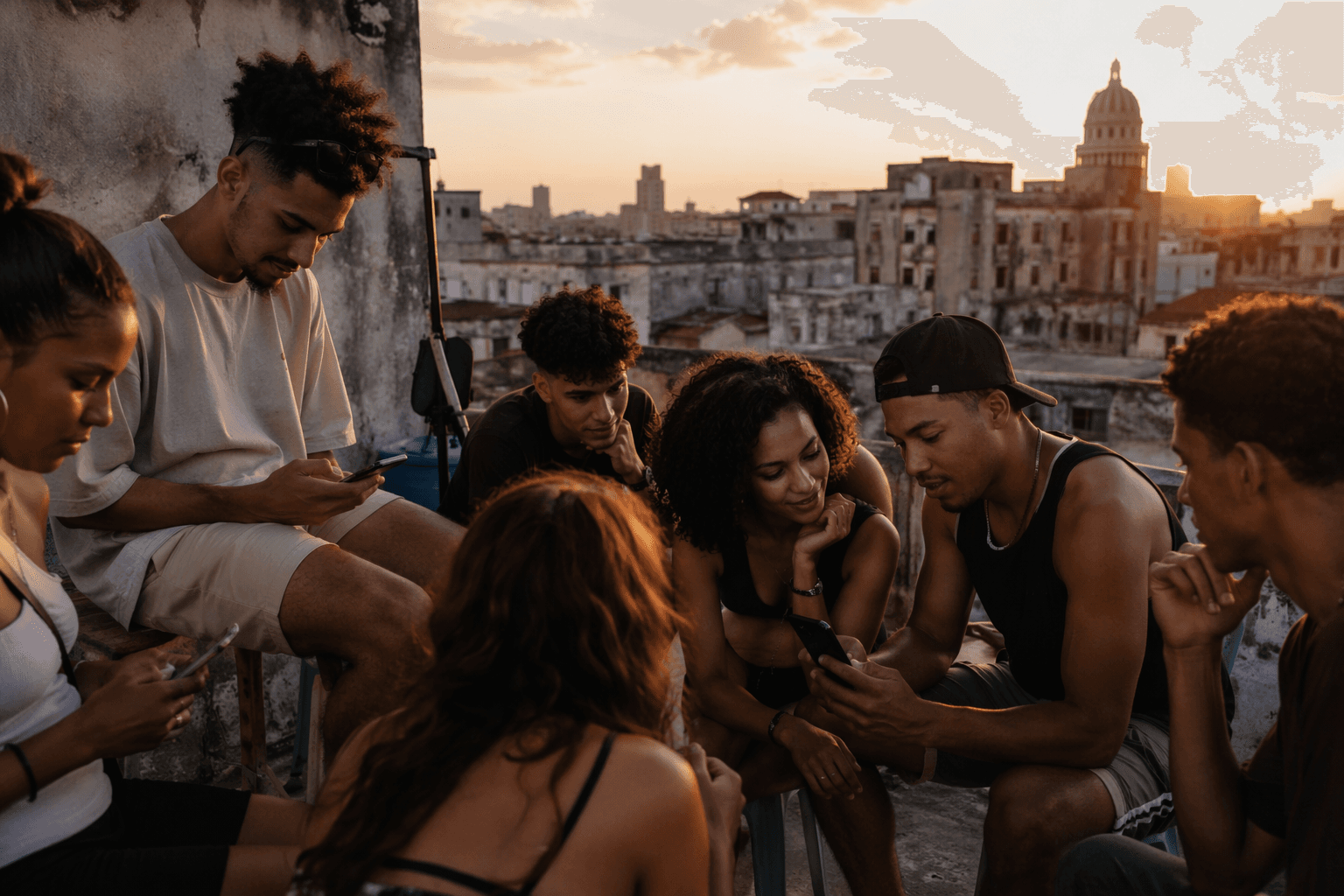
Petro’s Cuba defense sparked a new clash with Miami hard-liners as Havana warned of possible U.S. military action and fuel shortages deepened.
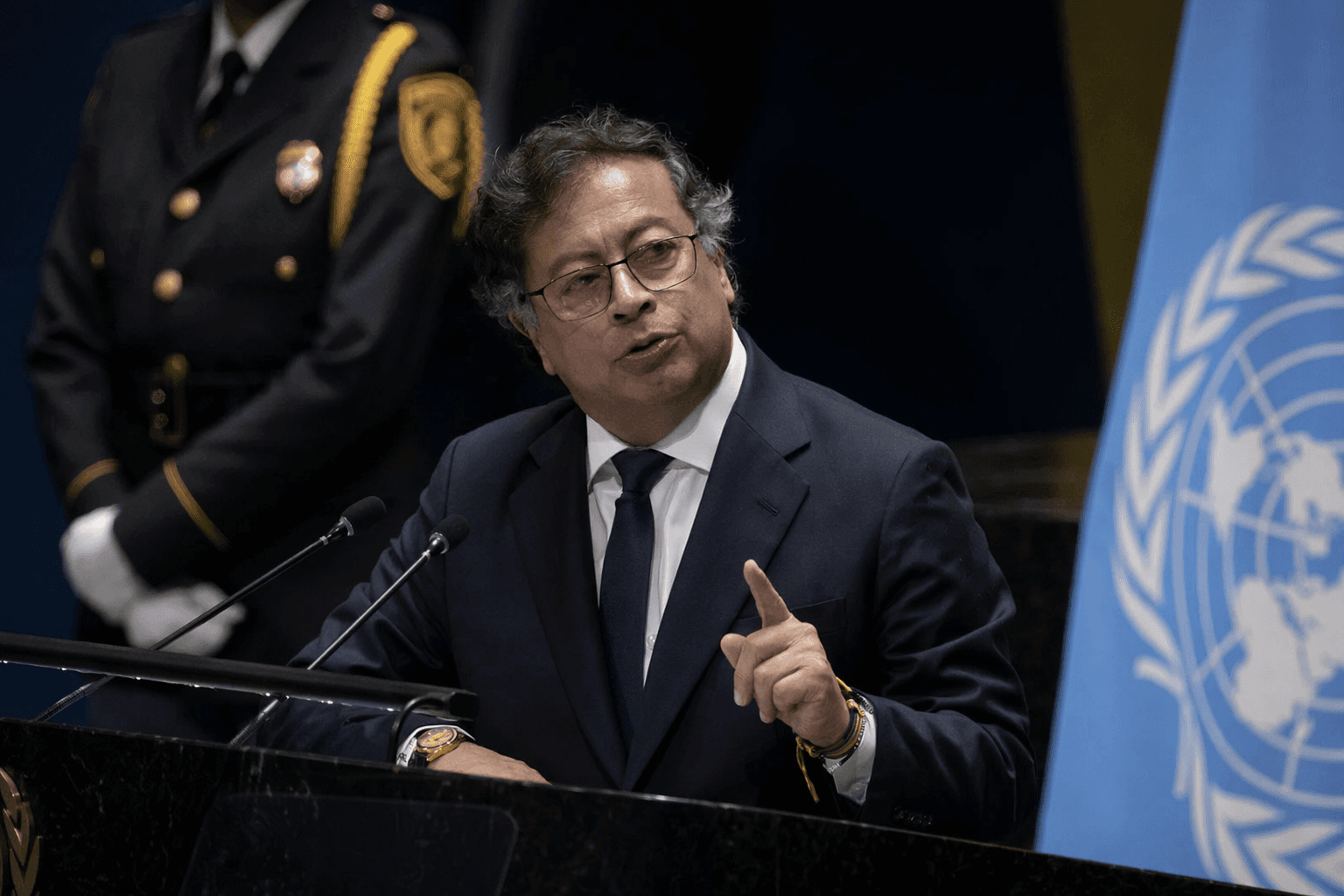
Gustavo Petro put Colombia squarely in Cuba’s corner, rejecting any U.S. military action and arguing that the island’s crisis had to be solved through dialogue, sovereignty and respect for Cuba’s political process. In a statement posted on the Colombian presidency website on April 17, 2026, Petro said the Caribbean should remain a zone of peace and dismissed both blockade and military confrontation, calling the blockade “genocidio.”
The timing mattered. Cuba’s economic and energy crisis had already worsened after Washington took measures at the end of January to block oil supplies entering the island, and the United Nations said fuel shortages were deepening humanitarian needs across Cuba. Petro’s intervention landed in the middle of a far more dangerous argument in the region, where Cuban officials were warning openly about the possibility of force and outside leaders were being pulled into the dispute over who gets to define Cuba’s security.
The sharpest backlash came from Florida. U.S. Rep. Carlos Giménez accused Petro of planning to flee to Cuba after an expected election loss, turning the Colombian president’s remarks into another flashpoint in the long-running anti-Cuba campaign in Miami. Giménez, who was born in Havana and fled with his family in November 1960, has spent years pressing for harder pressure on Havana. In January 2026, he called for ending oil shipments, travel and remittances to Cuba, and in April 2025 he urged the Trump administration to stop flights and remittances, saying the United States could not provide any more “oxygen” to the Cuban government.
For Havana, the political fight was inseparable from the physical one. President Miguel Díaz-Canel warned on April 16 that a U.S. military strike was a real possibility and told Cubans to be ready to defend themselves. On April 25, Foreign Minister Bruno Rodríguez said Havana would never accept a “peace through force” proposal. The U.S. Senate then blocked a resolution on April 29 that would have prevented Donald Trump from ordering military action against Cuba without congressional approval.
The crisis also dragged in a wider regional response. Cuba opened talks with U.S. officials on March 13 over the energy blockade, even as Washington threatened tariffs on countries exporting oil to Cuba. A humanitarian flotilla delivered supplies to Havana on March 24, and international solidarity brigades arrived ahead of May Day 2026. Petro’s statement showed how Cuba has become more than a bilateral dispute: it is now a live test of whether Latin American leaders accept sanctions and military threats as policy, or insist that Cuba’s sovereignty still sets the terms.
This article was produced by Prism’s automated news system from verified source data, official records, and press releases, then run through automated quality and moderation checks before publishing. The system is built and supervised by the people who set the standards it runs under. Read our full AI policy.
Did this article answer your question?