Prolonged Fuel Shortages and Emigration Drive Cuba Toward Humanitarian Crisis
Cuba is sliding toward a humanitarian crisis as prolonged fuel and power shortages plus mass emigration are crippling health, sanitation, transport and education.
Prolonged shortages of fuel and electricity, together with a wave of emigration that has dramatically reduced the working-age population, are pushing Cuba toward a humanitarian crisis that is already degrading public services and public health across the island. Hospitals and clinics face repeated power cuts and dwindling supplies, sanitation systems falter without reliable fuel for pumps and collection, and transport interruptions leave teachers, nurses and patients unable to reach schools and health centers.
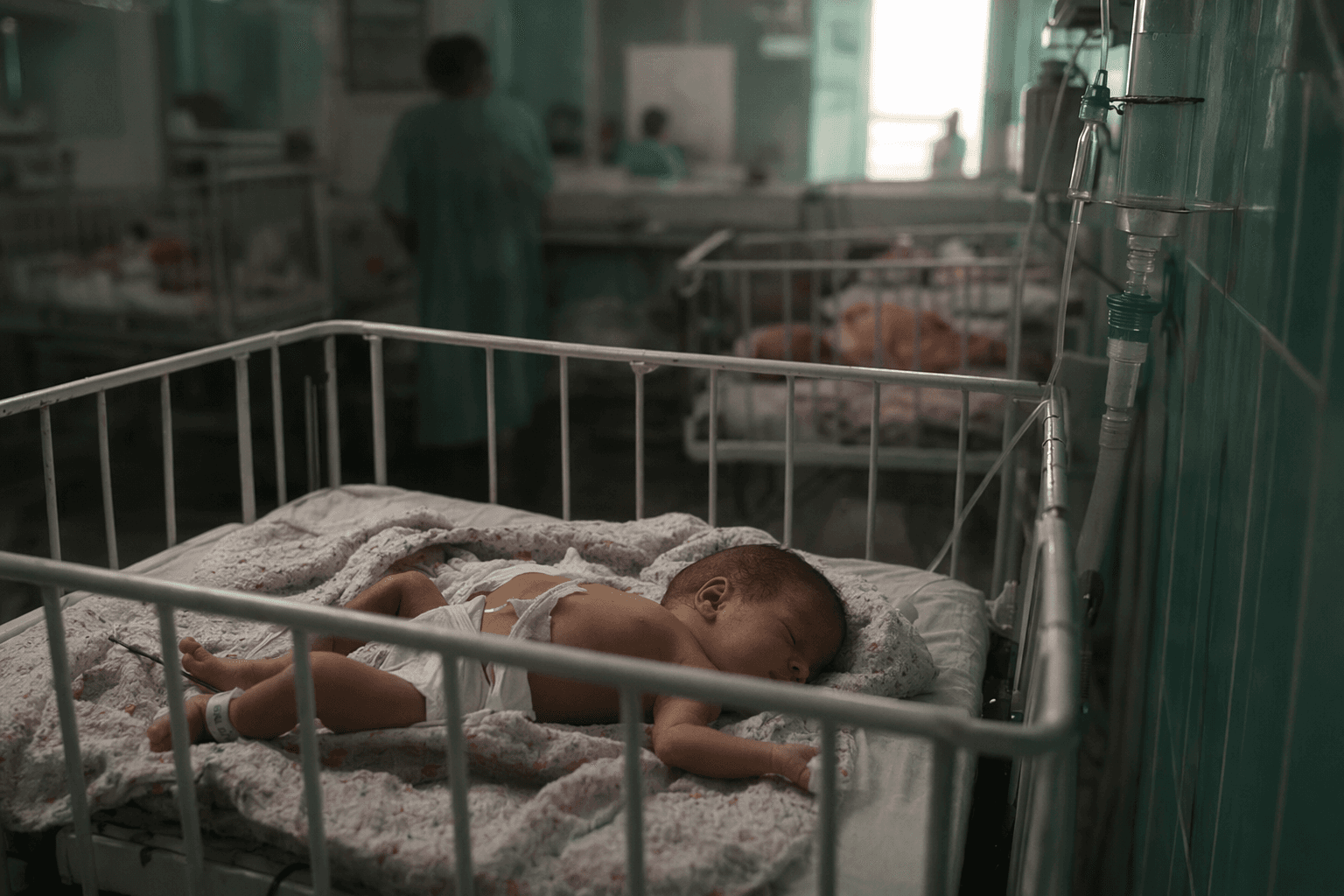
The erosion of Cuba’s universal healthcare achievements is visible in stretched clinics, interrupted chronic-care regimens and growing fear of vector-borne outbreaks. Public-health risks include dengue, chikungunya and yellow fever as standing water accumulates where waste removal and infrastructure repair lag. Sanitation and transport failures amplify exposure to disease while also disrupting vaccine delivery and routine medical services.
Economic and structural forces underlie the breakdown. Tightened external sanctions, internal economic contractions and climate-related impacts on food, water and energy systems have combined to limit fuel imports and repair capacity. At the same time intensified U.S. pressure following regional events has deepened Cuba’s political isolation, reducing diplomatic space and complicating aid or investment that could ease shortages.
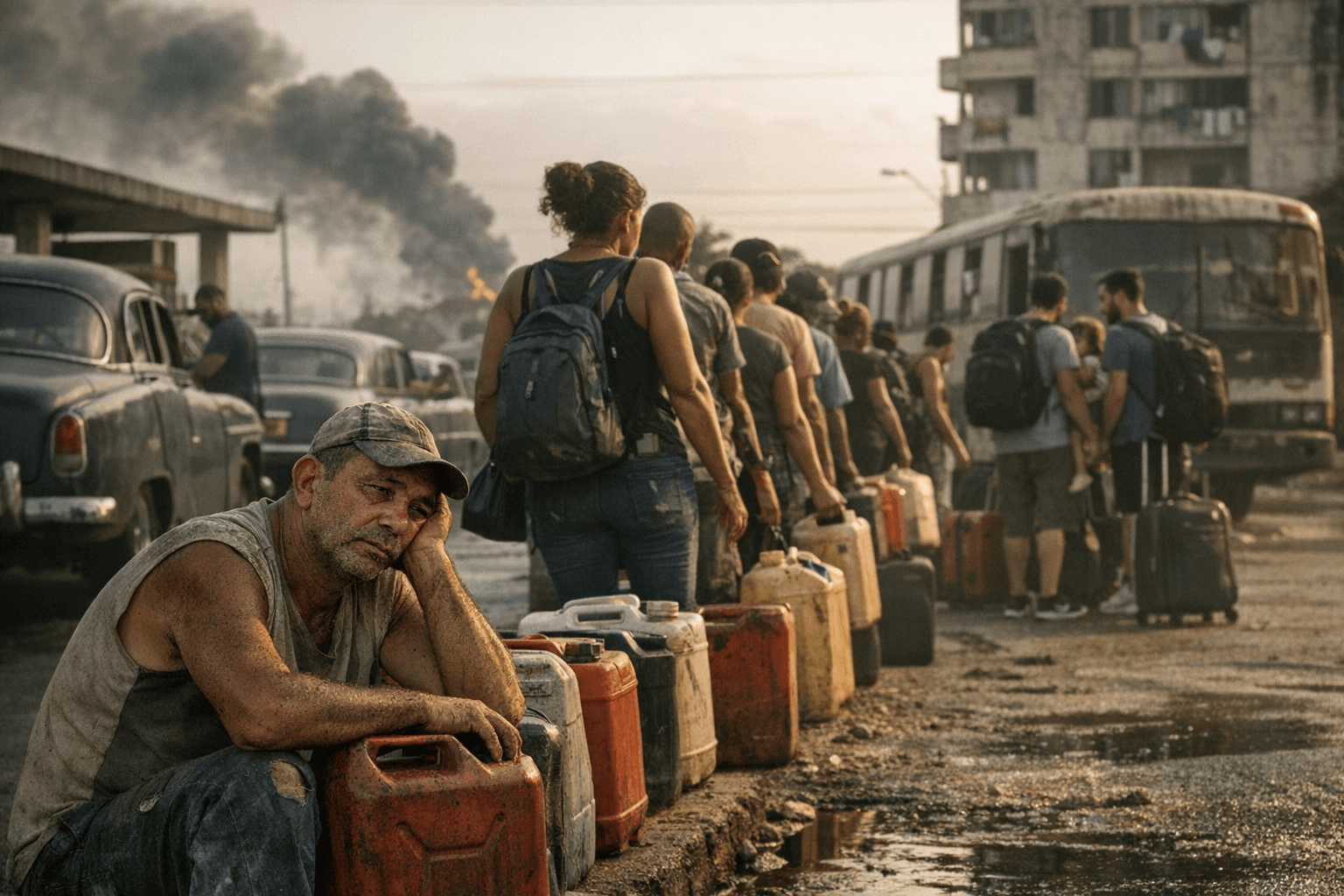
For communities the impact is immediate and practical. People report longer colas for essentials, fewer public buses and intermittent school schedules that force families to juggle childcare and work. Health workers contend with backup generators that cannot run indefinitely, and logistics bottlenecks mean medicines and basic supplies move slowly. With a smaller working-age population, municipal services struggle to retain skilled technicians needed for electrical grids, water treatment and hospital maintenance.
Local coping measures have emerged but are no substitute for system-level fixes. Neighborhood coordination over water sharing, targeted mosquito-control efforts and improvised transport solutions can blunt some harms, while community clinics act as frontline triage points when hospitals operate at reduced capacity. Residents should prioritize eliminating standing water, boiling or treating water for drinking when supplies are uncertain, and keeping up with scheduled immunizations when available.
The situation is structural and likely to persist without sustained policy change, increased fuel and supply flows, or an easing of external pressures that hinder recovery. For readers, the near-term need is pragmatic: prepare for outages, support local health centers and community response teams, and monitor official health advisories. Longer term, reversing demographic loss and restoring institutional capacity will determine whether Cuba stabilizes or faces deeper, lasting humanitarian decline.
Know something we missed? Have a correction or additional information?
Submit a Tip