Raúl Castro joins Havana May Day march as U.S. tensions rise
Raúl Castro's tired appearance on Havana's waterfront put the old guard at the center of May Day as Trump widened sanctions and Cuba projected defiance.
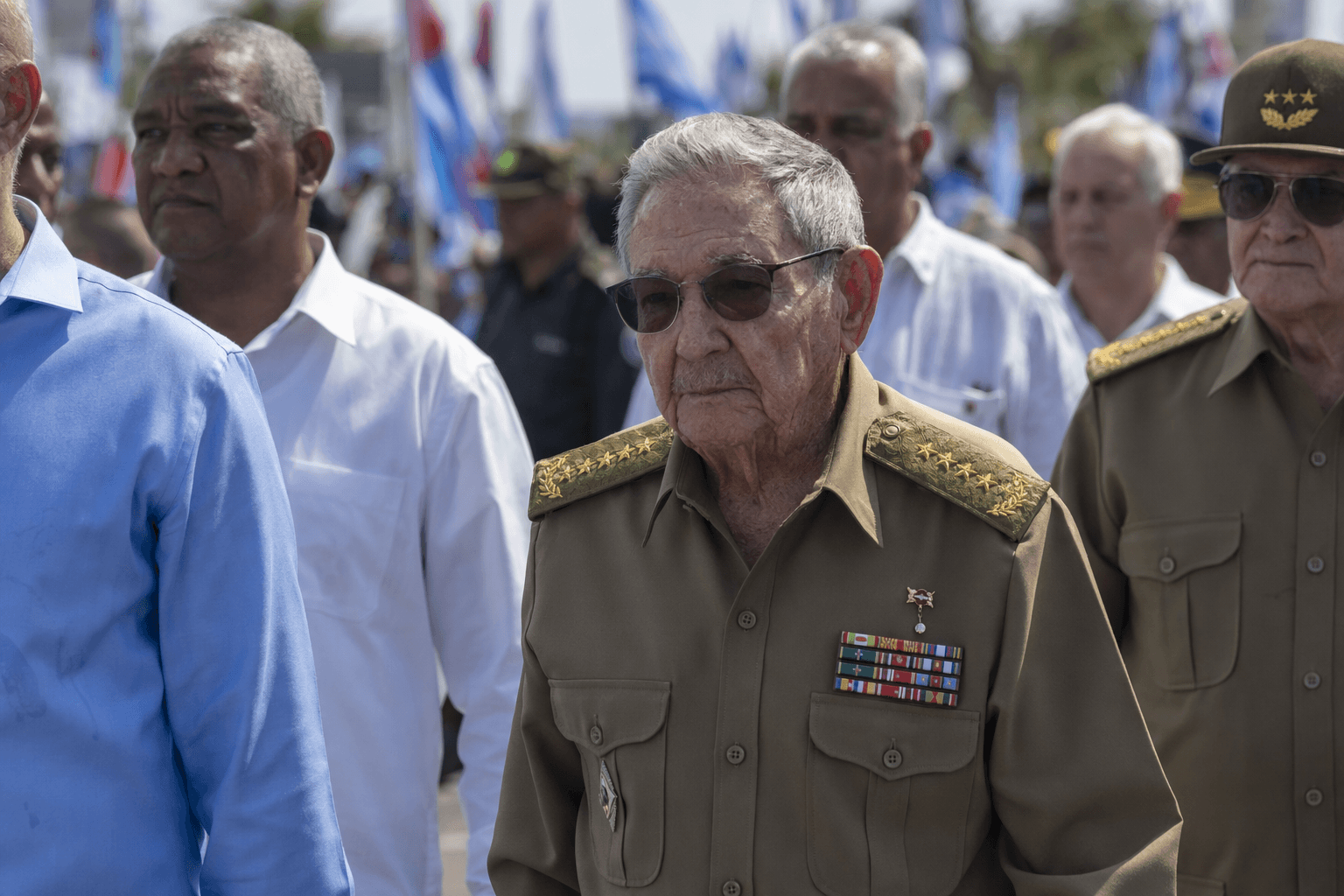
Raúl Castro, 94, took a place at the center of Havana’s May Day ritual on Friday, walking in military uniform with President Miguel Díaz-Canel and other officials as thousands filled the International Workers’ Day march along the city’s waterfront and past the U.S. embassy.
The former leader’s presence was the point. Castro looked tired during the ceremony and at one moment had to sit down suddenly, but the image of the old revolutionary guard still standing with the state’s top leadership carried clear political weight. In a country where the Castros remain deeply charged symbols, the march turned into a public reminder that the old order still sits close to the center of power.
That message was reinforced by the family name attached to the parade. Raúl Guillermo Rodríguez Castro, Castro’s grandson and the chief of his security, also attended, underscoring how tightly the family remains woven into the state’s most visible political rituals. The route itself mattered too: by passing the U.S. embassy in Havana’s waterfront area, the march became a staging ground for confrontation as much as celebration.
The show of unity came just as Washington sharpened pressure on Havana. On May 1, Donald Trump signed an executive order broadening U.S. sanctions against people and entities tied to wide swaths of the Cuban economy, including energy and defense. Cuban officials denounced the new measures as “collective punishment,” while Díaz-Canel said Trump’s military threats had reached a “dangerous and unprecedented level.”
For Cubans, the political theater landed against a harsh economic backdrop that has made the symbolism harder to separate from daily life. The island has been struggling with severe oil shortages, national blackouts, fuel rationing and disruptions to flights. In February, Reuters reported that Cubans were installing solar panels to cope with extended outages amid blocked oil shipments. In April, Russian oil arrivals offered only short-term relief.
That is why Castro’s appearance mattered beyond nostalgia. It was a deliberate signal to Washington, to Cubans watching the state try to hold its line, and to anyone looking for cracks in the system. On May Day, the government answered scarcity and renewed U.S. pressure with discipline, continuity and a carefully staged display of endurance.
This article was produced by Prism’s automated news system from verified source data, official records, and press releases, then run through automated quality and moderation checks before publishing. The system is built and supervised by the people who set the standards it runs under. Read our full AI policy.
Did this article answer your question?