Raúl Castro turns 95 as U.S. murder charges deepen pressure
Raúl Castro turned 95 with his location still unknown, as U.S. murder charges over the 1996 Brothers to the Rescue shootdown kept pressure on Havana.

Raúl Castro marked his 95th birthday on Wednesday with his whereabouts still unknown, two weeks after U.S. authorities unsealed murder charges tied to the 1996 shootdown of civilian planes. In Havana, Miguel Díaz-Canel publicly praised Castro as a mentor and father figure, another reminder that the Cuban leadership still treats the former president as a political symbol even as Washington tightens the vise.
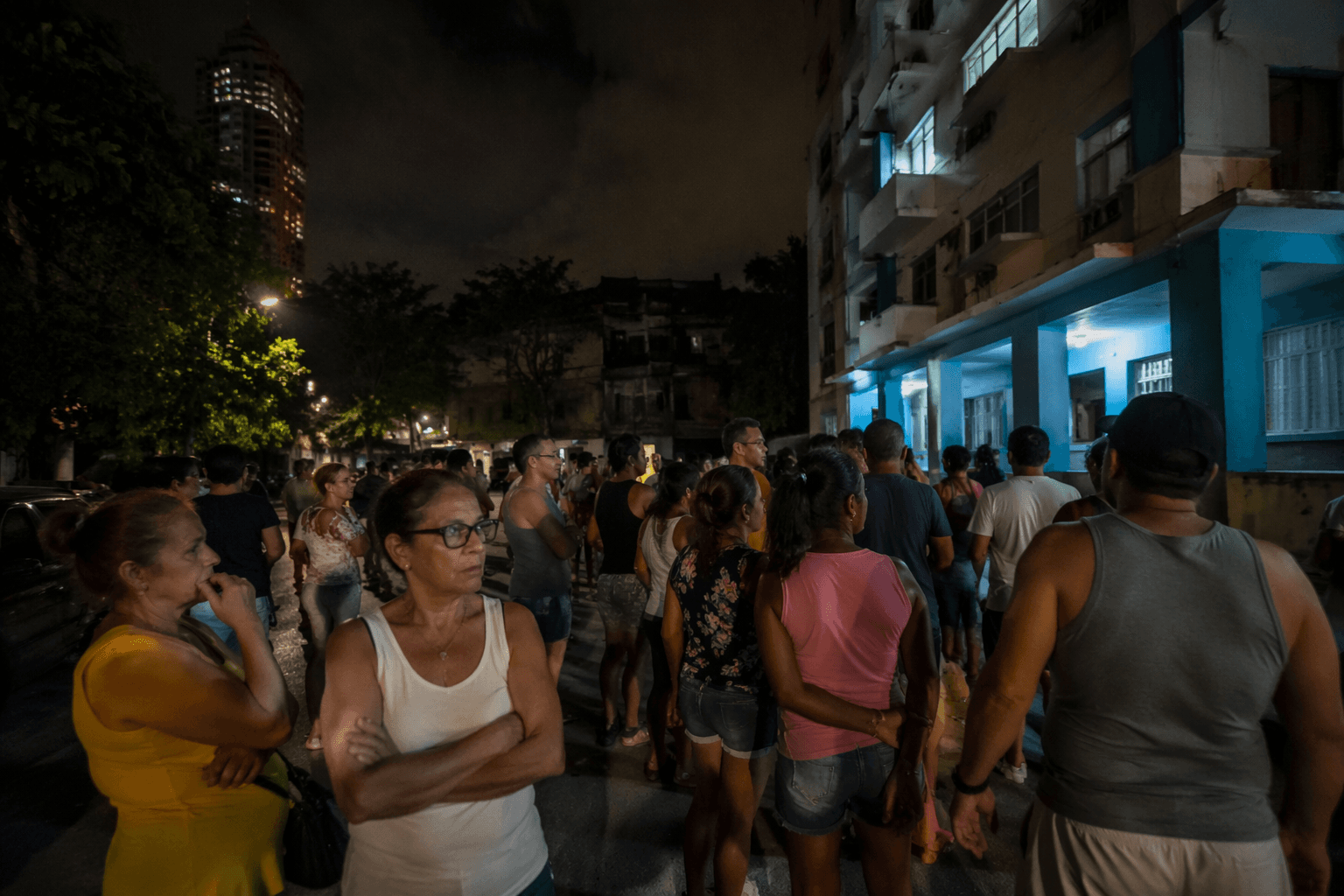
The U.S. indictment, unsealed on May 20, charged Raúl Modesto Castro Ruz with conspiracy to kill U.S. nationals, two counts of destruction of aircraft and four counts of murder. Prosecutors say the case centers on the Feb. 24, 1996, downing of two unarmed civilian aircraft operated by Brothers to the Rescue over international waters in the Florida Straits. The Justice Department named the four men killed as Carlos Costa, Armando Alejandre Jr., Mario de la Peña and Pablo Morales. It also said Castro was Cuba’s defense minister at the time and was 94 when the indictment was unsealed.
The charges landed inside a broader campaign of pressure from the Trump administration. The White House said on May 1 that it broadened sanctions on Cuba under Executive Order 14404, authorizing new restrictions on covered persons, entities and financial institutions that support the Cuban regime or transact with sanctioned parties. Then on May 18, the State Department sanctioned 11 regime-aligned actors and three Cuban government bodies, including MININT, the Policía Nacional Revolucionaria and the Directorate of Intelligence of Cuba. Earlier, on Feb. 5, Washington said it would add $6 million in humanitarian aid for Cuba, bringing total aid since Hurricane Melissa to $9 million even as it moved to choke off fuel imports.
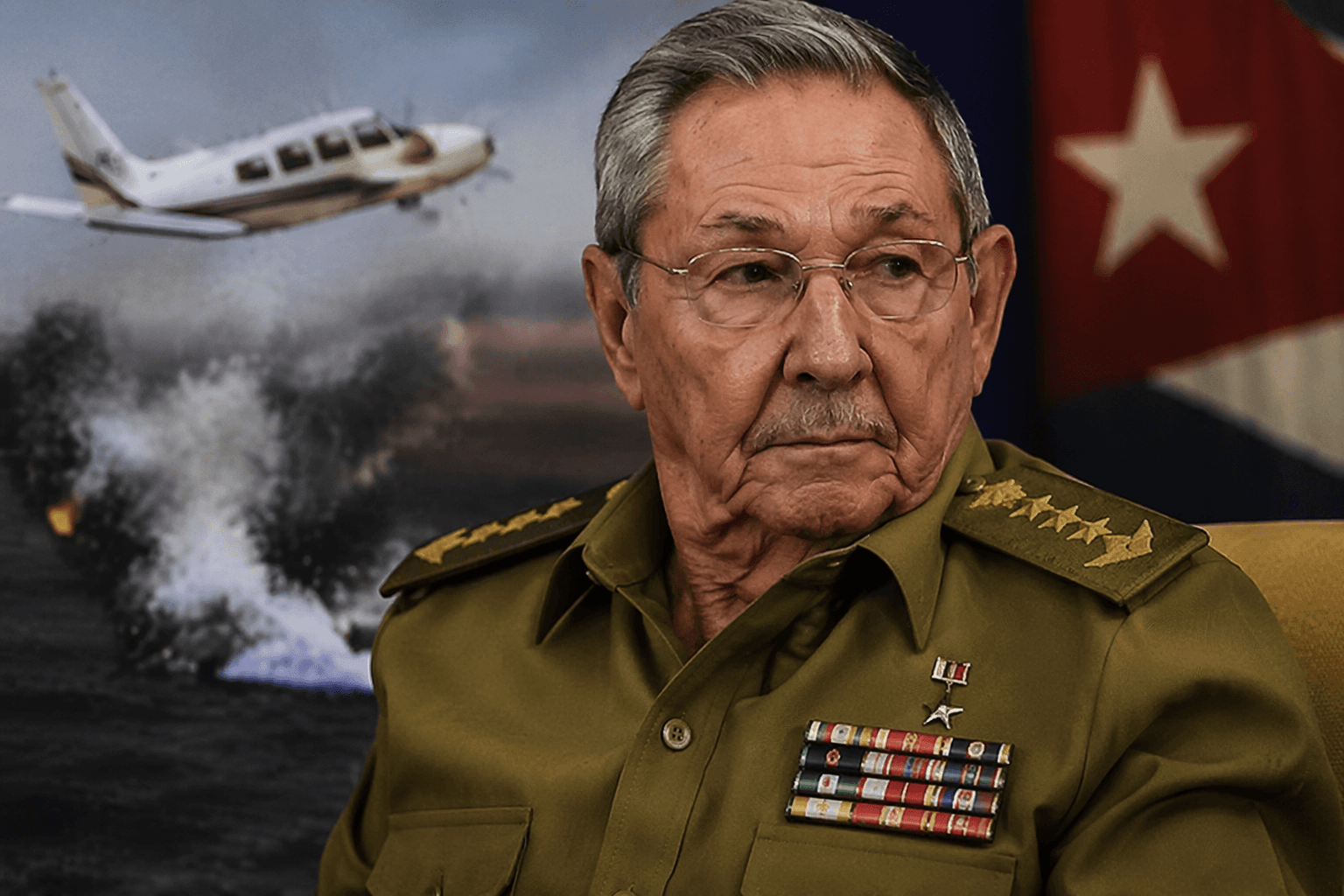
René González, the former Cuban spy, said the indictment had pushed relations into a critical situation and could damage any chance of rapprochement. That view fits the larger arc of the case: the same figure who once stood at the center of normalization talks is now the target of U.S. murder charges. Declassified FAA records released by the National Security Archive on May 19 show that U.S. officials were warning in 1995 of a possible “worst case scenario” in which Cuba might one day shoot down one of the Brothers to the Rescue planes. The records also show that tensions over the flights had been building long before the jets fired over international waters. On Castro’s 95th birthday, the regime’s tribute and his missing whereabouts told the same story: the old command structure still matters, but so does the silence around who really wields power now.
This article was produced by Prism’s automated news system from verified source data, official records, and press releases, then run through automated quality and moderation checks before publishing. The system is built and supervised by the people who set the standards it runs under. Read our full AI policy.
Know something we missed? Have a correction or additional information?
Submit a Tip