Regla wakes to 26-hour blackout, frustration spills into daily life
After 26 hours without power, Regla’s morning lines were filled with sleep-deprived residents chasing bread, cash, water and transport.
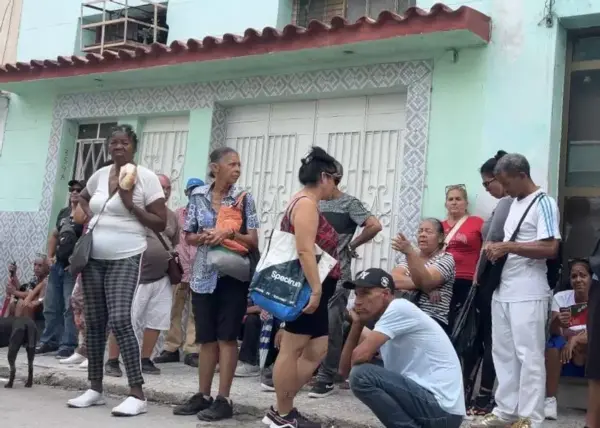
Regla woke into its 26th hour without electricity, and the morning routine quickly turned into a test of endurance. Outside a bakery, a bank branch and other basic service points, residents gathered under the sun with bags, umbrellas and water bottles, all of them moving through the same exhausted circuit: wait, ask, complain, wait again.
The outage had already done more than darken homes. It had taken away sleep, spoiled food and left daily work stalled. A young resident described the neighborhood as half knocked out and exhausted after nights without rest and more than a day with no power. In the lines, the lack of electricity was not an abstract complaint. It was the subject of every conversation, the reason tempers were fraying, and the force shaping how long people had to stand before they could buy bread or get access to cash.
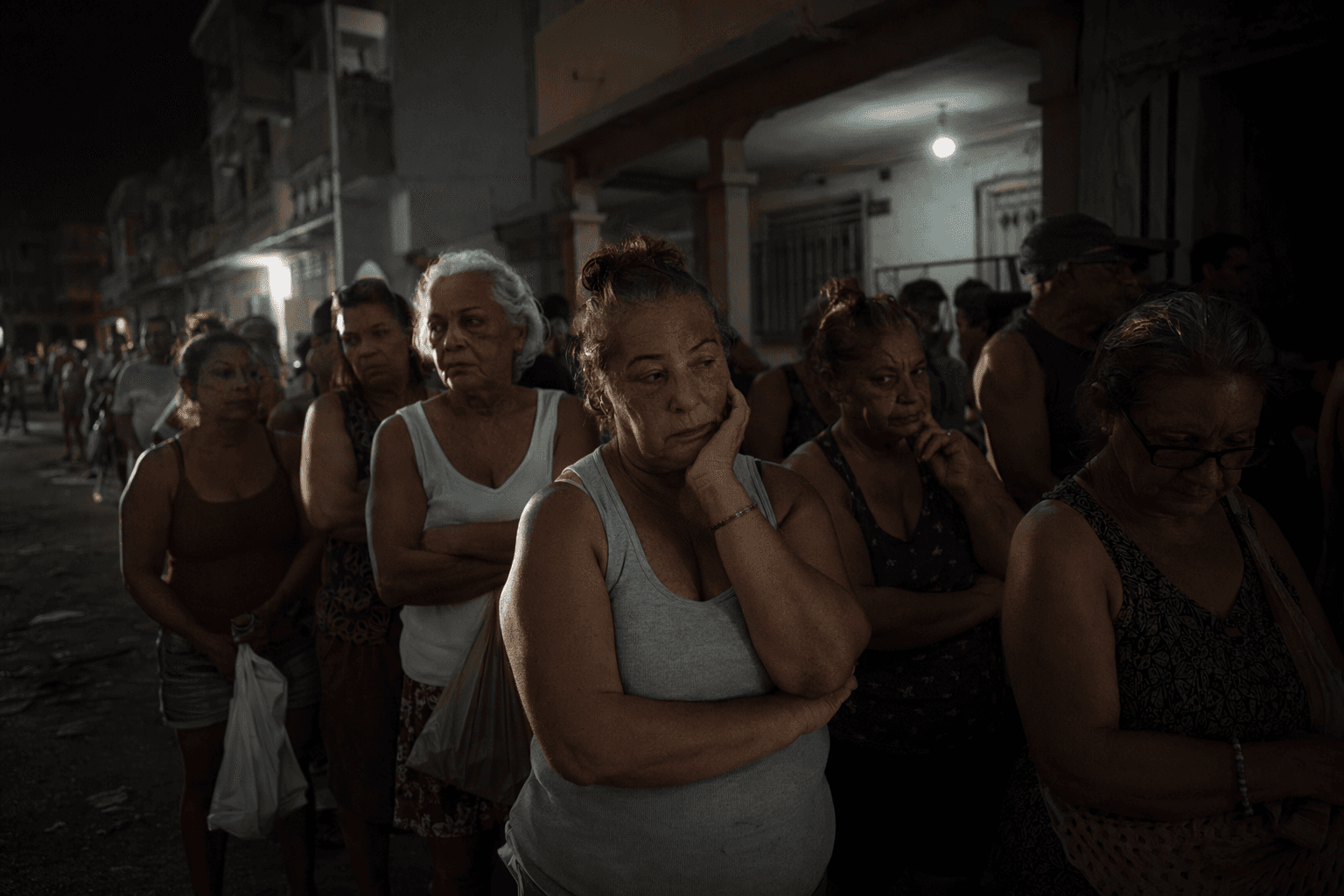
That bank line carried its own insult. Withdrawals were capped at 2,000 pesos per person, a sum that disappears fast in a city where inflation and transport costs keep rising. The limit underscored how the blackout was colliding with a cash shortage and a money system that has already lost much of its usefulness for ordinary purchases. People in Regla were not only trying to get through the day without light. They were trying to stretch a few bills across bread, water, transport and food that had become more expensive by the week.
The scene in Regla mirrored a wider crisis across Cuba. Reuters reported protests in Havana on May 13, 2026 as the capital faced its worst rolling blackouts in decades, and the Associated Press reported another islandwide blackout on March 16, 2026 in a country of about 11 million people. The United Nations said on April 2 that blackouts and fuel rationing were hitting safe water, health, sanitation, education and food delivery, and on May 15 it warned that hospitals were suspending surgeries and struggling to keep lifesaving equipment running.
Cuba’s authorities have promoted a solar expansion plan with 55 solar parks and more than 1,000 megawatts of photovoltaic generation targeted for 2025, but that has not stopped repeated grid failures, including the nationwide collapses Havana Times previously noted in November and December 2024. In Regla, none of that policy language mattered as much as the morning line. After 26 hours without power, people wanted bread, money, water, transport and sleep, and they had run out of patience for excuses.
This article was produced by Prism’s automated news system from verified source data, official records, and press releases, then run through automated quality and moderation checks before publishing. The system is built and supervised by the people who set the standards it runs under. Read our full AI policy.
Did this article answer your question?