Released Cuban activist’s cancer worsened after four years in prison
Alexander Diaz Rodriguez walked out of Artemisa prison on April 4 with cancer worsened by four years inside, after jail denied him the care he needed.
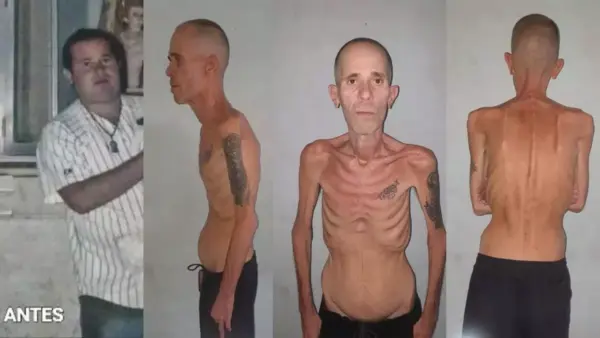
Alexander Diaz Rodriguez walked out of Artemisa prison on April 4 with cancer that had worsened behind bars, after serving a four-year sentence for joining the peaceful July 11, 2021 protests. His release closed one prison case, but it did not undo the damage done by years without the medical care he needed.
Diaz Rodriguez’s arrest grew out of the nationwide demonstrations of July 11, 2021, one of the defining moments in modern Cuban political history. What began as a protest over shortages and hardship became a sweeping crackdown. By August 4, 2021, Amnesty International said 62 people had already been tried in protest-related cases, mainly for public disorder. Later rights monitoring cited nearly 2,000 protesters prosecuted, with 421 still in prison, 331 under non-custodial sentences and 202 handed terms of 10 to 30 years.
His case has stood out because of what prison did to his body. Havana Times reported that Diaz Rodriguez had cancer and did not receive the treatment he needed while incarcerated. In January, Cubanet reported that he had complained by phone from Kilo 5 1/2 prison in Pinar del Río about diarrhea and about the lack of treatment, medication and medicine sent from outside. By the time he was released in Artemisa, rights groups were still publicly pressing for intervention over his health, a sign that the problem had not ended with the sentence.
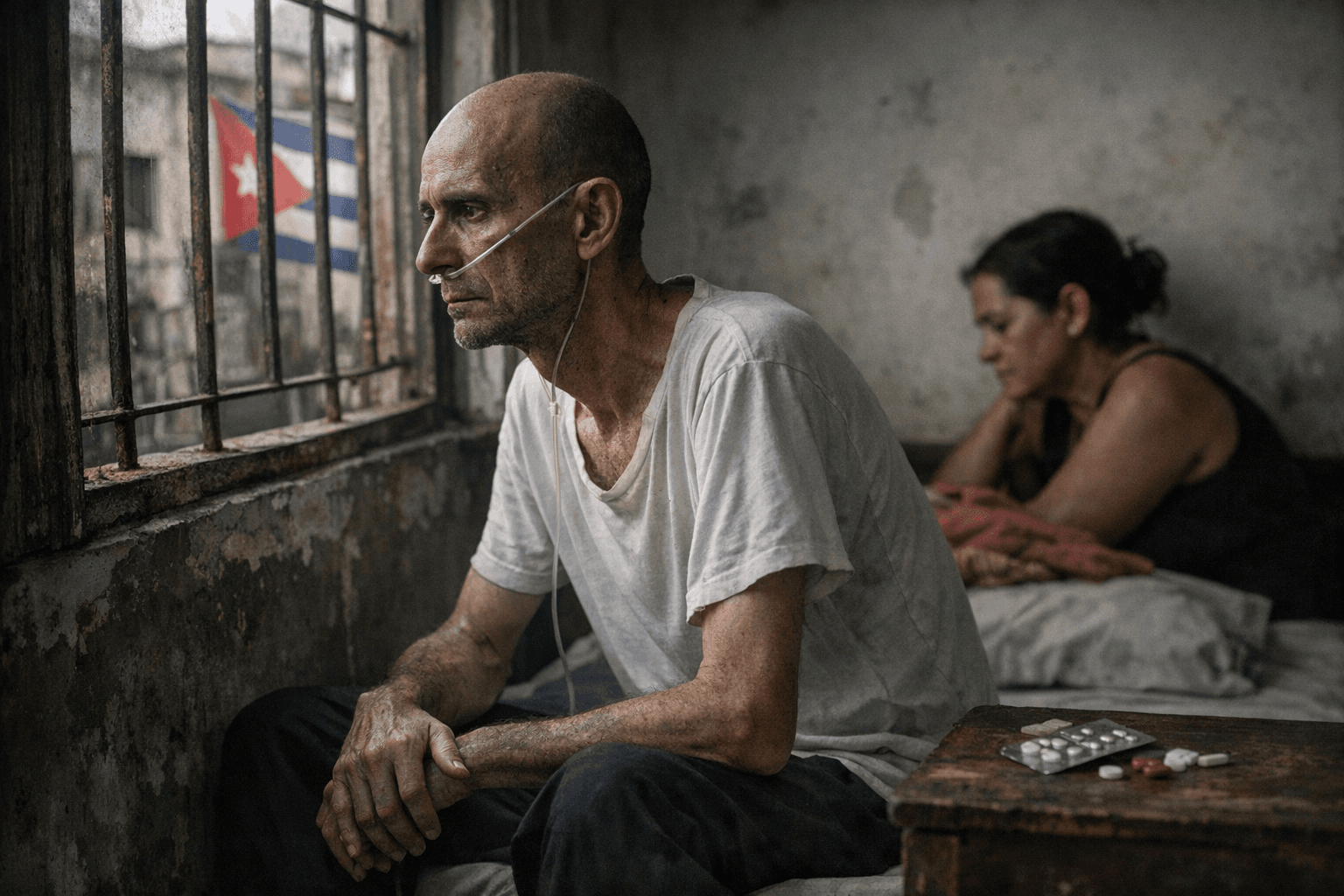
Human Rights Watch said Cuba’s response to the July 2021 protests involved systematic human rights violations meant to punish protesters and deter new demonstrations. In 2025, the group said detainees from those protests had faced beatings, solitary confinement and lack of medical care in prison. In April 2026, it said more than 700 political prisoners remained behind bars, with hundreds more under house arrest or other restrictions. Prisoners Defenders and Justicia 11J have described the same pattern in Cuba’s jails, where punishment is often physical as well as political.
Diaz Rodriguez’s release is a reminder that a prison term can extend far beyond the cell door. For a man living with cancer, four years in custody became four years of survival under pressure, with the state controlling not just liberty but access to care, medicine and time itself.
This article was produced by Prism’s automated news system from verified source data, official records, and press releases, then run through automated quality and moderation checks before publishing. The system is built and supervised by the people who set the standards it runs under. Read our full AI policy.
Did this article answer your question?