Rubio hardens Cuba stance, says reforms impossible under current leaders
Rubio said Cuba’s reforms are impossible under its current leaders, as U.S.-Cuba talks tied economic pressure to prisoner releases and national security.
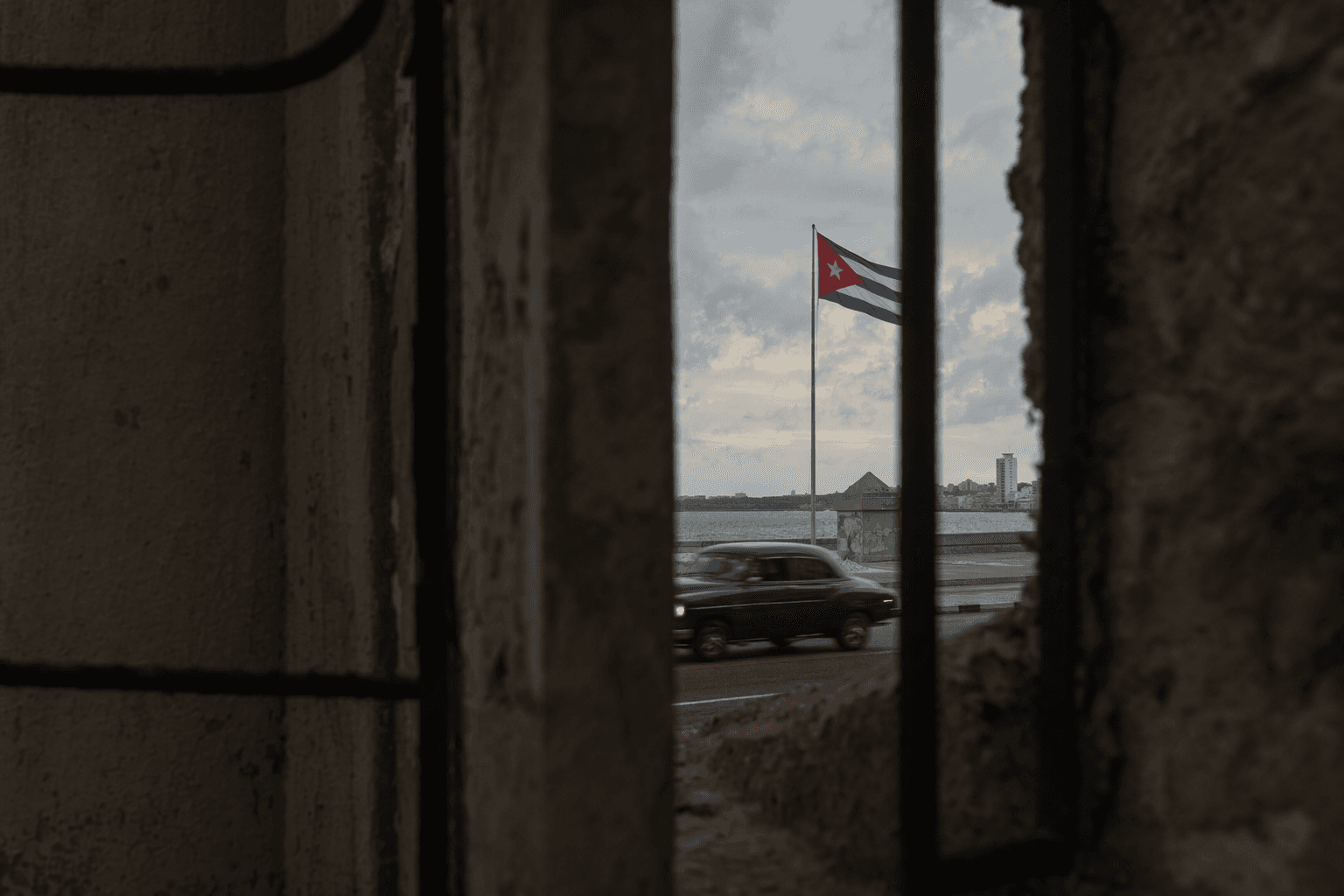
Marco Rubio sharpened the White House’s Cuba line by arguing that the island’s economic rescue is not just stalled, but impossible under its current leaders. In an interview recorded at the State Department in Washington on April 27 and later posted by the department, the secretary of state called Cuba a failed state and said the people running the island were not only economically incompetent, but were also allowing U.S. adversaries to operate there against American interests.
That argument lands at the center of a bigger fight over what is really breaking Cuba: leadership, sanctions, or both. Rubio said Washington would not tolerate “a foreign military, intelligence, or security apparatus” operating with impunity 90 miles from Florida, tying Cuba’s economic collapse to a national-security threat rather than a purely humanitarian one. His new tone is harder than earlier remarks, when he had said Cuba needed serious reforms but stopped short of declaring those reforms unreachable under the current system.
The timing matters. U.S. and Cuban officials met in Havana on April 10 in talks overseen by Rubio, with the American side pressing for economic reforms amid the island’s energy crisis and the U.S. blockade on oil shipments. The agenda also included compensation for expropriated U.S. property, the release of political prisoners, greater political freedoms and concerns about foreign adversaries on Cuban soil. The U.S. reportedly set a two-week deadline for Cuba to free high-profile detainees, including artist Luis Manuel Otero Alcántara and rapper Maykel Osorbo.
Cuba’s own actions complicate the picture Rubio is presenting. The government began releasing more than 2,000 prisoners in early April as part of an amnesty it described as sovereign and humanitarian. Human Rights Watch has said more than 700 political prisoners still remain behind bars, a figure that underscores how far the dispute is from resolution even after the releases.
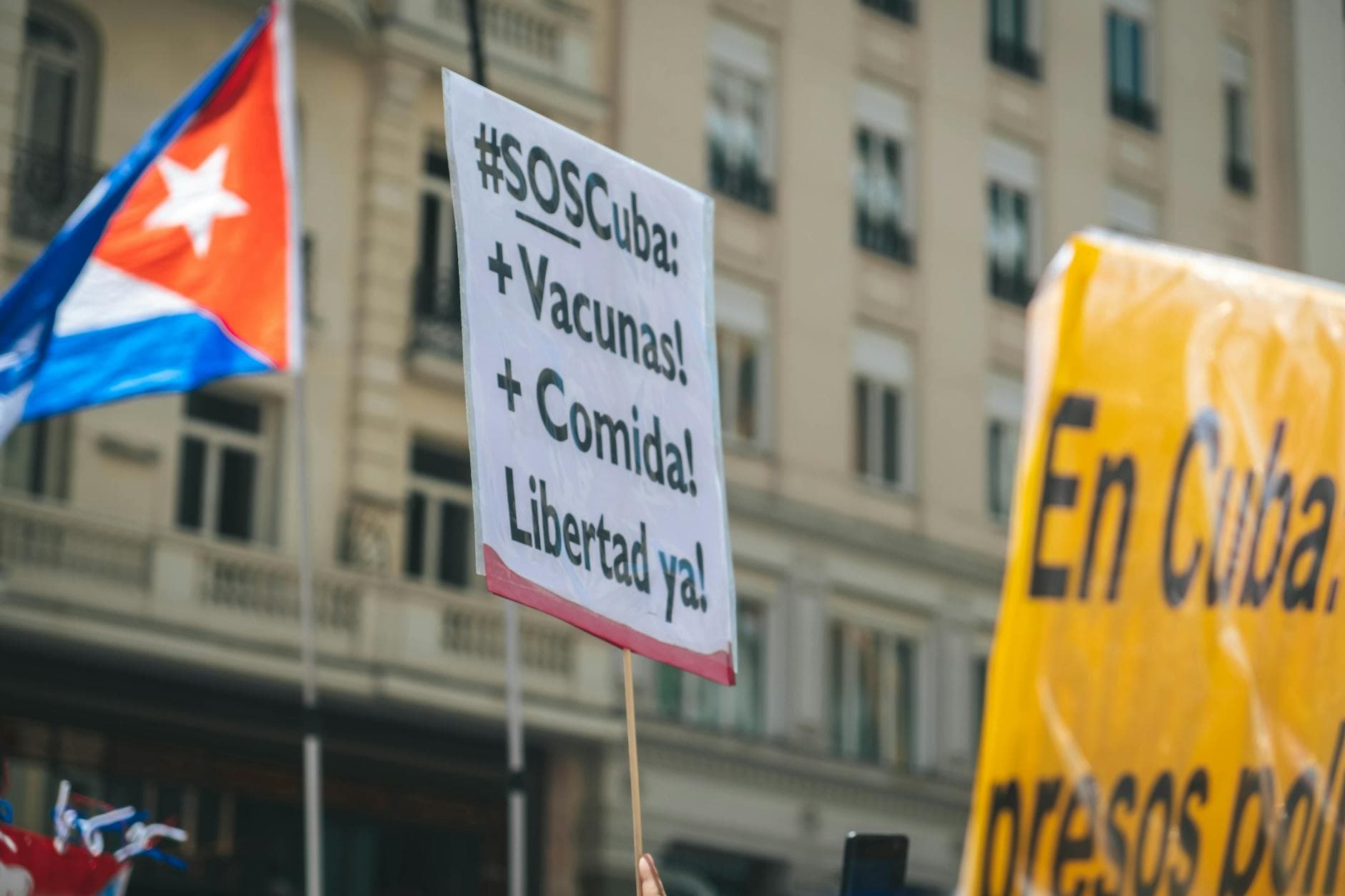
The economic question is just as immediate. Havana has long argued that the U.S. energy blockade worsens fuel and electricity shortages, and the government has made lifting that blockade a central demand. Washington, meanwhile, is now framing Cuba not only as an economic failure but as a strategic problem, especially with Chinese and Russian intelligence believed to have a foothold on the island. Russia said it stood in solidarity with Cuba, would continue humanitarian aid and rejected what it called blackmail and threats from Washington.
For Cubans, the policy fight is not abstract. It reaches into the daily search for food, the collapse of jobs tied to a state-led economy, the pressure to leave, and the narrow space for private enterprise. Rubio’s latest message suggests any future opening will be narrower, more confrontational and more tightly tied to prisoner releases, sanctions and internal political change than to any broad diplomatic thaw.
This article was produced by Prism’s automated news system from verified source data, official records, and press releases, then run through automated quality and moderation checks before publishing. The system is built and supervised by the people who set the standards it runs under. Read our full AI policy.
Did this article answer your question?