Rubio Says Moment Is Ripe for Regime Change in Cuba
Rubio reportedly held secret talks with Raúl Castro's inner circle as Trump declared he'll have "the honor of taking Cuba" amid a power grid collapse.
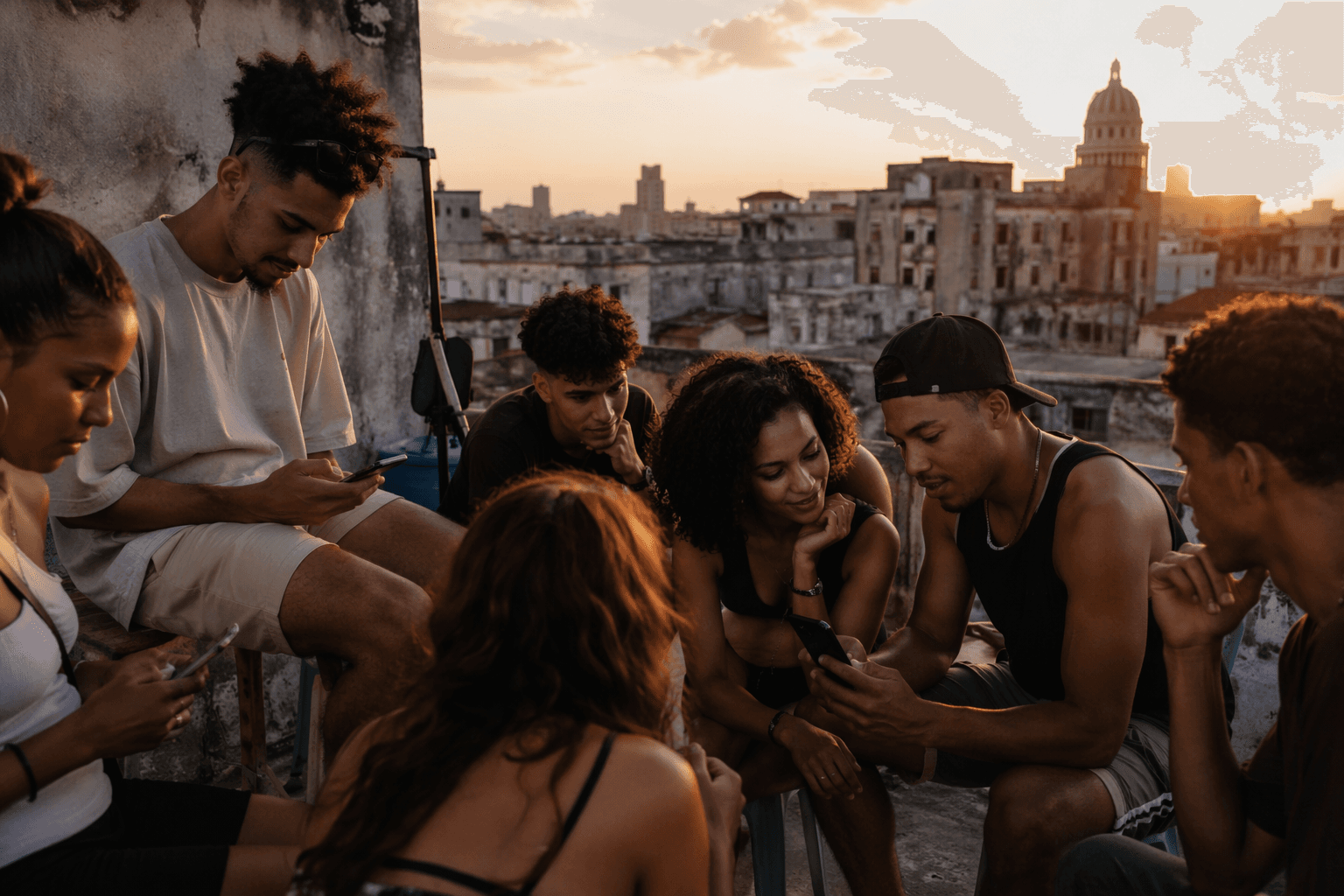
Secretary of State Marco Rubio declared that Cuba's cascading crises had created an opening for political transformation, framing the island's economic collapse and rolling blackouts as evidence that the regime's grip may finally be loosening.
Speaking at the Munich Security Conference, Rubio identified the core problem without ambiguity: "the fundamental problem [is that] Cuba has no economy." The assessment preceded President Donald Trump's Oval Office remark on March 16, in which he said "I do believe I'll be having the honor of taking Cuba" and described the island as "a very weakened nation right now."
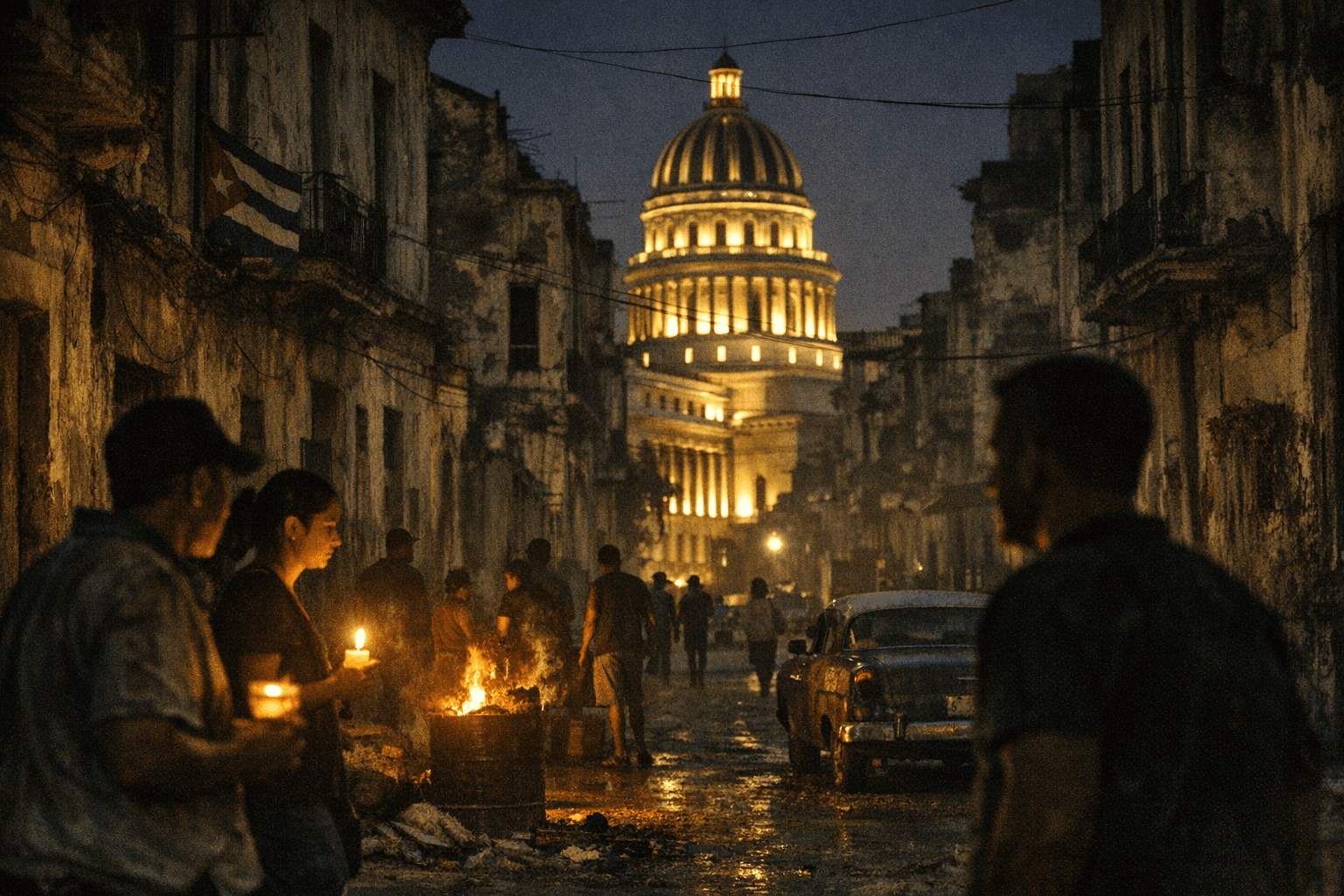
The comments came as Cuba grappled with a total power grid collapse linked to an oil blockade, following the U.S. removal of Venezuelan leader Nicolás Maduro, who had served as Havana's key oil lifeline. The collapse added new severity to a crisis already defined by rolling blackouts, mass migration, and growing unrest that observers described as Cuba's most consequential moment since the fall of the Soviet Union.
Rubio, a Cuban American and former chair of the Senate Select Committee on Intelligence, pursued a dual-track strategy: a sustained pressure campaign through sanctions and tariffs that accelerated after Trump returned to office in January 2025, alongside direct negotiations with Cuban officials. Reports indicated secret meetings were ongoing with Raúl Castro's inner circle, with Rubio's team pairing economic pressure with the promise of relief and opportunity should Havana move toward reform.
Rubio attended a lunch at the Shield of the Americas Summit on March 7 at Trump National Doral Miami in Doral, Florida, working alongside advisors including Stephen Miller and Peter Hegseth. Unlike predecessors wary of regime change, Rubio's anti-Castro pedigree made the policy personal as much as political. "It needs to change dramatically because it is the only chance that it has to improve the quality of life for its people," he said.
Columnist Heather Digby Parton argued that business and commercial interests drove the push, framing potential regime change as a windfall for wealthy Republicans with investment interests 90 miles from American shores.
Having already applied financial chokeholds to force political outcomes in Venezuela, the Trump administration brought that same strategy to Cuba with growing intensity, and with Rubio personally orchestrating negotiations, what Washington decides next will shape whether Havana bends or breaks.
This article was produced by Prism’s automated news system from verified source data, official records, and press releases, then run through automated quality and moderation checks before publishing. The system is built and supervised by the people who set the standards it runs under. Read our full AI policy.
Did this article answer your question?