Rubio urges Cuba to free 700 political prisoners
Rubio’s demand puts 700 Cuban political prisoners back at the center of Washington’s pressure campaign, with travel, remittances and sanctions now the next watchpoints.
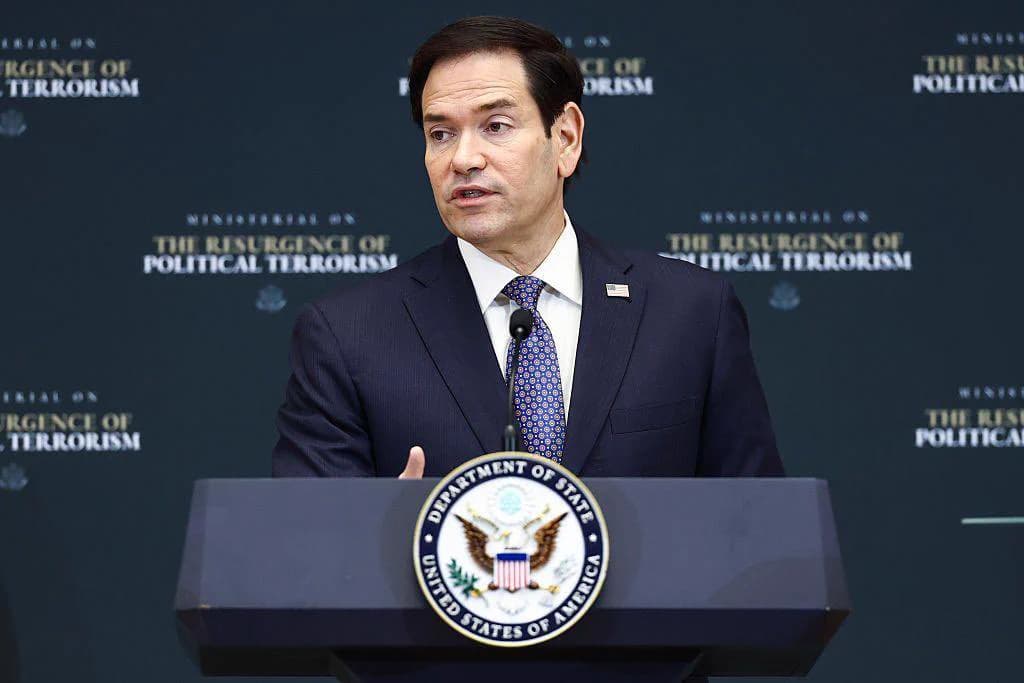
Secretary of State Marco Rubio is pressing Cuba to free about 700 political prisoners, a demand that sharpens Washington’s pressure on Havana and puts sanctions and diplomacy back on the same track. The immediate question is whether that call stays rhetorical or becomes leverage over travel rules, remittances or a broader bilateral squeeze.
The push lands after Cuba began releasing prisoners on Jan. 15, 2025, when at least 15 people were out by mid-afternoon, and then completed the release of 553 prisoners on March 11, 2025 under a Vatican-brokered deal. Those releases were cast as a major step, but human rights groups said they did not end Cuba’s prison crisis.
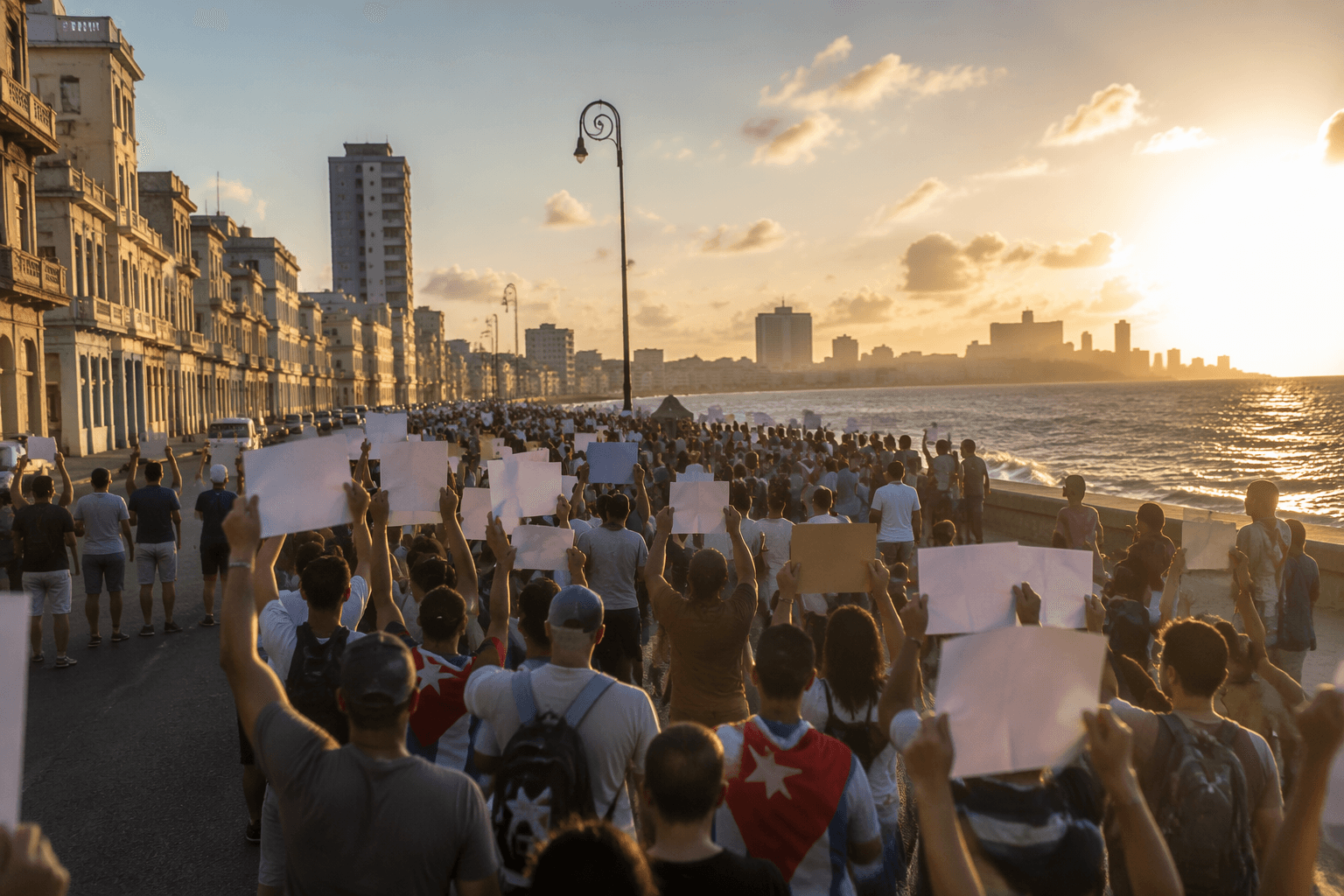
Amnesty International said in February 2025 that a month after the releases were announced, hundreds remained in prison. Its Cuba reporting said repression of dissent and peaceful assembly continued, arbitrary detentions persisted, and access to food, medicines, electricity, health care and education kept worsening. Amnesty International also said Cuban opposition leaders José Daniel Ferrer and Félix Navarro were reimprisoned on April 29, 2025 after being conditionally released in January.
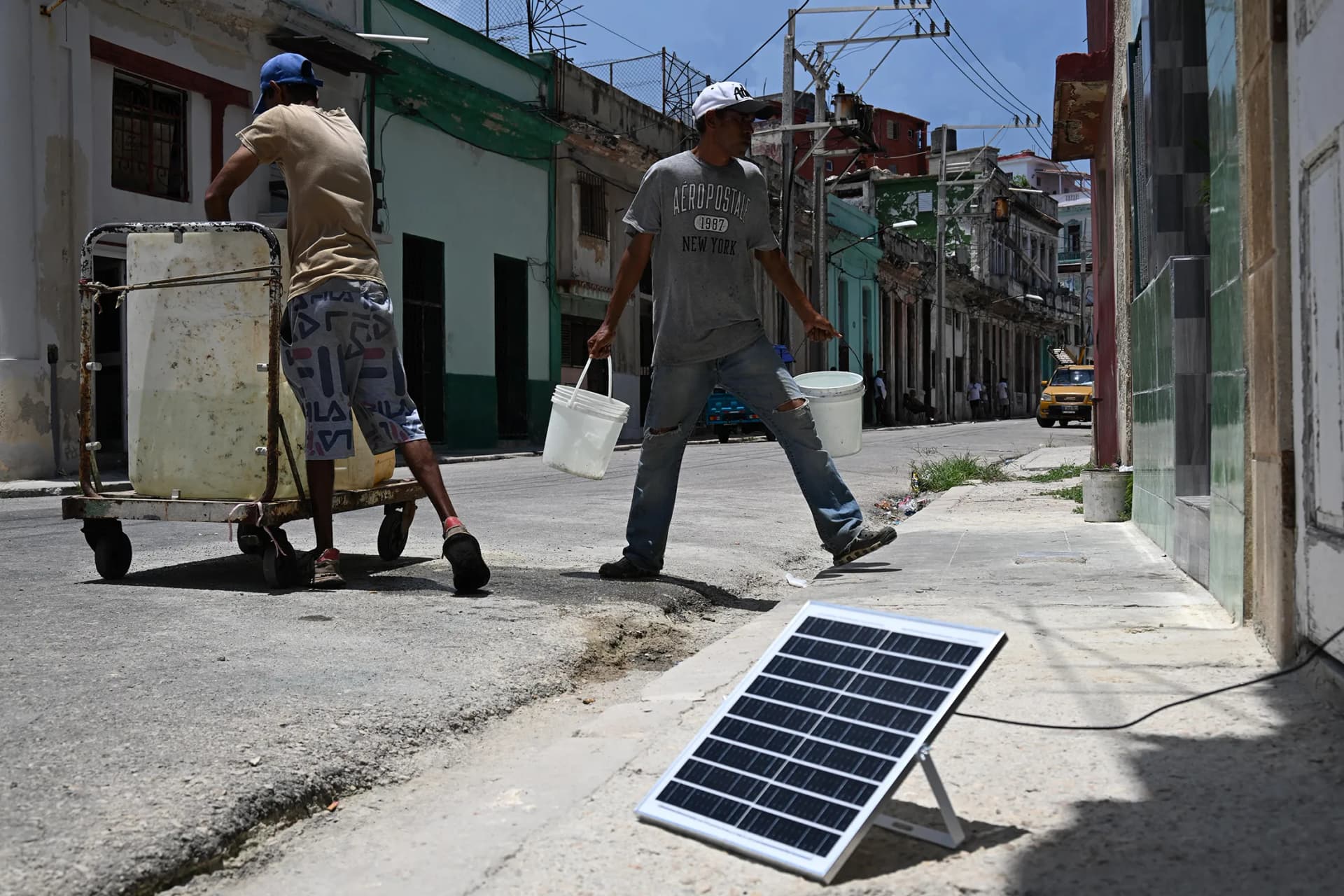
Human Rights Watch’s World Report 2026 said hundreds of critics and protesters, including many participants in the July 2021 demonstrations, remained arbitrarily detained. That is the backdrop for Rubio’s demand: it signals that political prisoners remain one of the main pressure points in US-Cuba policy, and that the administration is still treating human rights as a central diplomatic test rather than a side issue.
What happens next will tell readers whether this is a real policy turn or another escalation in tone. Watch for an official Cuban response, any sign that the demand is tied to sanctions or negotiations, and whether Washington uses the issue to tighten pressure on flights, remittances or other channels that already shape daily life between Miami and Havana.
This article was produced by Prism’s automated news system from verified source data, official records, and press releases, then run through automated quality and moderation checks before publishing. The system is built and supervised by the people who set the standards it runs under. Read our full AI policy.
Did this article answer your question?