Russia vows to stay in Cuba, expand aid amid energy crisis
Russia said it would not abandon Cuba, but the real test is fuel: one 700,000-barrel tanker may only buy the island about nine to 10 days of diesel.
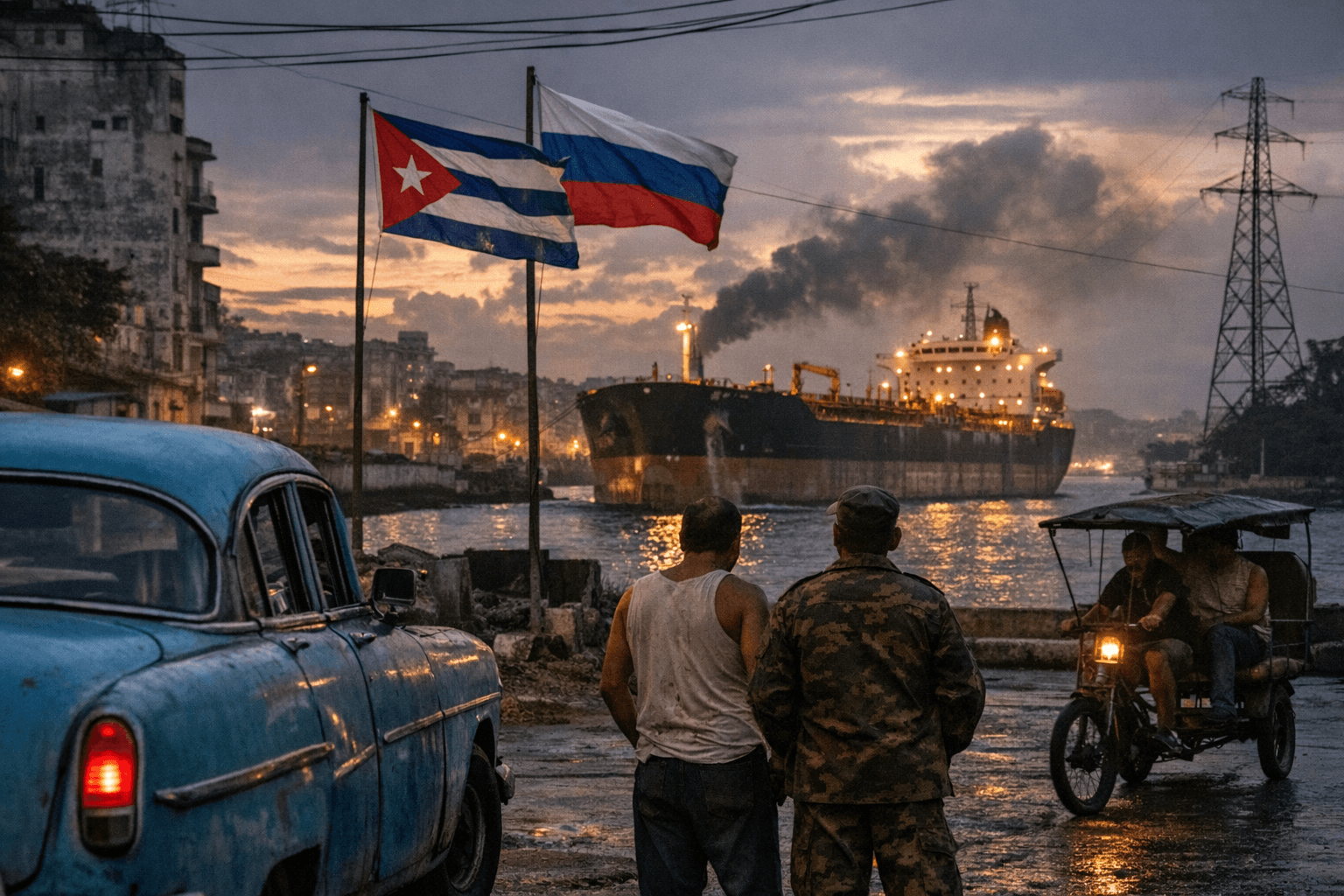
Russia’s promise to stand by Cuba came down to a hard question: how much fuel can Moscow actually deliver, and how fast? Sergei Ryabkov said Russia would not abandon or betray Cuba and would help the island confront energy problems tied to the U.S. embargo, but the clearest relief on offer was the Russian-flagged tanker Anatoly Kolodkin, which reached Matanzas with about 700,000 barrels of crude.
That shipment mattered because Cuba had already been pushed deep into crisis. On March 16, the national electric grid collapsed, leaving around 10 million people without power. The grid came back the next day after a blackout that lasted more than 29 hours, but the breakdown underscored how fragile the island’s energy system had become. Miguel Díaz-Canel said Cuba had gone more than three months without fuel shipments before the Russian tanker arrived, and ordinary Cubans, along with Energy and Mines Minister Vicente de la O Levy, greeted the cargo as badly needed relief.
The practical effect, though, looked limited. Analysts cited in Reuters-linked coverage said the tanker’s cargo could yield about 180,000 barrels of diesel, enough for roughly nine to 10 days of Cuba’s daily needs. Bloomberg said Cuba’s thermoelectric power plants require about 100,000 barrels of oil a day, while domestic production covers only around two-fifths of that demand. That gap helps explain why one delivery, even a large one by Cuban standards, could ease pressure but not solve the shortage that has driven repeated blackouts and fuel rationing.
The diplomatic signaling was as important as the fuel itself. On February 18 in Moscow, Vladimir Putin met Bruno Rodríguez and called new restrictions on Cuba unacceptable, while Sergey Lavrov urged Washington not to blockade the island. Russian Energy Minister Sergei Tsivilyov later said Moscow planned to send a second tanker to Cuba, suggesting the Anatoly Kolodkin was meant as the start of a wider effort, not a one-off gesture. The White House said sanctions policy had not changed and noted that the tanker was allowed to deliver fuel for humanitarian reasons, a detail that made the arrival possible even as Washington kept up pressure on Havana.
For Cuba, that left a familiar pattern in place: Russia offering political cover, one tanker at a time, while the island’s daily energy crisis kept running far ahead of the promises.
This article was produced by Prism’s automated news system from verified source data, official records, and press releases, then run through automated quality and moderation checks before publishing. The system is built and supervised by the people who set the standards it runs under. Read our full AI policy.
Did this article answer your question?