Spain Backs Cuba With Aid, Rejects Trump Pressure on Island's Future
Spain's FM Albares told Congress on March 25 that Cubans must decide their own future, pledging emergency aid while rejecting Trump's "friendly takeover" threats.
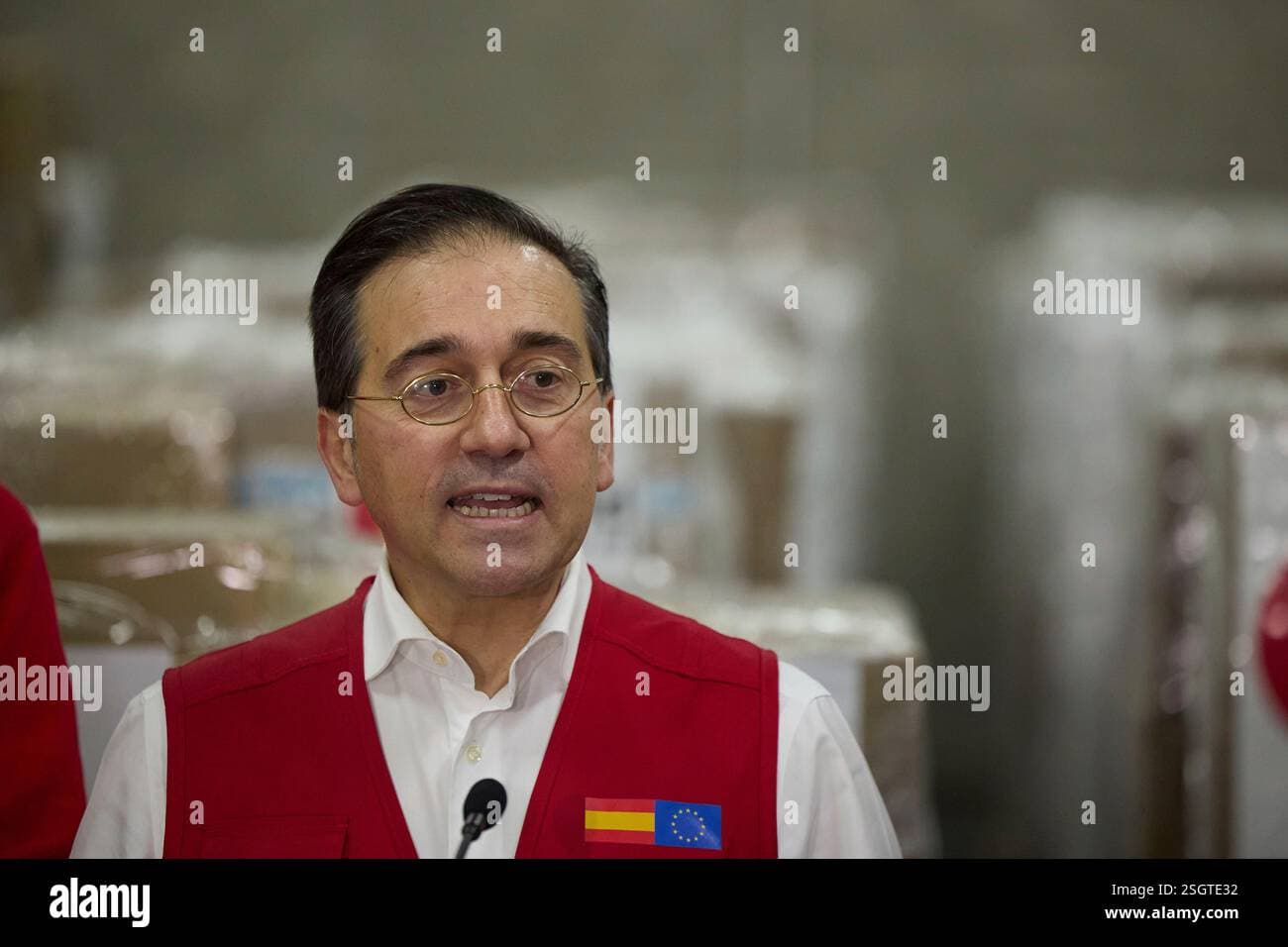
Spanish Foreign Minister José Manuel Albares stood before the Spanish Congress on Wednesday and drew a clear line in the sand: Spain will send emergency humanitarian assistance to Cuba and insists that "they and only they" decide the island's future, explicitly distancing Madrid from the pressure policy of President Donald Trump's administration.
The declaration carries real weight given the moment. On March 16, Trump escalated his rhetoric against Cuba, arguing the leadership was on the verge of collapse and saying he expected to have the "honour" of taking the country. Trump had stated it "may be a friendly takeover. It may not be a friendly takeover. It wouldn't matter because they are down to, as they say, fumes." Against that backdrop, Albares' message from Madrid amounted to a direct rebuttal from a NATO ally.
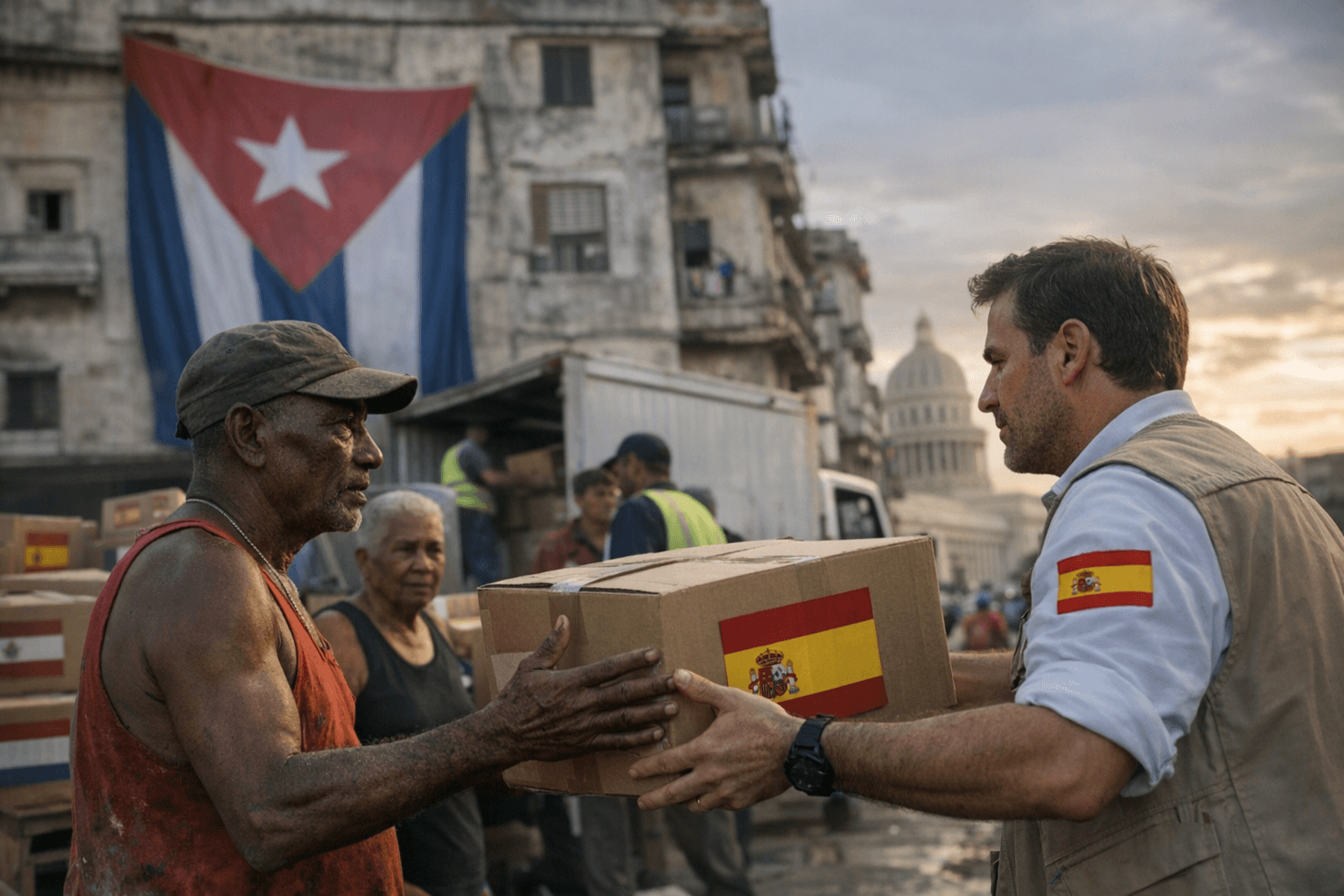
The humanitarian aid Albares reaffirmed on March 25 was first committed back in February. Albares had received Cuban Foreign Minister Bruno Rodríguez Parrilla in Madrid at the latter's request; the meeting addressed the current situation in Cuba following the tightening of the embargo, and Spain pledged to provide humanitarian aid to Cuba through the United Nations system, including food and essential medical supplies, via the Spanish Agency for International Development Cooperation (AECID). In his congressional appearance Wednesday, Albares reiterated Spain's commitment, emphasizing that the aid aims to relieve the situation of the Cuban people amid what he called a "complex time" marked by shortages and economic difficulties. He added that Spain is working both bilaterally and within the European Union to address the crisis.
Spain also reiterated its opposition to the U.S. embargo on Cuba. Albares said Spain would "always stand by the Cuban people" and that any resolution to the island's political future must flow from Cuban citizens themselves, not from external pressure campaigns originating in Washington.
The debate generated sharp tensions inside the Congress chamber. Leftist sectors used the forum to mount an open defense of the Cuban government and challenge U.S. policy. Gabriel Rufián, the spokesperson for Esquerra Republicana (ERC), was among the most vocal: he described U.S. policy as a "brutal blockade," declared Cuba "a political symbol on a global scale," and praised the Cuban system's performance during the COVID-19 pandemic, including its dispatch of doctors to other countries. Rufián closed his remarks by cheering "Viva Cuba" from the congressional floor.
Those interventions did not go uncontested. Other sectors of the Congress pushed back, holding the Cuban regime itself responsible for the deep economic and social crisis affecting millions of Cubans and criticizing the lack of political freedoms on the island.
The island has spiraled into a worsening humanitarian crisis, with electrical grid failure, hospitals canceling surgeries, and schools and businesses closing — the context that makes Spain's aid pledge more than diplomatic posturing. Cuba's economy is projected to shrink by more than 7 percent in 2026, while over the past several years, Cuba's infant mortality rate has nearly doubled, and some 20 percent of its population has left. Spain's willingness to publicly contradict a sitting U.S. president over the island's fate signals that the diplomatic pressure around Cuba is now flowing in multiple directions, not just from Washington outward.
This article was produced by Prism’s automated news system from verified source data, official records, and press releases, then run through automated quality and moderation checks before publishing. The system is built and supervised by the people who set the standards it runs under. Read our full AI policy.
Did this article answer your question?