Top 10 Cuban Dishes to Try: Ropa Vieja, Moros y Cristianos, Flan
Learn the must-try Cuban plates, what makes each special, where they fit in daily life and celebrations, and practical tips for tasting them in Cuba.
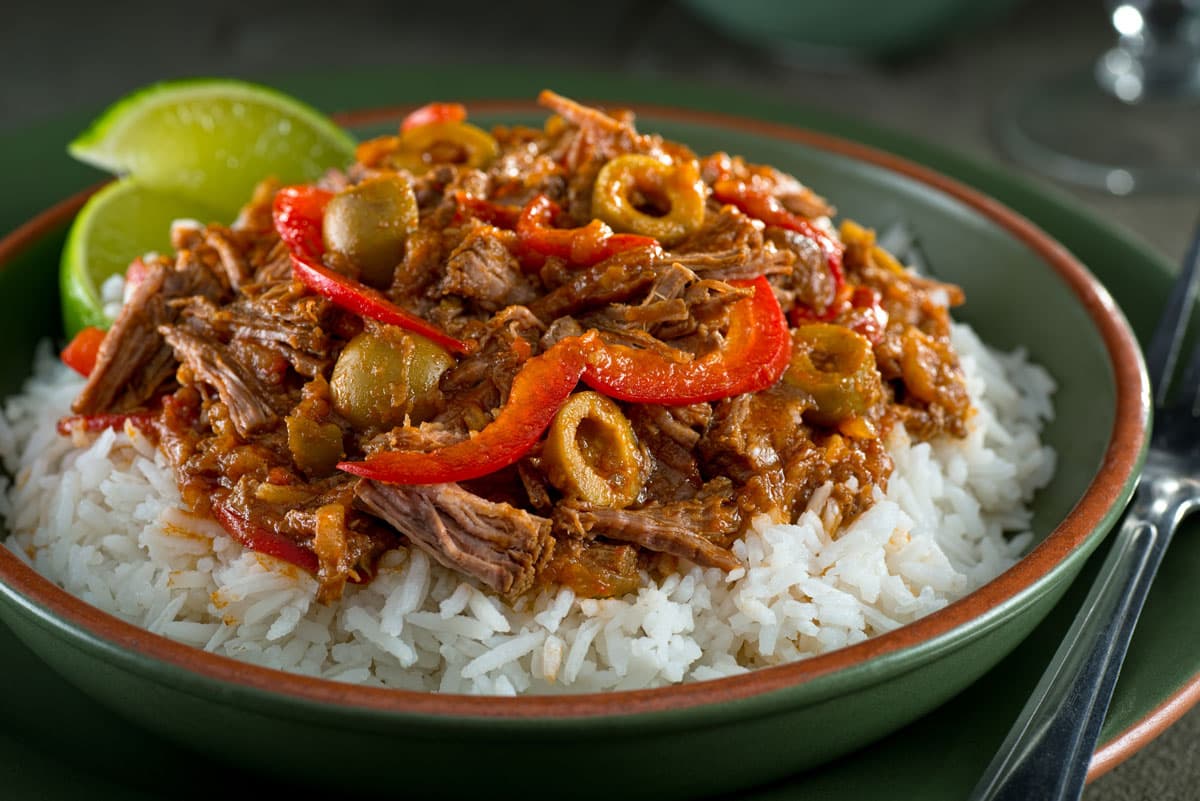
Cuba’s food is a lively mix of Spanish, African and Caribbean flavors, start with the national favorite and work through staples, sides, and a dessert that ties the meal together. This ranked list puts the dishes you’re most likely to encounter and should try in clear order, with what to expect, when they appear, and simple tips for tasting like a local.
1. Ropa vieja
Ropa vieja is Cuba’s signature shredded beef dish: tender beef simmered in a savory tomato-based sauce with bell peppers, onions and garlic. It’s commonly described as slow-cooked and packed with spices; Classic Havana paladares and many restaurants in Old Havana serve it. For many travelers and locals it’s the benchmark of Cuban comfort food, as one long-time visitor put it, “For me, you can’t explore the food in Cuba and not try this. Every trip for me starts ropa vieja. It’s my all-time favourite.” When it arrives, serve it over rice and beans and, if in season, pair with an avocado salad: “When you sit down to a steaming plate of ropa vieja served with rice and beans, and an avocado salad if you’re in season, you’re tasting Cuban tradition at its finest.”
2. Moros y Cristianos (Congrí)
This classic rice-and-beans combo, literally “Moors and Christians” (Moros = black beans; Cristianos = white rice), is made by cooking black beans and white rice together in one pot with a sofrito base for deep, blended flavor. It’s a home-table staple and a ceremonial dish at Noche Buena (Christmas Eve) family meals; some menus and cooks use the alternate name Congrí, but the idea is the same. Expect each bite to carry the earthy richness of beans threaded through fluffy rice, simple, filling, and everywhere.
3. Lechón asado
Lechón asado is the centerpiece for many Cuban celebrations: whole pig or pork shoulder slow-roasted or spit-roasted until the exterior is caramelized and the interior stays succulent. The preparation often involves a citrus-garlic marinade and long, patient roasting; one source sums it up: “The star of many celebrations! Pork shoulder soaked overnight in citrus-garlic marinade results in melt-in-your-mouth goodness when slow-roasted till perfectly caramelized outside but succulent inside, it's heaven on earth!” When you see lechón at a feast, expect communal plates, bold citrus and garlic notes, and crisp edges around richly flavored meat.
4. Picadillo a la cubana
Picadillo is a home-style minced-beef stew spiked with tomatoes, onions, peppers and spices, often rounded by small touches like raisins or olives. It’s typically served with rice and fried plantains, a practical, everyday plate that’s also comfort food. If you’re trying a local cook’s version, know that tastes vary: as one fan notes, “I’m a fan, but hold the raisins,” so don’t hesitate to ask for your preference.
5. Frijoles negros (black beans)
Black beans are foundational to Cuban cooking: served on their own, folded into rice dishes, or paired with white rice and plantains, they’re a daily source of flavor and protein. In Cuba they appear both as standalone stews and as part of Moros y Cristianos; good black beans will be seasoned in sofrito and simmered until the stock is rich and silky. For travelers, ordering a plate with black beans is an easy, inexpensive way to taste authentic seasoning and home-cooking technique.
6. Yuca con mojo
Yuca con mojo is boiled cassava (yuca) finished with a bright, garlicky mojo sauce, usually lots of garlic, citrus and oil, that cuts through richer mains like roast pork. It’s a refreshing, starch-forward side that brings texture contrast and citrus lift to any plate. Look for it alongside lechón or ropa vieja to balance out bold flavors.
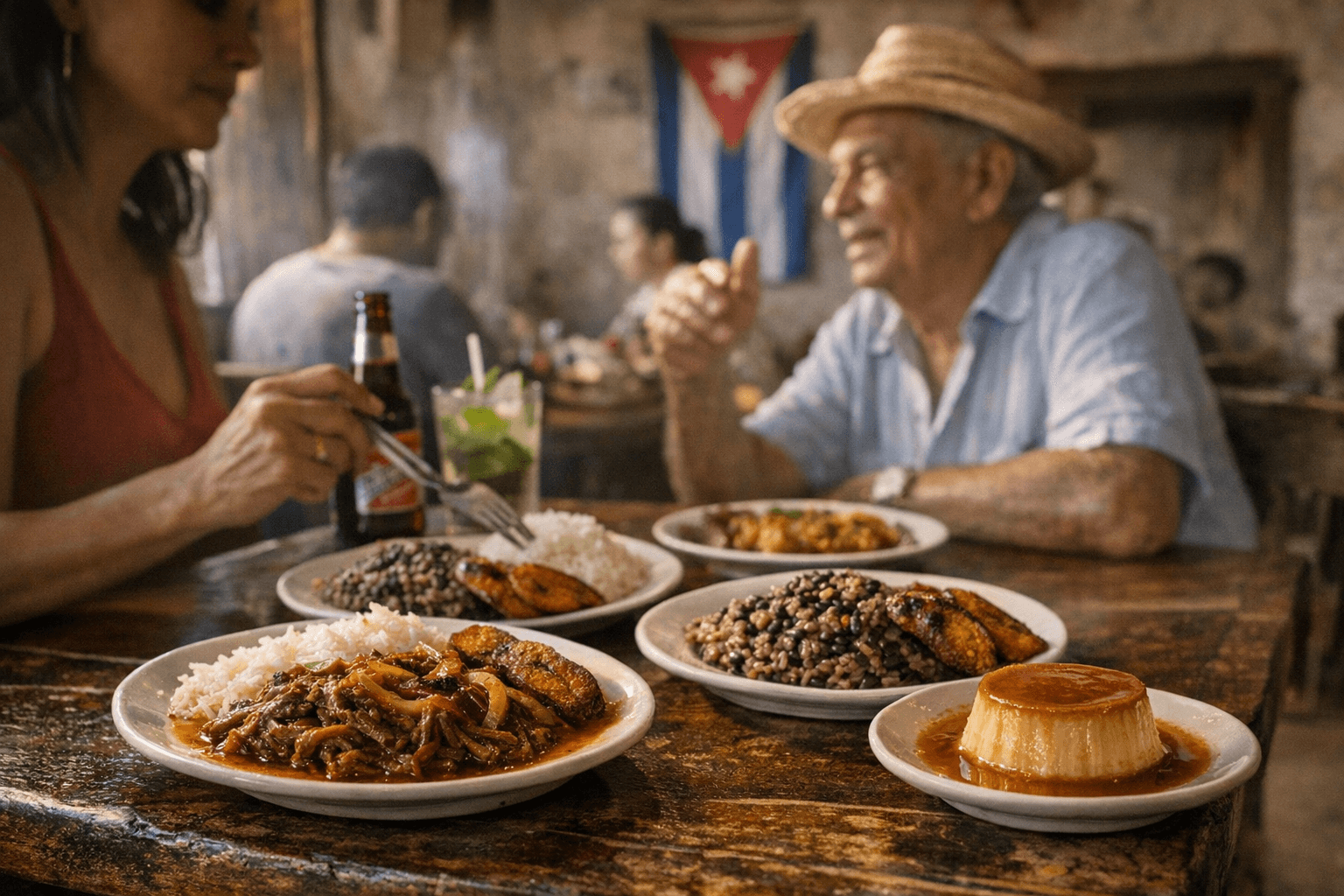
7. Vaca frita
Vaca frita, literally “fried cow”, starts with marinated flank steak that’s tenderized (often boiled) and then pan-fried until the edges crisp while the interior stays juicy. It’s a go-to protein that pairs perfectly with white rice and black beans, and the technique highlights Cuba’s love of layered textures: soft interior, crunchy rim. Ordering vaca frita is a solid move when you want bold beef flavor without heavy saucing.
8. Arroz con pollo (a la chorrera)
Arroz con pollo is Cuba’s celebratory chicken-and-rice, and the a la chorrera version is prized for its extra juiciness and bright color. As one Cuban recipe source explains: “El arroz con pollo is synonymous with celebration in Cuba. But not just any arroz con pollo: ours is 'a la chorrera,' which means it turns out juicy, almost creamy, never dry.” They add: “The bright yellow color comes from bijol or turmeric, and the flavor from a good sofrito, beer (the secret ingredient of many grandmothers) and the broth in which the chicken was cooked. It’s served with petit pois on top and bell peppers, because in Cuba we like food to please the eyes as well.” In short: expect bright, aromatic rice studded with peas and peppers and a deeply seasoned chicken broth.
9. Tostones
Tostones are double-fried green plantain slices, fried once to cook, smashed, then fried again to crisp, and they’re the crunchy, salty backbone of many Cuban plates and snacks. They can be a side, a base for toppings, or a snack with a squeeze of lime and a pinch of salt; modern variations include stuffed tostones topped with meats or seafood. As one source puts it: “Once you try a good toston , crispy on the outside, tender on the inside, with that plantain flavor unlike anything else, you will understand why Cubans can't live without them.” Keep them on your short list for quick bites or as a textural counterpoint to saucier mains.
10. Flan Cubano
Finish with flan Cubano: a classic caramel custard that’s silky, smooth and glazed with a glossy caramel sauce. Many Cuban versions use sweetened condensed milk and eggs, which gives the flan its dense, creamy texture and sweet, caramel-forward profile. It’s often described as the perfect finish to a bold meal, an easy dessert to seek out after a heavy, savory tasting session.
- Start with ropa vieja at a paladar in Old Havana to see why it’s treated as the national dish.
- Listen for “a la chorrera” or ask about bijol/turmeric if you want the vivid arroz con pollo experience described above.
- If you prefer your picadillo without raisins, ask, it’s a common customization.
- Use tostones as a snack stop or a crunchy side; pair flan to round out a rich plate.
Practical tasting tips
Cuban food is about shared plates, bright sofrito and the gentle insistence of slow cooking. Taste broadly, ask cooks what’s in the sofrito, and let celebration plates like lechón or arroz con pollo guide you to the best local moments, the food tells the story, and a single plate can lead you straight into the room where people eat, talk and celebrate.
This article was produced by Prism’s automated news system from verified source data, official records, and press releases, then run through automated quality and moderation checks before publishing. The system is built and supervised by the people who set the standards it runs under. Read our full AI policy.
Did this article answer your question?