Top U.S. General Tells Senate: Southern Command Not Planning Cuba Invasion
Gen. Francis Donovan told the Senate Armed Services Committee that Southern Command is not rehearsing a Cuba invasion, even as the island's grid collapsed three times in March.

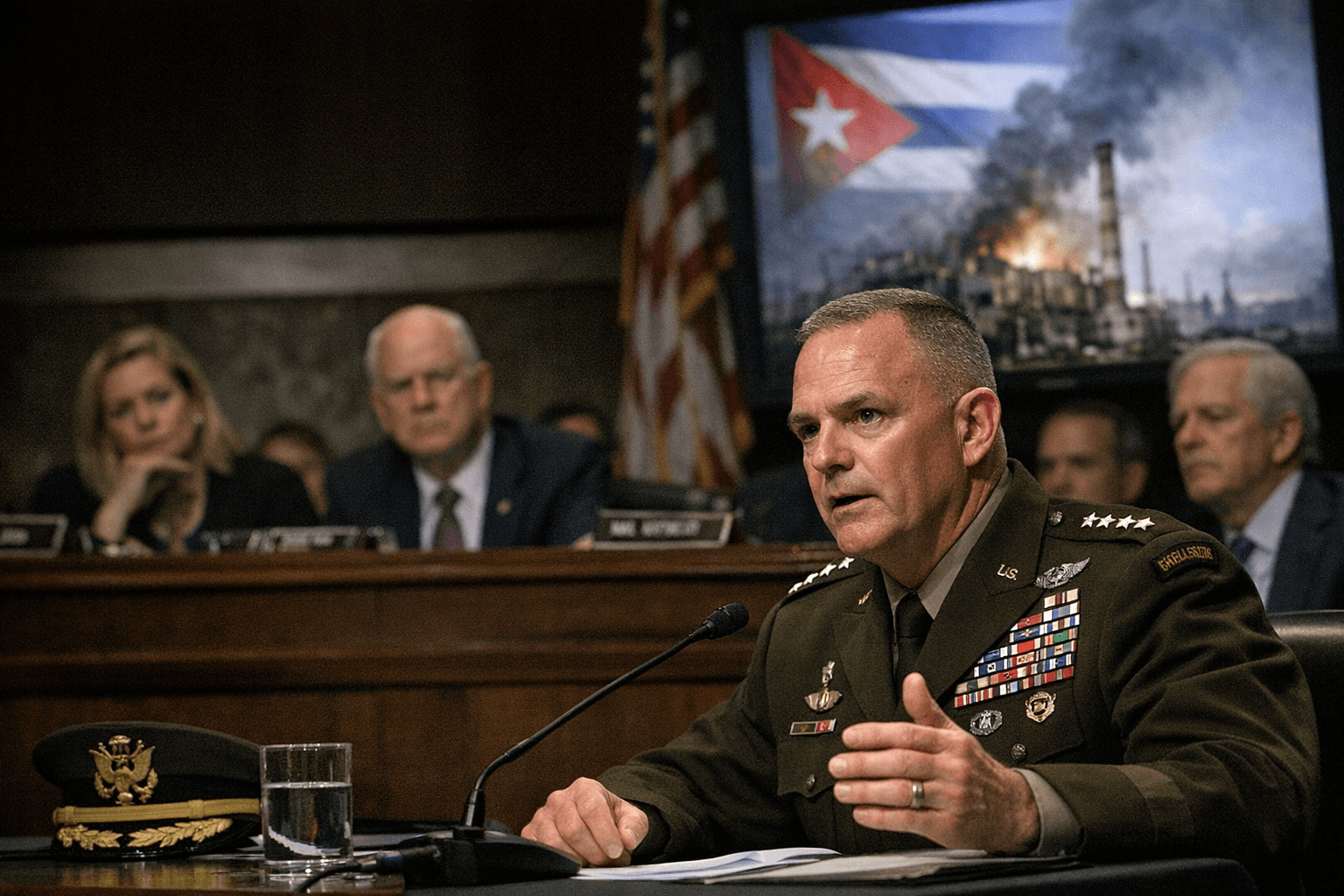
General Francis L. Donovan, commander of U.S. Southern Command, appeared before the Senate Armed Services Committee on March 19 and delivered a categorical answer to the question on every Cuba-watcher's mind: no invasion is coming, at least not from his command.
When asked directly whether any U.S. military command was conducting exercises involving the seizure, occupation, or control of Cuban territory, Donovan replied: "U.S. Southern Command is not." He was then asked whether he knew of any U.S. military command doing so, and Donovan responded: "No."
The U.S. stands ready to address any threats to the U.S. embassy, defend its base at Guantánamo Bay, and aid U.S. government efforts to address any mass migration from the island, if needed, Donovan said. He was specific about what that migration response would look like: "We have an order to support the Department of Homeland Security. Whether by sea or land, primarily at the Naval Base in Guantanamo where we will set up camp to deal with those migrants," Donovan told senators.
In the hearing, Donovan also noted that Guantánamo Bay had suffered storm damage and needed fresh investment. "I won't pull any punches, it's in rough shape," he said of the base. "Because of the hurricane damage, we're down to one working pier and one refueling pier."
Donovan's remarks came during a Senate hearing focused on President Donald Trump's increasingly muscular use of the U.S. military in Latin America, where his administration has re-asserted the idea that the region falls into Washington's zone of influence. On March 16, Trump stated he expects to take Cuba "in some form" and claimed he can "do whatever he wants" with the island, located just 180 kilometers south of Florida.
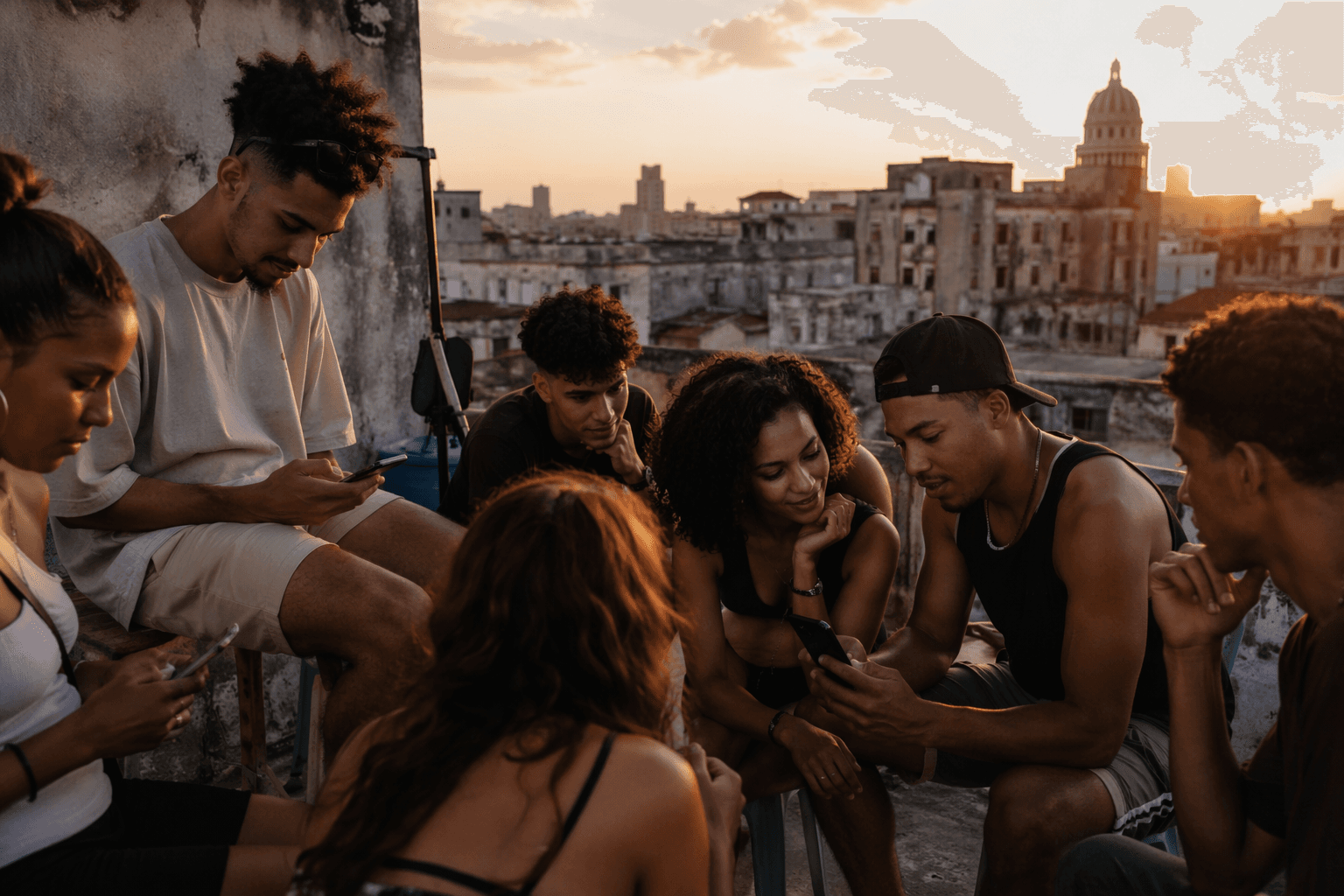
The hearing also took place against the backdrop of a cascading energy crisis on the island. Cuba's power grid collapsed on Saturday, March 21, for the second time in a week amid the U.S.-imposed oil blockade. Saturday's outage was the second in the past week and the third in March. Cuban President Miguel Díaz-Canel said no oil had been delivered to the island in the last three months. Cuba produces barely 40 percent of the fuel it needs to power its economy.
Trump has launched military strikes on suspected drug boats and is expanding counter-narcotics alliances with pro-Washington governments in Latin America. In January, U.S. special forces seized Venezuela's then-President Nicolás Maduro in a raid on his Caracas compound and transported him to New York to face drug-trafficking charges. Donovan, who served as deputy commander of U.S. Special Operations Command during that operation, visited Venezuela last month for security talks, just days after assuming leadership of U.S. Southern Command.
Questions about U.S. next steps come as Cuba and the United States have opened talks aimed at improving their largely adverse relations, which have reached one of the most contentious moments in the 67 years since Fidel Castro overthrew what had been a close U.S. ally. Cuba's Deputy Foreign Minister Carlos Fernandez de Cossio responded to Trump's threats this week, insisting the island had "historically been ready to mobilise as a nation for military aggression." "We don't believe it is something that is probable, but we would be naive if we do not prepare," de Cossio told NBC's Meet the Press.
For Donovan, the line between contingency planning and active preparation was the crux of his testimony. The Pentagon, he made clear, is ready for instability spilling outward from Cuba. An invasion of Cuba itself is a different matter entirely.
This article was produced by Prism’s automated news system from verified source data, official records, and press releases, then run through automated quality and moderation checks before publishing. The system is built and supervised by the people who set the standards it runs under. Read our full AI policy.
Did this article answer your question?