Train travel in Cuba fades as fuel shortages disrupt rail service
Cuba’s trains are still moving, but fuel shortages have turned interprovincial rail into a far less dependable way to get to work, see family, or cross the island.
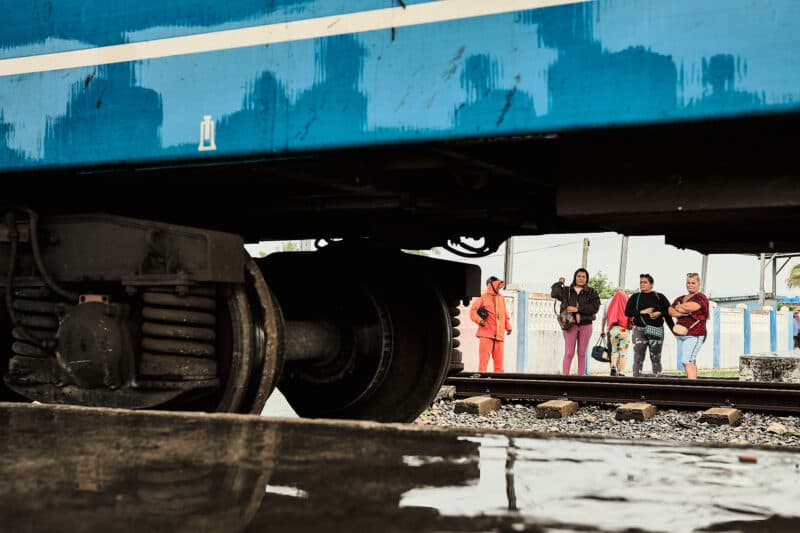
The rail network is no longer a reliable backstop
Cuba’s trains used to be one of the cheapest ways to move across the island. Now they are a blunt measure of how badly everyday mobility has been hit, with fuel shortages forcing service cuts, route reshuffling, and tighter limits on rail operations. The result is simple and brutal: when the trains thin out, so do the chances of getting to work on time, visiting family across provinces, or keeping school and medical routines intact.
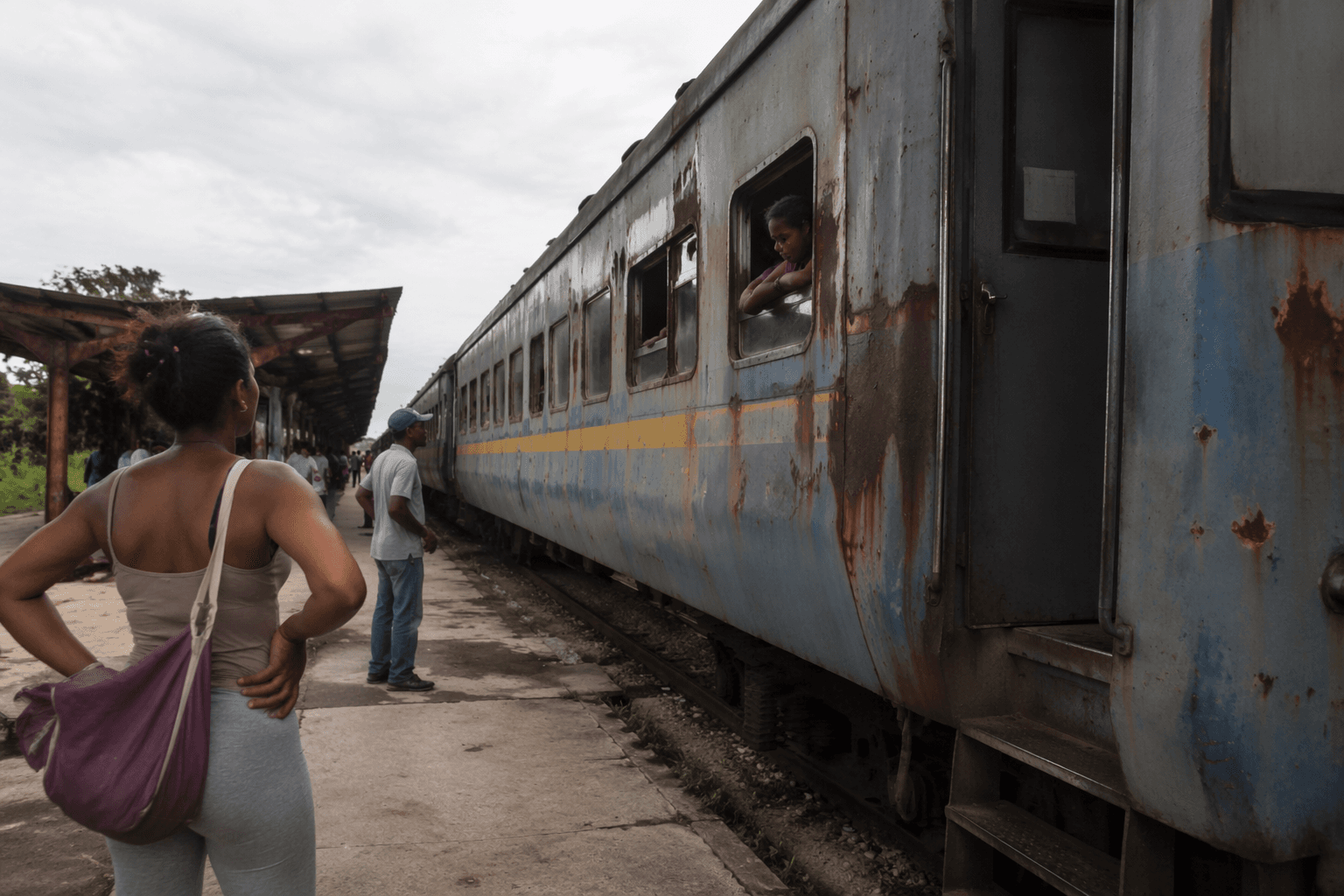
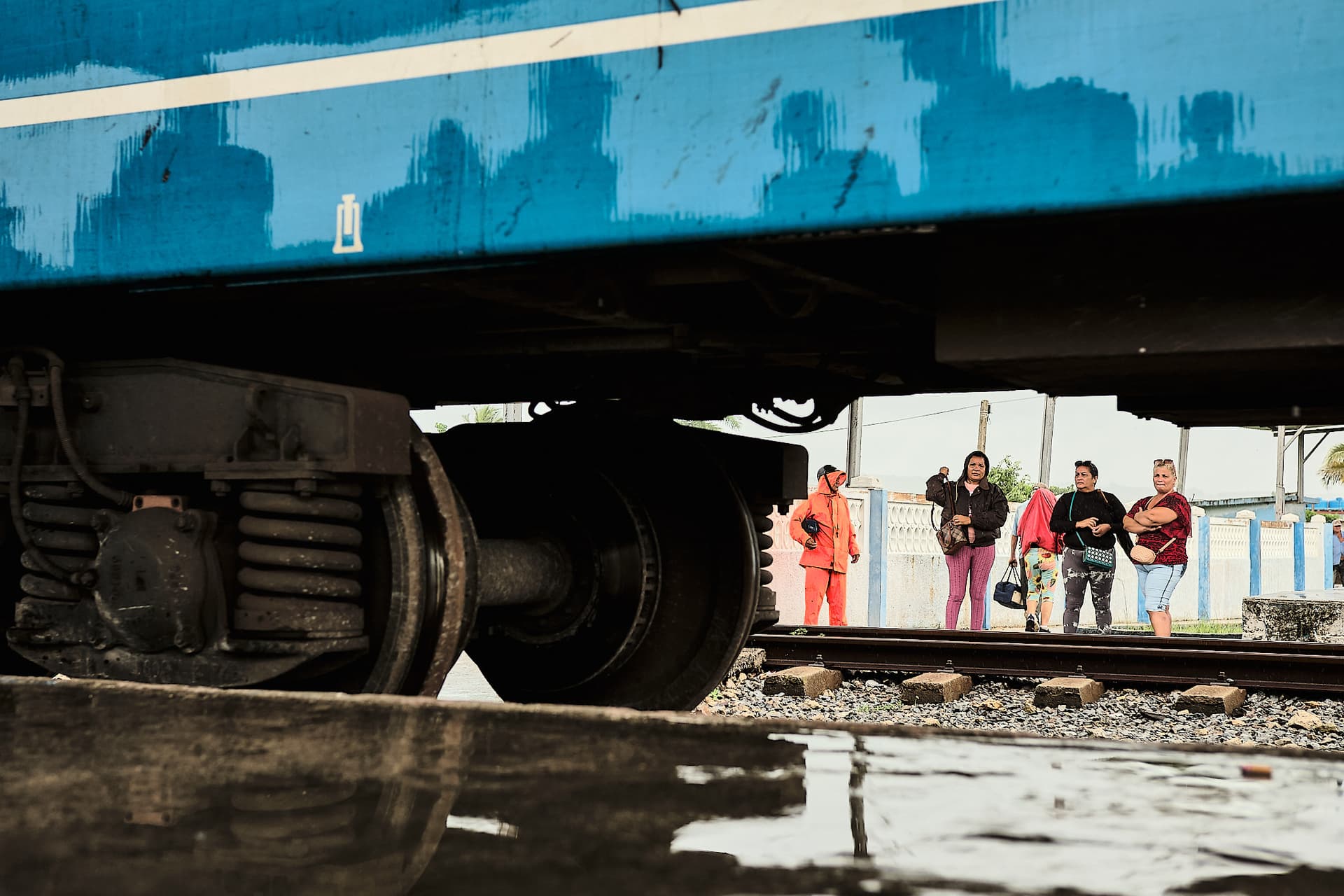
The decline is not abstract. A photo essay centered on the Santa Clara to Matanzas run captures a rail system that still exists, but no longer carries the dependable rhythm Cubans built their lives around. That matters because train travel was never just transportation in Cuba. It was the affordable option for students, soldiers, vendors, families, and workers who needed to cross long distances without paying for private transport or constantly chasing interprovincial buses.
Why the cutbacks hit so hard
The country’s transport system is going through one of its hardest periods in decades, and rail is only one piece of that collapse. In February 2026, Cuba’s Ministry of Transport announced major reductions in passenger service amid a fuel emergency, and the railway has been caught in the same squeeze. With service frequency cut back and routes reorganized, trains no longer function as the predictable long-haul connector they once were.
That has direct daily consequences. When a rail link becomes uncertain, the cost is not limited to the ticket counter. It reaches school attendance, work shifts, family care, and the ability to move between provinces without improvising every leg of the trip. For people in Cuba who already live with blackouts, shortages, and reduced bus service, the loss of dependable rail access deepens isolation instead of easing it.
The island’s rail crisis is part of a wider energy emergency
The rail collapse sits inside a much larger fuel and power crisis. The United Nations warned in February 2026 that fuel shortages in Cuba were worsening humanitarian conditions and disrupting healthcare, water services, and food distribution. The UN also said Cuba depends on oil for more than 90% of its energy needs, which explains why shortages ripple so quickly through transport and public services.
That same pressure showed up in the health system. In a March 2026 briefing, the UN said more than 50,000 surgeries were postponed in February alone because of energy shortages. The organization’s revised Cuba plan of action is worth $94 million and is meant to assist 2 million people, roughly one in five Cubans. Rail reductions, in that context, are not a standalone transport story. They are part of a national squeeze that touches everything from hospital schedules to food delivery.
Who still depends on trains
Even in decline, the railway still matters because it is one of the few mass systems capable of linking provincial capitals and major ports. Official and semi-official descriptions continue to present the network as strategically important for both passengers and freight, and Cuba’s rail map still carries the weight of a country that has few alternatives for cheap long-distance movement.
That is why the social impact of service cuts lands so hard. Trains have long been the place where everyday Cuba overlapped, with shared compartments carrying people heading to class, to duty, to market, or home for a family visit. When that shared space disappears, so does an old kind of public mobility, one that depended on patience, compromise, and a willingness to make do with whatever schedule and rolling stock were available.
A system that was already under strain
The current breakdown did not come out of nowhere. Granma reported in January 2024 that Cuba’s rail sector completed 104% of its passenger transport plan in 2023, but only 54% of its cargo plan. Those numbers matter because they show a system that could still meet passenger goals on paper while moving through a deeper structural weakness underneath.
A 2024 report also noted a sharp fare increase on the Santiago de Cuba interprovincial service, where the no-air-conditioning ticket reportedly jumped from 95 pesos to 670 pesos. That kind of price shock tells you something important: even when a train is running, it is not always a realistic option for ordinary travelers. The railway may still be nationally significant, but affordability and reliability have been eroding at the same time.
The weight of history makes the present feel worse
Cuba’s railway carries symbolic weight because it is commonly described as the first steam railway in Latin America. The Havana to Bejucal line opened in 1837, and that early start helped turn the rail system into a national institution, not just a utility. For generations, it was one of the few ways to move large numbers of people cheaply across a long island.
That history is what makes the current decline feel like more than a scheduling problem. The loss is cultural as well as logistical. The station platform, the shared carriage, the long ride between provinces, these were part of the texture of Cuban life. Now, repeated fuel and energy crises, spare-parts shortages, and service cuts are stripping away the ordinary routines that made rail travel feel dependable, even when it was never comfortable.
What the rail slowdown means now
The practical lesson is that train travel in Cuba can no longer be treated as a default answer for long-distance movement. If you are trying to get across the island for work, to see family, or to keep a medical appointment, rail service is increasingly shaped by fuel availability rather than a stable timetable. That makes every trip more fragile and every connection more expensive in time and effort.
The deeper problem is that the train’s fading service is standing in for a broader national breakdown in mobility. Cuba’s rails once offered a cheap way to hold the island together. Now, as fuel shortages, blackouts, and service cuts keep tightening the system, the trains show how quickly that connection can fray.
This article was produced by Prism’s automated news system from verified source data, official records, and press releases, then run through automated quality and moderation checks before publishing. The system is built and supervised by the people who set the standards it runs under. Read our full AI policy.
Know something we missed? Have a correction or additional information?
Submit a Tip