Trump Suggests Cuba Could Be Next as Crisis Deepens
Trump’s Cuba threat lands as blackouts, fuel shortages and aid bottlenecks deepen, but the move looks more like Iran spillover than a new policy order.
Donald Trump’s latest Cuba line read more like spillover from the Iran confrontation than a fresh policy shift, even as the island’s crisis kept getting worse. On March 15, Trump said the United States could soon reach a deal with Cuba or take other action, adding, “We’re talking to Cuba, but we’re going to do Iran before Cuba.” He later suggested Cuba could be next after Iran and used language about stopping by the island or “freeing” it, but the remarks did not spell out a new sanctions package or a military move.
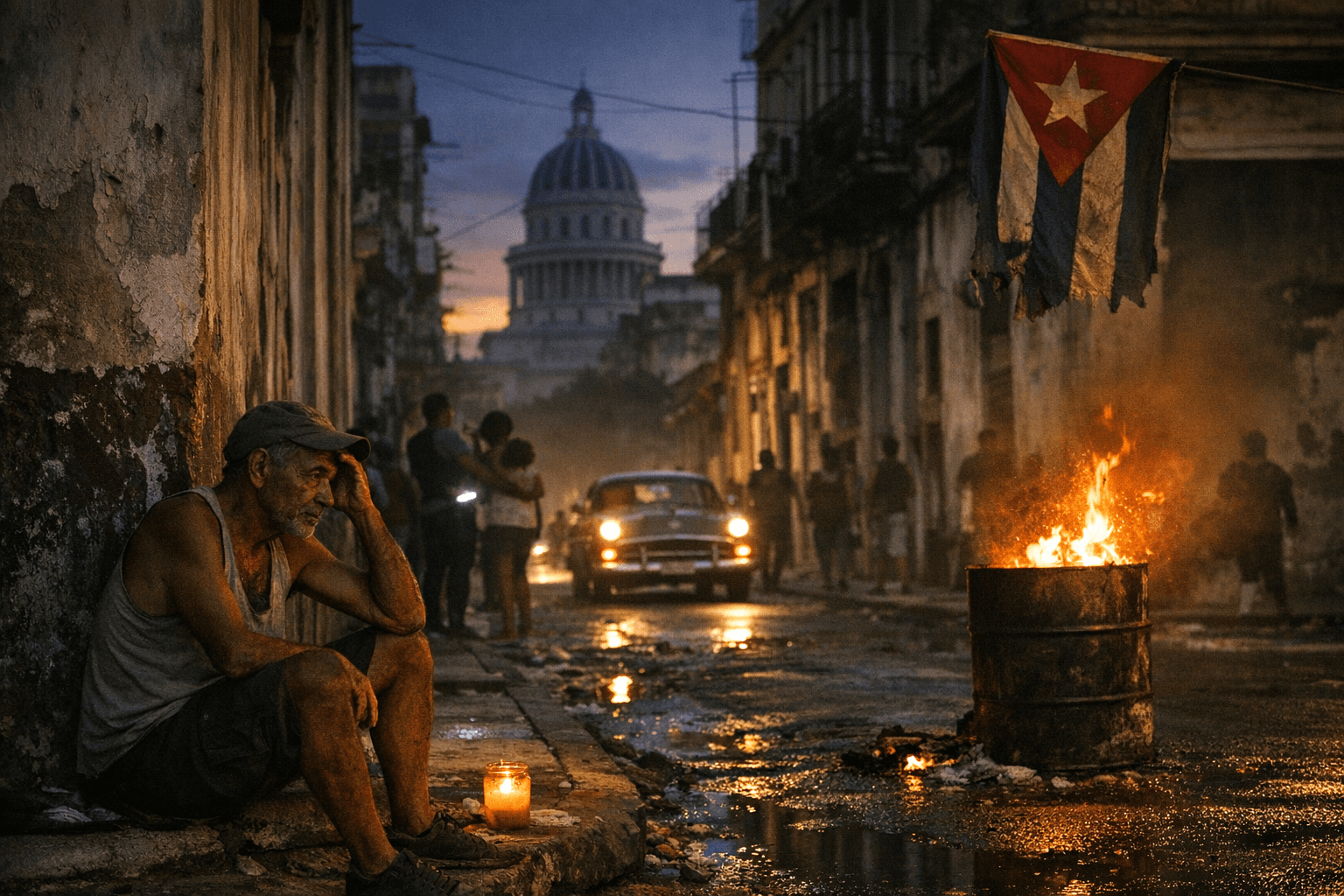
The substance on the ground has been far more concrete. Washington moved at the end of January to block oil supplies from entering Cuba, tightening pressure on an economy already struggling to keep the lights on. Two days after Trump’s March comments, Cuba suffered a nationwide blackout that lasted more than 29 hours, leaving the island’s roughly 10 million people in darkness before the grid was restored and its largest oil-fired power plant came back online.
The humanitarian fallout has not eased. On April 2, the United Nations said fuel shortages were limiting humanitarian operations across Cuba and that dozens of containers of aid were still sitting in storage because there was not enough transport capacity to move them. In late March, a Russian oil tanker carrying a reported 100,000 tons of crude arrived as part of a humanitarian shipment, a reminder that Havana’s energy survival has become a wider geopolitical problem, with Russia now openly saying it would help Cuba tackle energy issues linked to the U.S. embargo.
The political reaction in Washington showed how quickly the rhetoric raised constitutional alarms. Senate Democrats introduced legislation in March to block unauthorized military action without congressional approval after Trump’s Cuba remarks, and Cory Booker warned about the danger of unilateral action. That matters because any real escalation would have to show up in sanctions, military posture or formal congressional authorization. So far, the consequences have been economic and humanitarian, not military, and Trump’s Cuba talk looks closer to rhetoric riding on the Iran crisis than to a new policy already aimed at Havana.
This article was produced by Prism’s automated news system from verified source data, official records, and press releases, then run through automated quality and moderation checks before publishing. The system is built and supervised by the people who set the standards it runs under. Read our full AI policy.
Did this article answer your question?