Trump targets Cuba’s doctor exports, a key source of foreign currency
Washington has moved past visa threats and is now hitting foreign officials who pay Havana for doctors, a direct threat to one of Cuba’s last hard-currency lifelines.
The Trump administration has widened sanctions and visa pressure on Cuba’s overseas doctor program, moving against foreign officials who help pay Havana for medical staff. That is a direct threat to one of the island’s biggest remaining sources of hard currency, at a time when shortages and strained state finances are already squeezing Cuba’s economy.
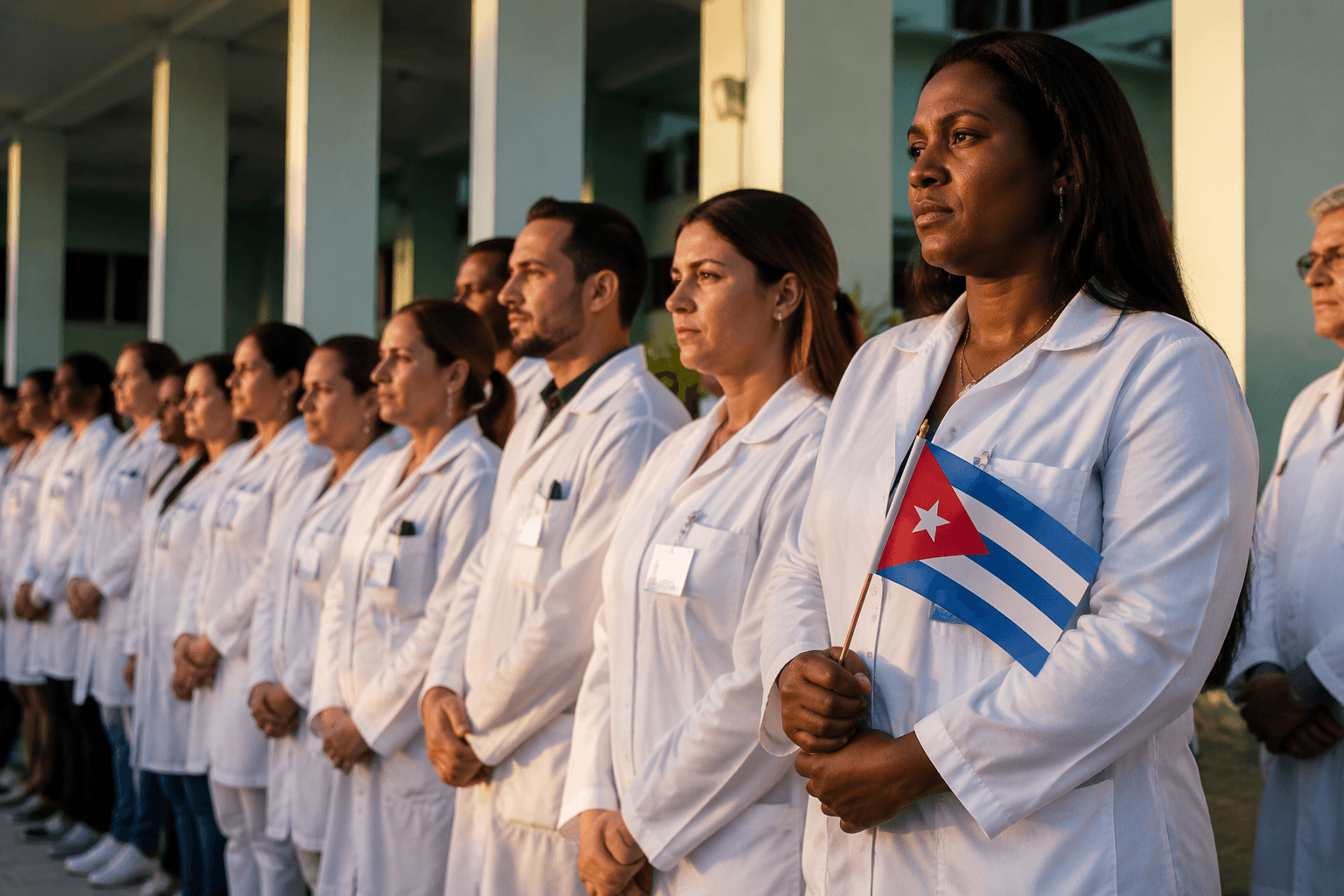
Cuba has sent doctors abroad since 1963, turning medical missions into both a revenue stream and a pillar of its international reach. A 2015 Reuters count put the program at more than 50,000 health workers in more than 60 countries, and later reporting said the missions brought in billions of dollars each year. The money matters at home because the state depends on it to prop up finances in a country facing rolling shortages and a weak domestic economy.
The missions also carry political weight. During the COVID-19 pandemic, Cuba’s Ministry of Public Health said it had dispatched 593 medical workers to 14 countries, adding to a long record of deployments that stretched from Haiti to emergency response in Europe and Latin America. Supporters in Cuba and abroad have long cast the program as solidarity work that fills shortages in poorer countries, while Washington and its allies have described it as coercive labor export and, in some cases, trafficking.
The pressure campaign became more explicit in 2025. On Feb. 25, the U.S. expanded visa restrictions on Cubans tied to the labor-export program. By March 12 and 13, Caribbean leaders were pushing back against trafficking accusations as Washington stepped up its attacks on Cuba’s doctor diplomacy. On April 14, the administration began pulling visas of foreign officials in countries that pay Cuba for doctors and nurses. In August, the U.S. sanctioned Brazilian health officials over the missions, saying they were involved in Cuba’s coercive labour export of medical workers.
That shift makes this more than a symbolic campaign line. Earlier U.S. pressure centered on accusations, travel limits and moral language; the newer measures go after the countries and officials that help sustain the revenue. For Havana, that raises the stakes well beyond diplomacy, because the program is not just a source of prestige. It is one of the few hard-currency lifelines still keeping the state machine running.
This article was produced by Prism’s automated news system from verified source data, official records, and press releases, then run through automated quality and moderation checks before publishing. The system is built and supervised by the people who set the standards it runs under. Read our full AI policy.
Did this article answer your question?