Trump widens sanctions, threatening Cuba’s remaining foreign lifelines
The White House’s new Cuba order reaches foreign banks and firms, putting fuel, imports and payments under sharper threat across the island.
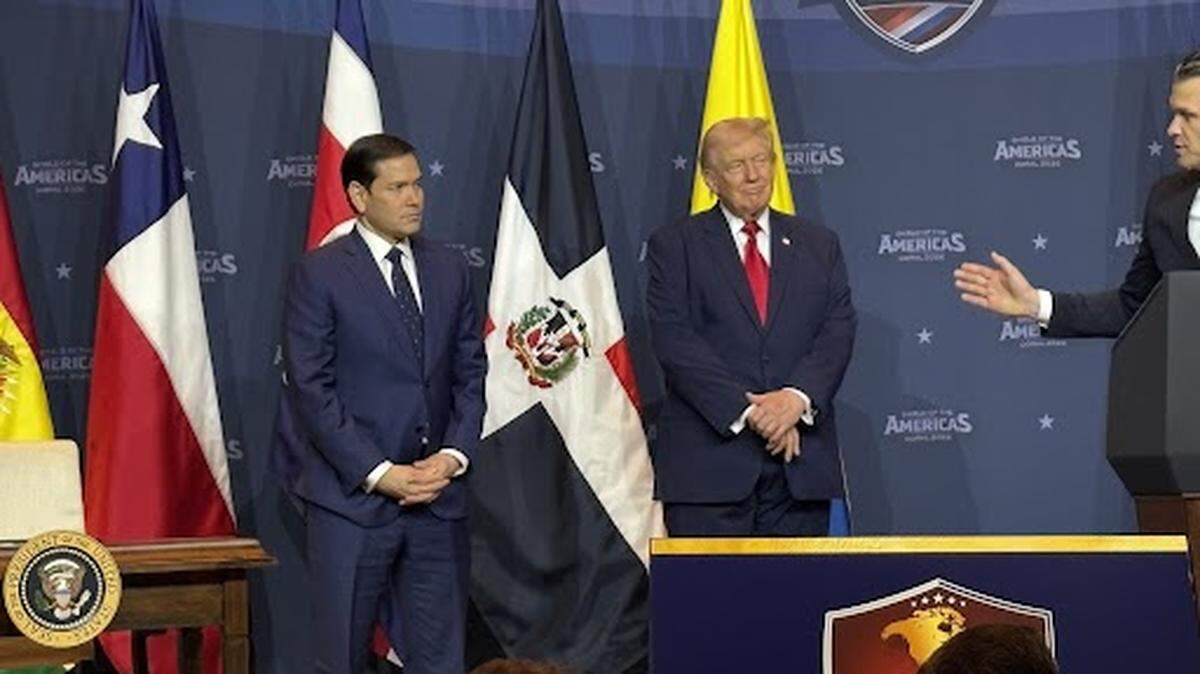
The White House’s new Cuba order reaches far past Havana, warning foreign companies and banks that doing business on the island could now bring U.S. penalties. Issued on May 1, 2026, the executive order targets Cuba’s energy, defense, metals and mining, financial services, and security sectors, turning the island’s outside links into liabilities for non-U.S. partners.
That is the key shift for Cuba’s daily life. The order does not just squeeze state institutions; it reaches into the third-country companies, lenders, and suppliers that help keep fuel moving, goods flowing, and payments clearing. It also authorizes sanctions on foreign financial institutions that conduct or facilitate transactions for sanctioned persons, which means banks that once tried to ring-fence their Cuba business may now see the whole relationship as too risky to keep.

The order says Cuba’s policies and actions remain an "unusual and extraordinary threat" to U.S. national security and foreign policy. It also blocks property tied to foreign persons operating in, or materially assisting, Cuba’s energy, defense, metals and mining, financial services, or security sectors. In practical terms, that raises the cost of shipping, lending, investment, and commercial partnerships at a moment when Cuba already depends on a shrinking set of outside channels.
The pressure lands on top of a sanctions structure that has been building for decades. The U.S. embargo dates to February 1962, when John F. Kennedy proclaimed it after the Cuban government’s actions at the time. More recently, Washington republished the Cuba Restricted List on February 11, 2025, after rescinding it on January 16, 2025. That list generally bars direct financial transactions with named Cuban entities and subentities, and export or re-export applications for them are generally denied.
Jeremy Paner, a former sanctions investigator at the Office of Foreign Assets Control, said the move was "the most significant for non-American companies since the embargo began." That is the real warning embedded in the order: not only that Cuba will be punished, but that outsiders may be punished for helping keep the island connected.
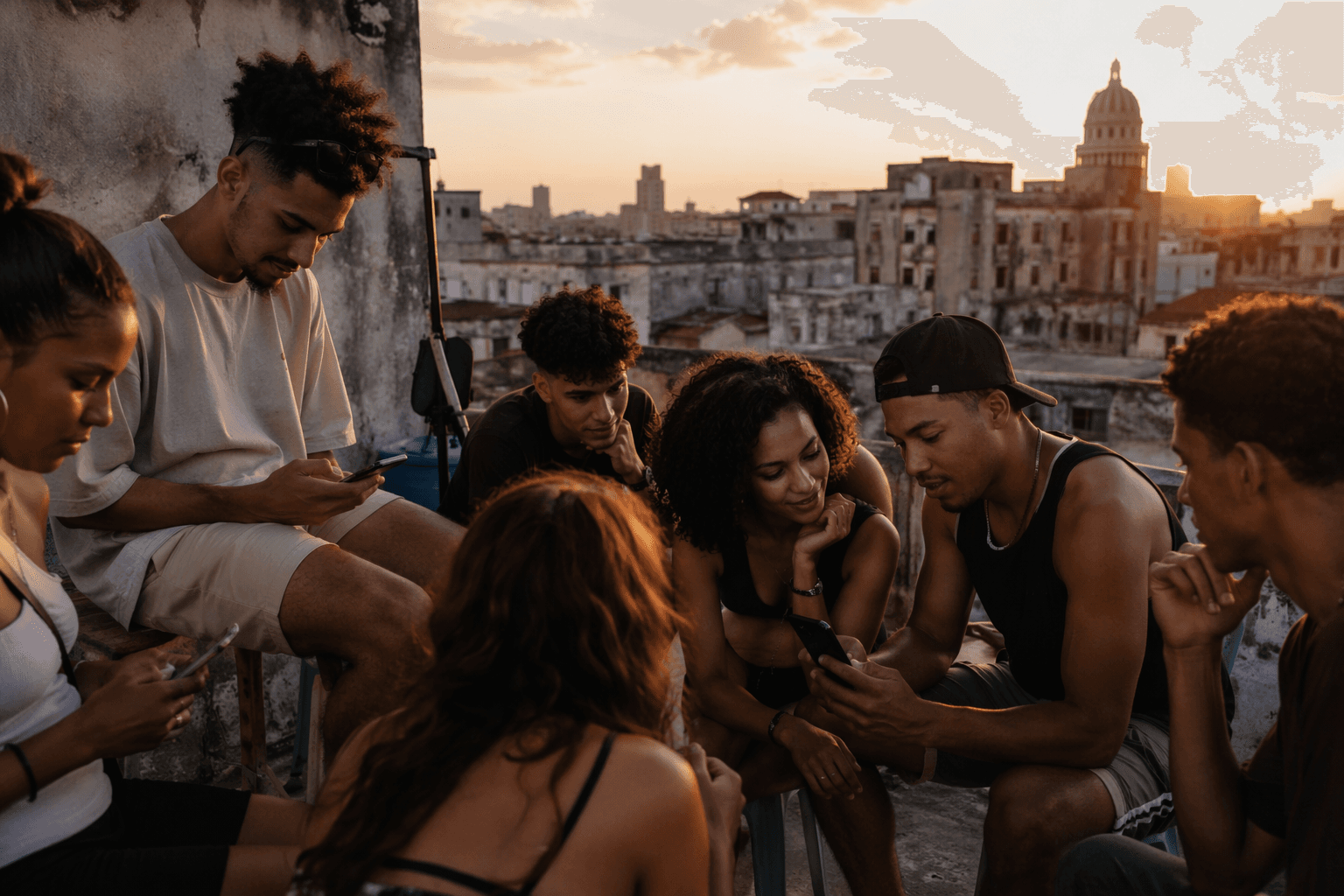
Miguel Diaz-Canel condemned the sanctions as reinforcement of the blockade, and Foreign Minister Bruno Rodriguez called them "collective punishment on the Cuban people." With Cuba’s 2024 population at 10,979,783, the cost of that pressure is measured not in diplomatic language but in the everyday fragility of imports, fuel supplies, financing, and the jobs that depend on them.
This article was produced by Prism’s automated news system from verified source data, official records, and press releases, then run through automated quality and moderation checks before publishing. The system is built and supervised by the people who set the standards it runs under. Read our full AI policy.
Did this article answer your question?