U.N. experts say U.S. fuel blockade is starving Cuba of energy
Blackouts up to 20 hours, 96,000 pending surgeries, and stalled buses show how Cuba’s fuel squeeze has turned into a daily humanitarian crisis.

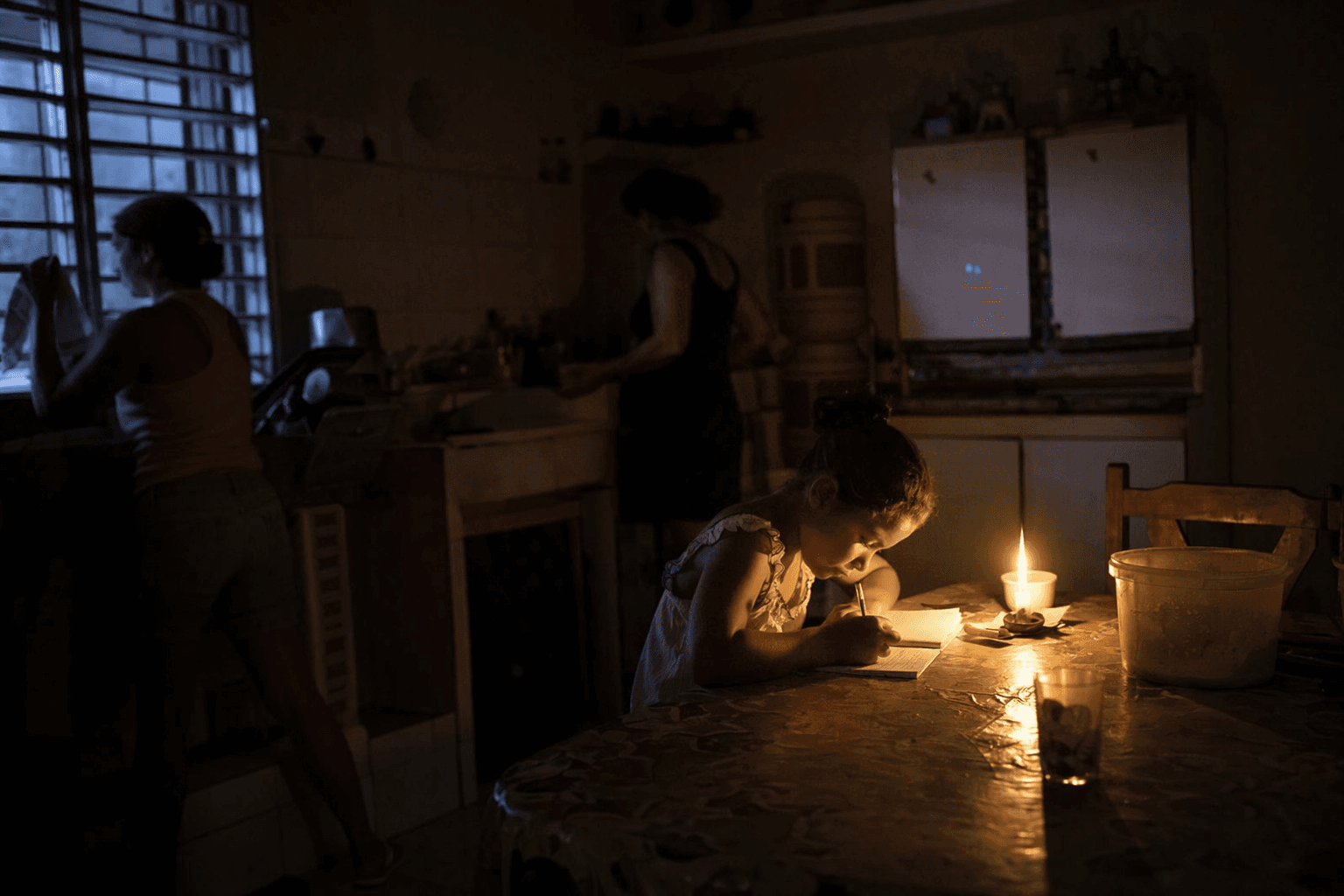
Blackouts that have lasted up to 20 hours in parts of Cuba have turned the U.N.’s latest warning into something visible on city blocks, in bus queues and in empty hospital corridors. On May 7, U.N. experts said the Trump administration’s fuel blockade amounted to energy starvation, arguing that Cuba’s power grid, water systems, hospitals, public transport and food production all depend on imported fuel and are now being pushed to the edge.
The U.N. Human Rights Office said the January 2026 executive order imposed an additional market-value-based duty on imports from any foreign country that directly or indirectly supplies oil to Cuba. The experts said that measure sharply worsened fuel shortages across the island and has made it harder for people to reach hospitals, for children to get to school, and for essential services to keep operating. They also said Cuba’s health system is carrying a backlog of more than 96,000 pending surgeries, including 11,000 for children, while delays in the national immunization program have affected thousands of infants.
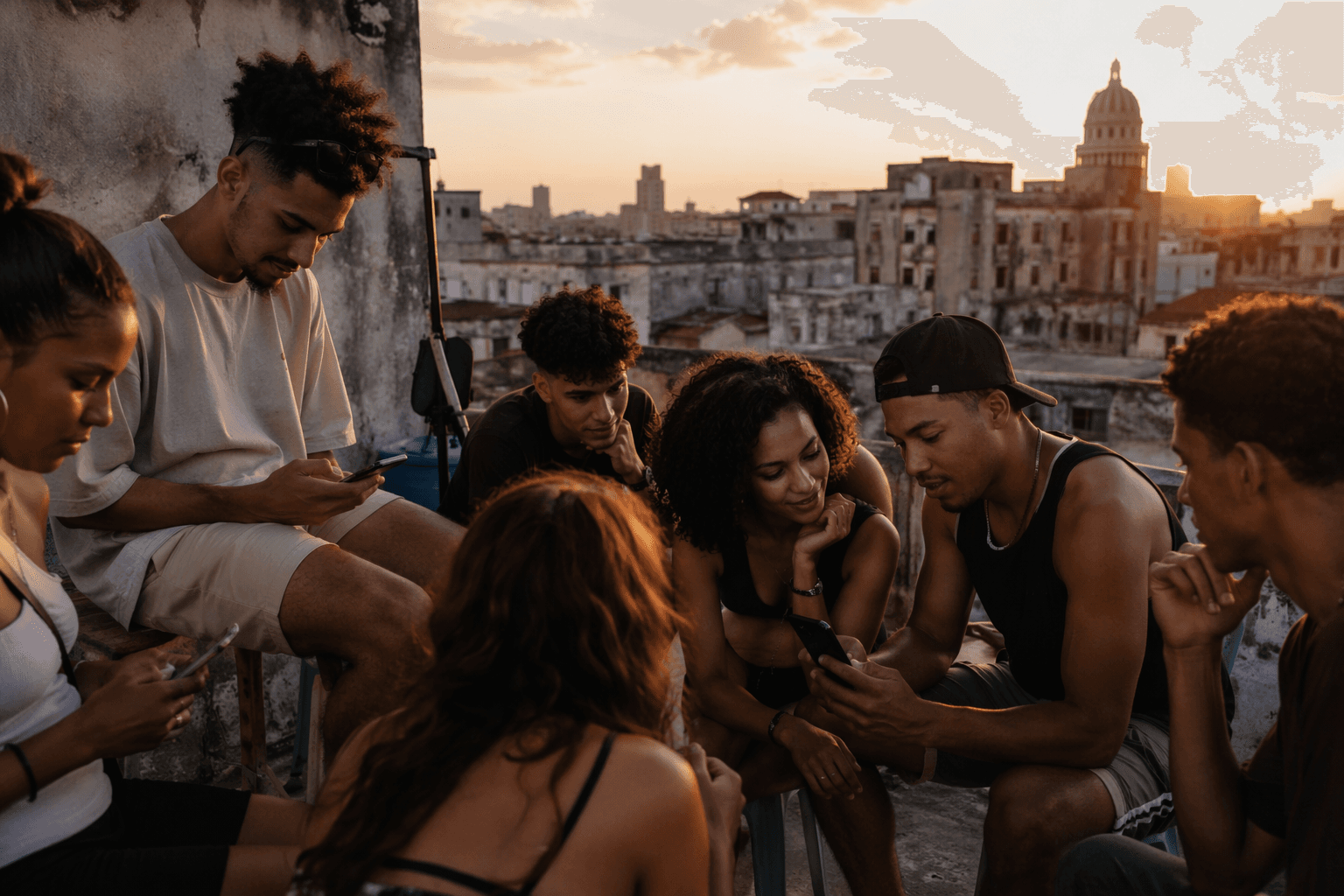
For everyday Cubans, the crisis shows up first in the dark. Neighborhoods in Havana have had longer nights and shorter routines, with transport slowed by fuel rationing and the capital’s nightlife thinning out when power cuts spread. Some homes and businesses have leaned on solar power and other makeshift fixes, but those workarounds are no substitute for a grid that still runs on imported fuel. The U.N. said the shortage has also hit water and sanitation, a reminder that a blackout in Cuba is never just about the lights going off.
The warning landed against a crisis that was already deepening. On April 6, the U.N. said Cuba faced a worsening humanitarian emergency fueled by prolonged energy shortages and the aftermath of Hurricane Melissa. Francisco Pichon said the country had gone three months without enough fuel to meet its needs, that the national electrical system disconnected three times in March, and that roughly one million people were relying on water trucking. The U.N. said nearly 300,000 elderly people living alone, more than 100,000 people with disabilities and 32,000 pregnant women were among the most vulnerable groups being prioritized.
The experts’ February 29 condemnation had already called the policy an extreme form of unilateral economic coercion with extraterritorial effects. They said Cuba’s isolation in the fuel market has become so severe that Russia has remained the only supplier sending fuel. In practice, that has meant darker streets, weaker hospitals and a daily grind in Havana and beyond that is increasingly shaped by whether fuel arrives at all.
This article was produced by Prism’s automated news system from verified source data, official records, and press releases, then run through automated quality and moderation checks before publishing. The system is built and supervised by the people who set the standards it runs under. Read our full AI policy.
Did this article answer your question?