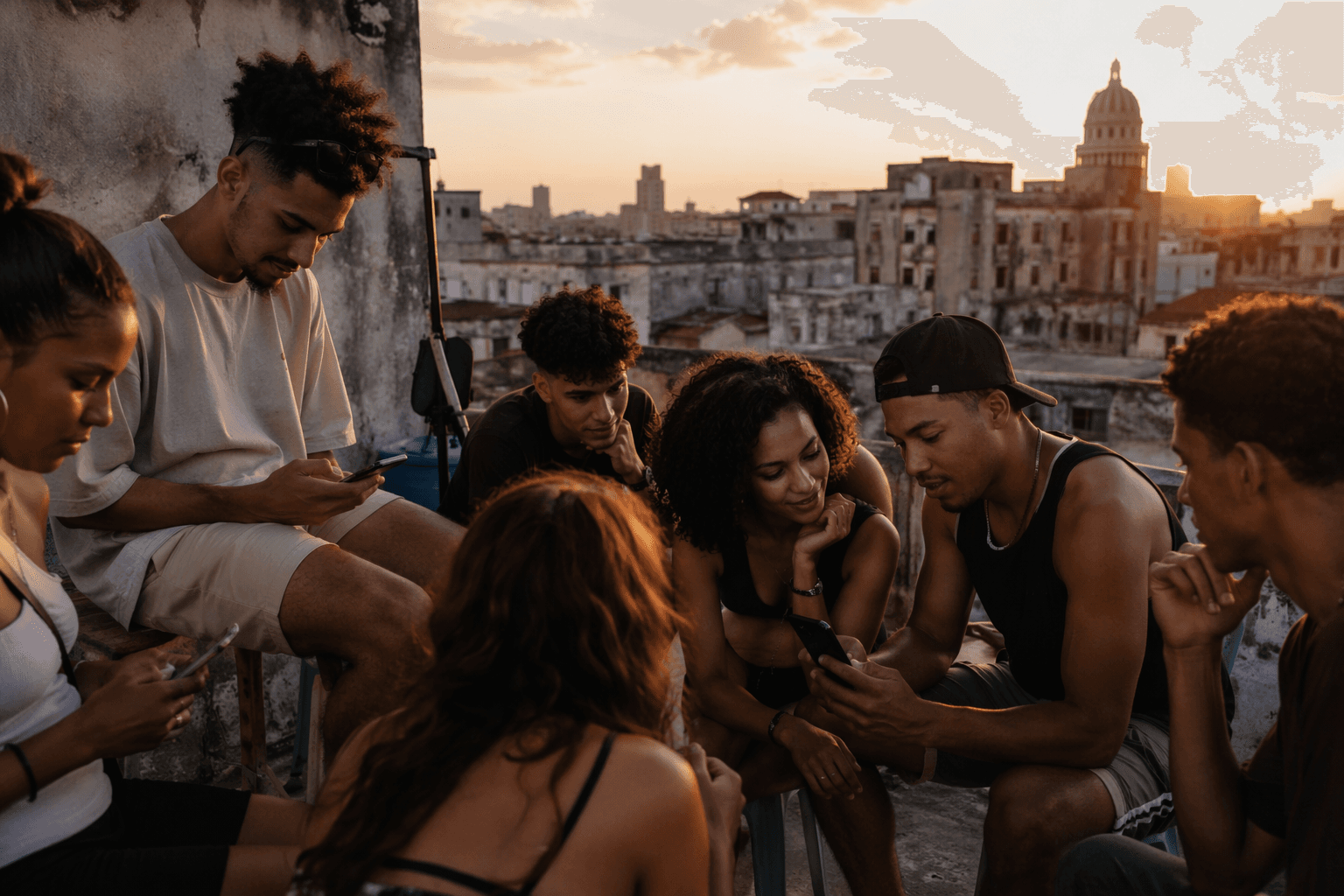
UN warns Cuba faces humanitarian collapse if US blocks oil supplies
UN warns Cuba faces humanitarian collapse if oil supplies stop, risking blackouts, food and transport shortages, and expanded rationing that affect daily life across the island.

The United Nations has warned that Cuba could face a humanitarian collapse if its oil needs go unmet, a risk the UN says is rising after moves by the United States to block or penalize suppliers. UN Spokesperson Stéphane Dujarric said, “The secretary-general is extremely concerned about the humanitarian situation in Cuba, which will worsen, if not collapse, if its oil needs go unmet.”
The warning follows a campaign of U.S. measures and threats including a national emergency declaration and threats of tariffs on countries that supply oil to Cuba. President Donald Trump has threatened to “impose additional tariffs on any country that ‘directly or indirectly sells or otherwise provides any oil to Cuba,’” and has said publicly, “I think we’re going to make a deal with Cuba.” Those U.S. actions coincide with a sharp drop in shipments to the island and, according to industry tracking data, a critically low stock level that could last only 15 to 20 days at current demand.
Cuba’s estimated oil demand is about 100,000 barrels per day. Financial and shipping analyses show shifting supplier patterns: one analysis puts Mexico at roughly 44 percent of recent imports, Venezuela at about 33 percent until last month, Russia at about 10 percent and Algeria supplying a smaller share. Other reporting gives a different recent picture, saying Mexico supplied between 6,000 and 12,000 bpd in 2025 while Venezuela historically provided between a quarter and a third of needs. Regardless of the exact breakdown, analysts and Cuban officials say shipments have been severely disrupted since December and that planned deliveries were halted or diverted.
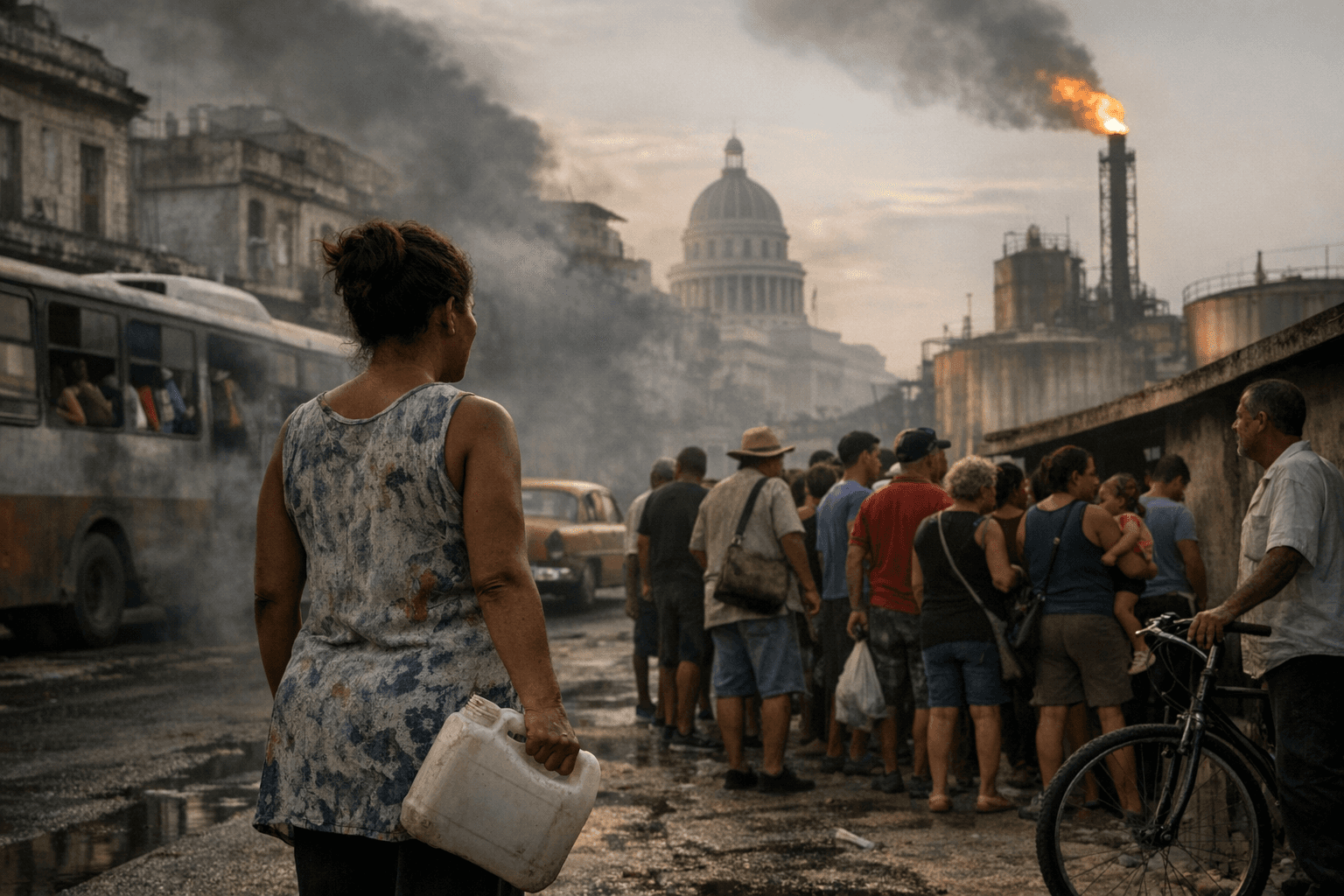
On the ground Cubans are already feeling the impact. Hours-long blackouts have hit Havana and other cities, food and transport prices have surged, and authorities have introduced fuel rationing and operational cuts. Measures reported include restrictions on fuel sales, closure of some tourism sites, shortened school days and a reduced four-day workweek for state-owned companies. International carriers were advised not to land for refueling, and long queues at pumps have been documented. One resident quoted in analysis warned, “There are rumors that the oil will run out in February. It’s February now.” A Deutsche Welle analyst put the situation bluntly: “even if Cuba is able to buy oil, it wouldn't arrive” and “it's likely that Cuba won't be getting any oil into the country for the foreseeable future. And that's brutal.”
Cuban President Miguel Díaz-Canel described the moves as “fascist, criminal and genocidal,” said Cuba was “close to failing” and expressed willingness to engage Washington “without pressure or preconditions.” Cuba’s Deputy Foreign Minister Carlos Fernandez de Cossio said Havana and Washington are “in communication” but not in a formal “dialogue.” The U.S. has announced an additional $6 million in humanitarian food assistance for rice, beans and pasta while warning against diversion of aid. The U.S. embassy in Havana advised Americans to prepare for “significant disruption” from power outages and fuel shortages.
For residents and community organizations the immediate implications are practical: expect intermittent electricity, tighter fuel rations, higher transport and food costs, and disruptions to services and tourism-related income. Local planning should focus on essentials - food, water and medicines - and follow official announcements from Cuban authorities and international agencies. At the diplomatic level, markets to replace lost suppliers and legal limits on third-party shipments will determine if the crisis eases or deepens; global shipping and sanction enforcement remain the deciding factors in the coming weeks.
This article was produced by Prism’s automated news system from verified source data, official records, and press releases, then run through automated quality and moderation checks before publishing. The system is built and supervised by the people who set the standards it runs under. Read our full AI policy.
Did this article answer your question?