U.S. Adds Cuba to Visa Bond Pilot with Fees $5,000 to $15,000
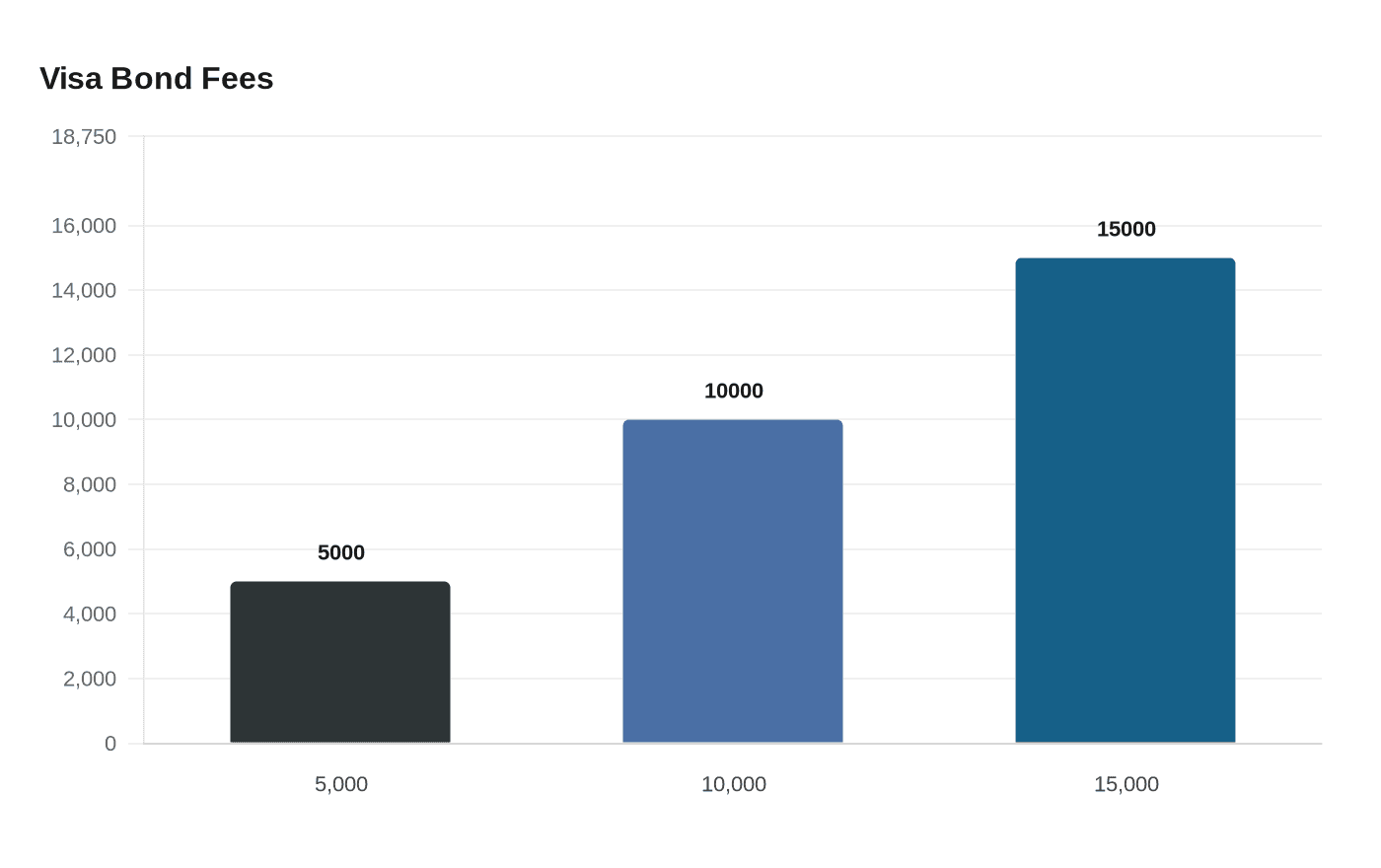
The U.S. State Department added Cuba to a B-1/B-2 visa bond pilot requiring refundable bonds of $5,000, $10,000, or $15,000; the move affects Cuban travelers' costs and planning.

The U.S. State Department expanded its B-1/B-2 visa bond pilot to include Cuba, meaning consular officers may now require some Cuban applicants to post a refundable bond of $5,000, $10,000, or $15,000. The bond amount will be set during the visa interview, applicants must submit DHS Form I-352, and payments must be made through official channels such as Pay.gov.
The change went into effect on January 21, 2026 and applies to eligible applicants from the newly included countries. Bonds are refundable if the visa holder complies with the terms of the visit, such as departing the United States on time. The State Department posted a notice and maintains an official list of affected countries and implementation dates.
For families in Cuba and the Cuban diaspora who travel for business, medical care, or to visit relatives, the immediate impact is financial and logistical. A required bond of up to $15,000 can alter travel budgets and force applicants to delay or change plans while they arrange payment. Travelers who typically rely on last-minute bookings or informal transfers for funds will need to use formal payment channels and plan for potential hold times on refunds after a successful trip.
Consular interviews will become a more central checkpoint. Cuban applicants should arrive at interviews prepared to provide the DHS Form I-352 and to complete payment through Pay.gov if a bond is imposed. Keep documentary evidence of travel purpose, residency ties, and clear return plans ready to present at the interview; these steps can help make the case for timely departure and eventual refund of the bond.
Practical community steps include reviewing travel timelines, reallocating savings to cover a potential bond, and confirming whether your particular consulate or visa center has additional instructions. If you have an urgent trip planned for health care or family reasons, start the visa process earlier to absorb any extra administrative steps. If you are unsure how the bond rule applies to your situation, consider consulting an immigration attorney or accredited advisor.
This policy could change travel rhythms between Cuba and the United States, increasing the upfront cost and administrative burden for many visitors. Expect a period of adjustment as consular officers implement the new requirement; follow consulate guidance, prepare DHS Form I-352 ahead of your interview, and arrange payment through Pay.gov so you can focus on travel logistics rather than last-minute surprises.
Know something we missed? Have a correction or additional information?
Submit a Tip