US Ambassador Accuses Cuba of Selling Humanitarian Aid in Forex Stores
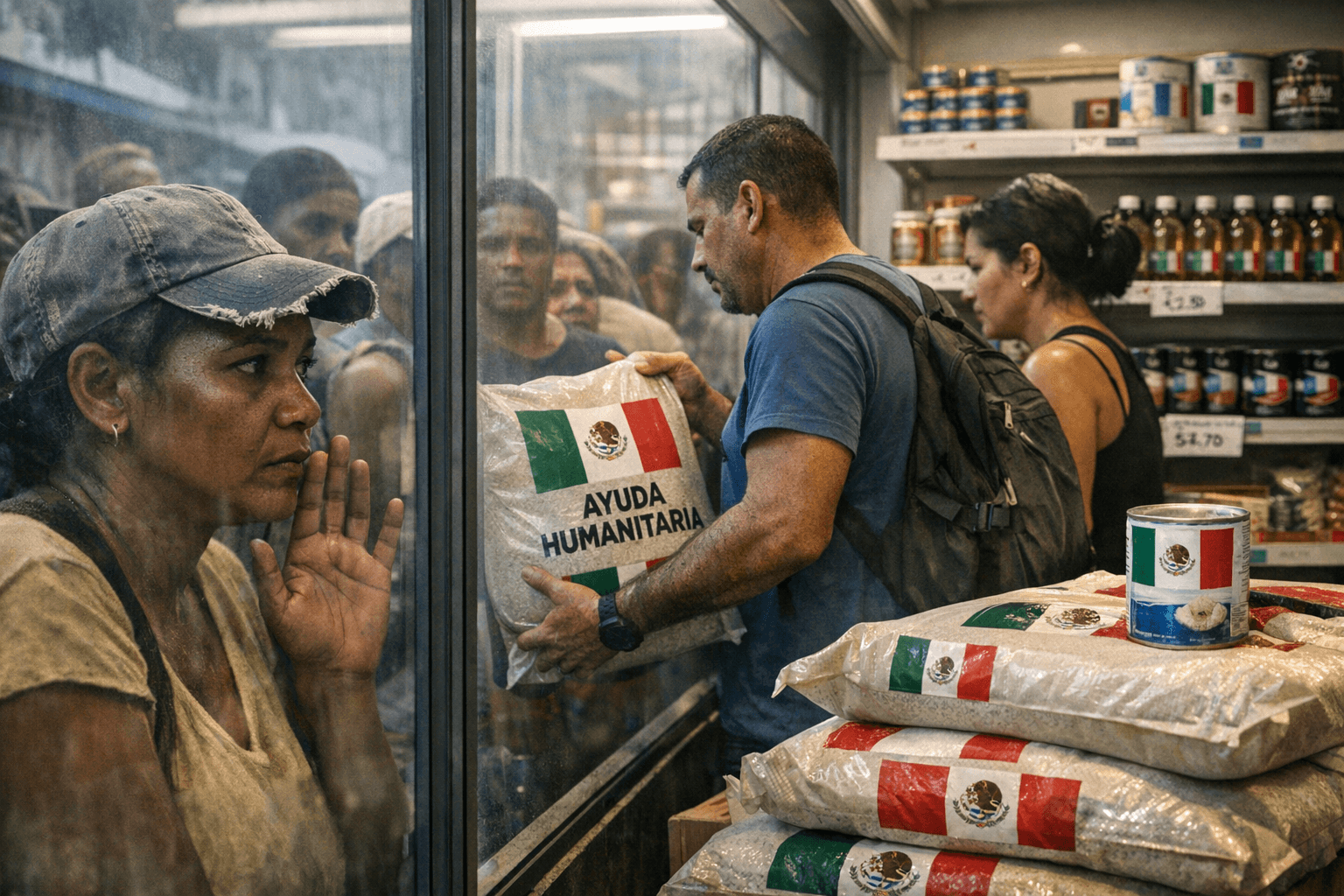
US Ambassador Ronald Johnson accused Cuba of selling Mexican humanitarian aid in MLC forex stores instead of delivering it to Cubans suffering through blackouts and shortages.

US Ambassador Ronald Johnson has accused the Cuban government of diverting humanitarian aid into hard-currency MLC stores rather than distributing it to Cubans enduring rolling blackouts and widespread shortages, escalating a transnational dispute that now pits American and Cuban diplomats against a Mexican television network's on-the-ground investigation.
Johnson urged that any humanitarian assistance reach the Cuban people directly, bypassing the regime entirely. His statements added official American weight to allegations first aired by TV Azteca journalist Rodrigo Lema, whose investigation claimed that donated food items, including the so-called "frijol del bienestar," were being sold in Cuban state-run establishments linked to military and state-controlled sectors. Those stores operate in foreign currency, placing their inventory out of reach for the vast majority of Cubans.
Cuba's ambassador to Mexico, Eugenio Martínez Enríquez, pushed back hard. In an extensive Facebook post published on Thursday, March 5, he defended the Cuban government's handling of the aid and flatly denied that donated goods were being resold. "The generous aid to the Cuban people offered by the government of Mexico and thousands of Mexicans is being attempted to be tarnished by TV Azteca," he wrote. "Without providing evidence, because none exists, the outlet accuses the Cuban authorities of selling the aid sent."
Martínez Enríquez saved particular sharpness for the channel's ownership, writing: "We invite the owners of TV Azteca to focus on fixing their finances and paying off the enormous debts owed to their creditors. With their usual lies, they will not achieve their goals. They are doing poorly."
The ambassador also offered a structural explanation for why Mexican-branded products appear in Cuban stores at all. Citing trade data, he said: "In 2025, Mexico exported food industry products to Cuba for several tens of millions of dollars. Those products, of course, are sold in stores." His argument: what Lema's report captured on camera may have been commercially imported goods sold through normal contracts between Cuban and Mexican companies, not diverted humanitarian shipments.
Martínez Enríquez further attributed the island's underlying crisis to US sanctions, which he said have severely restricted Cuba's access to fuel and undermined production and basic services. In recent years Mexico has dispatched several humanitarian shipments to Cuba to address shortages of food, fuel and medicine during what has become a prolonged economic collapse.
The dispute lands against a charged domestic backdrop. Donations distributed in the community of Minas de Matahambre drew their own criticism, with residents reportedly saying "the entire community is vulnerable and needs food." Mexican President Claudia Sheinbaum has signaled that Mexico will continue sending humanitarian assistance to Cuba regardless of the controversy.
The central evidentiary question remains unresolved: whether specific donated shipments can be traced through a chain of custody to MLC store shelves, or whether the goods TV Azteca documented were legitimate commercial imports. Until distribution manifests, import records, and Lema's underlying footage are placed side by side, both accounts remain contested.
This article was produced by Prism’s automated news system from verified source data, official records, and press releases, then run through automated quality and moderation checks before publishing. The system is built and supervised by the people who set the standards it runs under. Read our full AI policy.
Did this article answer your question?